How to Treat Hot Spots on Dogs at Home Naturally
Hot spots on dogs—also known as acute moist dermatitis—are painful, red, inflamed patches of skin that can develop rapidly and worsen without proper care. If you’ve noticed your dog constantly licking, chewing, or scratching a raw, oozing area on their skin, they likely have a hot spot. The good news? You can treat hot spots on dogs at home naturally with safe, effective remedies that soothe irritation, reduce inflammation, and promote healing—without harsh chemicals or antibiotics (unless prescribed by a vet).
This guide walks you through step-by-step natural treatments, preventative strategies, and expert-backed home care tips to help your dog recover quickly and comfortably. We’ll cover everything from identifying the root cause to using soothing natural ingredients like aloe vera, coconut oil, and apple cider vinegar. Whether your pup has a small hotspot behind the ear or a larger lesion on their leg, these natural solutions can bring relief fast.
What Are Hot Spots on Dogs?
Hot spots are localized areas of skin inflammation and infection that often start small but can spread quickly due to your dog’s constant licking, biting, or scratching. These lesions are typically warm to the touch, moist, and may have matted fur or discharge. They commonly appear on the head, hips, or legs but can occur anywhere on the body.
Hot spots develop when something irritates the skin—like an insect bite, allergy, ear infection, or even stress—triggering an obsessive grooming response. The moisture from saliva, combined with bacteria on the skin, creates a perfect environment for infection. Left untreated, hot spots can become deep, painful sores that take weeks to heal.
While hot spots are not contagious to other pets or humans, they are extremely uncomfortable for your dog. Early intervention is key. Natural home treatments can be highly effective in the early stages, especially when combined with identifying and addressing the underlying cause.
Common Causes of Hot Spots in Dogs
Understanding what triggers hot spots helps prevent future outbreaks. While any dog can get a hot spot, certain factors increase the risk:
- Allergies: Environmental allergens (pollen, dust mites) or food sensitivities can cause itching that leads to hot spots.
- Fleas and Parasites: Even a single flea bite can trigger intense itching in sensitive dogs.
- Ear Infections: Dogs with ear infections often scratch their ears and heads, creating hot spots.
- Matted Fur: Damp, tangled fur traps moisture and bacteria against the skin.
- Moisture Trapped on Skin: Dogs that swim frequently or aren’t dried properly after baths are more prone.
- Anxiety or Boredom: Compulsive licking due to stress can start a hot spot cycle.
- Underlying Skin Conditions: Conditions like seborrhea or fungal infections increase susceptibility.
Identifying the root cause is essential. For example, if your dog has recurring hot spots on their ears, an ear infection or allergy might be the culprit. Treating only the surface without addressing the trigger often leads to recurrence.
Signs and Symptoms of Hot Spots
Hot spots can appear suddenly and worsen within hours. Watch for these telltale signs:
- Red, inflamed, and swollen skin
- Moist or oozing lesions (often with a foul odor)
- Hair loss in the affected area
- Excessive licking, chewing, or scratching
- Signs of pain or discomfort when touched
- Restlessness or irritability
If your dog is limping, shaking their head, or showing signs of fever (lethargy, loss of appetite), the infection may have spread. In such cases, consult your veterinarian immediately. However, for mild to moderate hot spots, natural home care can be remarkably effective.
How to Treat Hot Spots on Dogs at Home Naturally
Natural treatment focuses on cleaning the area, reducing inflammation, preventing infection, and stopping the itch-scratch cycle. Always start by calming your dog—use a gentle voice and consider a calming aid if they’re anxious. Have supplies ready: gloves, clean towels, and your chosen natural remedies.
Step 1: Groom the Affected Area
Use blunt-tipped scissors or clippers to carefully trim the fur around the hot spot. Do not cut too close to the skin. Removing excess fur allows air circulation, reduces moisture buildup, and makes cleaning easier. Avoid shaving directly over the lesion, as this can irritate the skin further.
After trimming, gently clean the area with lukewarm water and a mild, fragrance-free soap. Pat dry with a clean towel—do not rub. Keeping the area dry is crucial for healing.
Step 2: Cleanse with Natural Antiseptics
Natural antiseptics help kill bacteria and reduce the risk of infection without harsh chemicals. Two of the most effective options are:
- Diluted Apple Cider Vinegar (ACV): Mix 1 part raw, unfiltered ACV with 1 part water. Apply with a cotton ball to the hot spot 2–3 times daily. ACV has antibacterial and antifungal properties. Avoid using on open, bleeding wounds, as it may sting.
- Green Tea Rinse: Brew a strong cup of green tea, let it cool completely, and apply to the area with a spray bottle or cotton pad. Green tea contains tannins and antioxidants that reduce inflammation and soothe irritated skin.
Both remedies are safe for dogs and can be used daily until the hot spot begins to heal. Always monitor for any signs of irritation or worsening.
Step 3: Apply Soothing Natural Topicals
After cleansing, apply a natural healing agent to promote skin repair and reduce itching:
- Aloe Vera Gel: Use pure, organic aloe vera gel (not the kind with alcohol or added fragrances). Apply a thin layer to the hot spot 2–3 times daily. Aloe has cooling, anti-inflammatory, and wound-healing properties. Ensure your dog doesn’t ingest large amounts, as it can cause mild stomach upset.
- Coconut Oil: Virgin coconut oil has antimicrobial and moisturizing benefits. Warm a small amount between your fingers and gently massage it into the surrounding skin (avoid open sores). It helps prevent bacterial growth and supports skin barrier repair.
- Calendula Salve: Made from marigold flowers, calendula is known for its healing and anti-inflammatory effects. Use a pet-safe calendula ointment or make your own by infusing coconut oil with dried calendula petals.
Rotate or combine these remedies based on your dog’s response. Some dogs prefer the cooling effect of aloe, while others benefit more from the protective barrier of coconut oil.
Step 4: Prevent Licking and Scratching
The biggest challenge in healing hot spots is stopping your dog from licking or chewing the area. Continued irritation delays recovery and increases infection risk. Natural deterrents can help:
- Bitter Apple Spray: A pet-safe, bitter-tasting spray that discourages licking. Apply around (not directly on) the hot spot.
- Elizabethan Collar (Cone): While not “natural,” it’s often necessary. Choose a soft, inflatable collar for comfort.
- T-Shirt or Bandage: For less severe cases, cover the area with a breathable fabric or vet-wrap bandage. Change it daily to keep the area clean.
Distraction also helps. Engage your dog with interactive toys, short training sessions, or calming activities like gentle walks. Reducing boredom and anxiety can break the licking cycle.
Step 5: Support Healing from the Inside
Natural healing isn’t just topical—internal support matters too. Boost your dog’s immune system and skin health with these dietary additions:
- Omega-3 Fatty Acids: Found in fish oil or flaxseed oil, omega-3s reduce inflammation and improve skin condition. Add a vet-recommended dose to your dog’s food daily.
- Probiotics: A healthy gut supports immune function. Use a high-quality canine probiotic supplement or plain, unsweetened yogurt (if your dog tolerates dairy).
- Vitamin E: Apply a small amount of natural vitamin E oil topically or give orally (in capsule form, punctured and squeezed into food) to support skin repair.
Ensure your dog stays hydrated and eats a balanced, high-quality diet. Poor nutrition can slow healing and weaken the skin’s natural defenses.
Natural Remedies to Avoid
Not all home remedies are safe for dogs. Avoid these common but risky treatments:
- Hydrogen Peroxide: Can damage healthy tissue and delay healing.
- Rubbing Alcohol: Too harsh and drying; can cause pain and irritation.
- Human Medications: Never use Neosporin, hydrocortisone creams, or pain relievers meant for humans unless directed by a vet. Some ingredients (like lidocaine) are toxic to dogs.
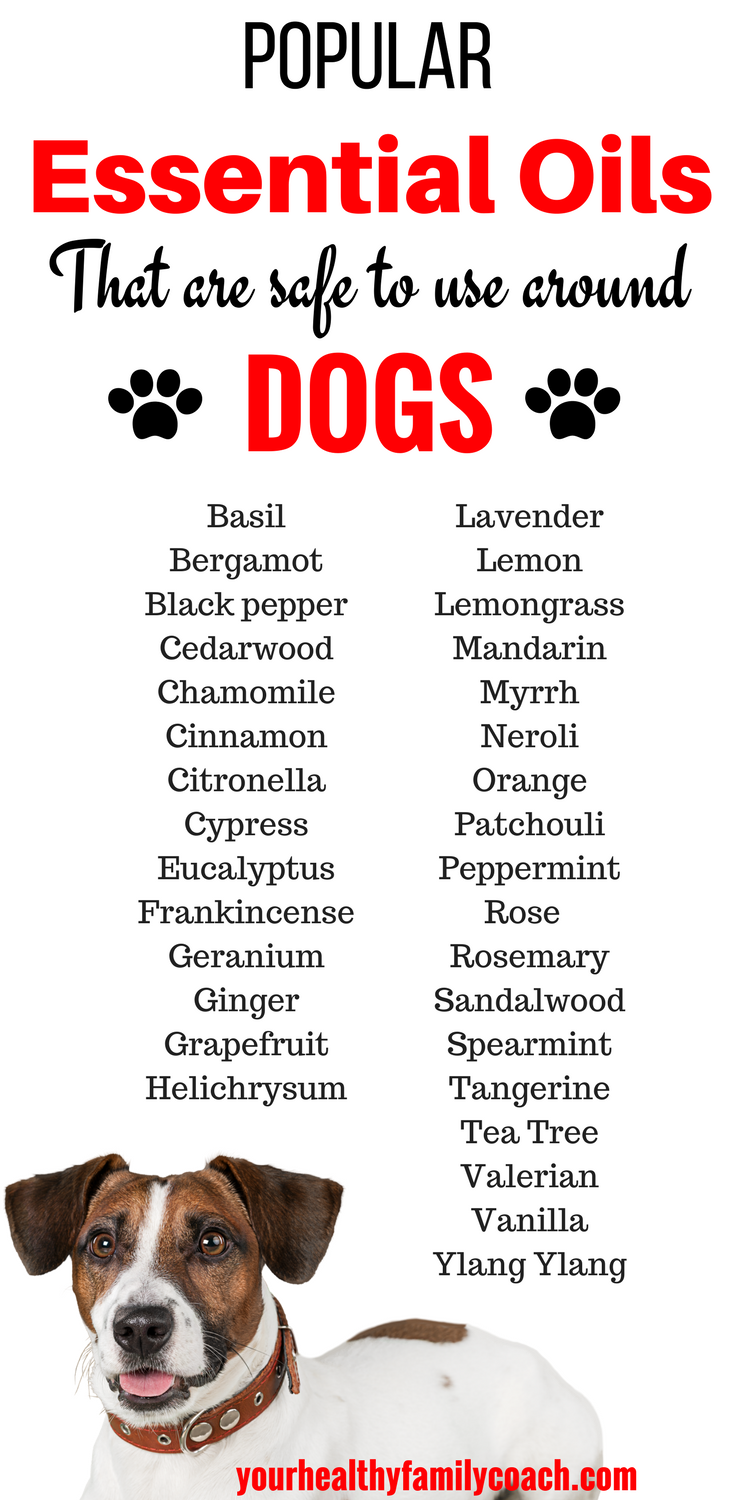
- Essential Oils (Undiluted): Many essential oils (e.g., tea tree, eucalyptus) are toxic to dogs, even in small amounts. If using, only use pet-safe, highly diluted forms under veterinary guidance.
When in doubt, consult your veterinarian before trying a new remedy. Natural doesn’t always mean safe—especially for sensitive animals.
When to See a Veterinarian
While natural treatments work well for mild hot spots, some cases require professional care. Seek veterinary attention if:
- The hot spot is larger than 2 inches in diameter
- There is pus, severe swelling, or a foul odor
- Your dog is lethargic, feverish, or not eating
- The lesion doesn’t improve within 2–3 days of home treatment
- Hot spots keep recurring in the same or different areas
Vets may prescribe antibiotics, anti-inflammatory medications, or steroid injections for severe infections. They can also perform allergy testing or skin scrapings to identify underlying causes. Early vet intervention prevents complications like cellulitis or deep skin infections.
Preventing Hot Spots Naturally
Prevention is always better than treatment. Keep your dog’s skin healthy and minimize triggers with these natural strategies:
- Regular Grooming: Brush your dog weekly to prevent matting and remove loose fur. Bathe only as needed with a gentle, pH-balanced shampoo.
- Thorough Drying: After baths or swimming, dry your dog completely, especially in skin folds and between toes.
- Flea Prevention: Use natural flea deterrents like diatomaceous earth (food-grade) or herbal sprays. Avoid chemical-heavy treatments unless necessary.
- Allergy Management: Identify and reduce exposure to allergens. Consider an elimination diet for food allergies or air purifiers for environmental triggers.
- Stress Reduction: Provide mental stimulation, regular exercise, and a calm environment. Anxious dogs are more prone to compulsive behaviors.
- Healthy Diet: Feed a nutrient-rich diet with high-quality protein, healthy fats, and minimal fillers. Avoid artificial additives that may trigger sensitivities.
Consistency is key. A proactive approach keeps your dog’s skin resilient and reduces the likelihood of future hot spots.
Key Takeaways
- Hot spots are painful, fast-spreading skin lesions caused by irritation, moisture, and bacterial growth.
- Natural treatments like aloe vera, coconut oil, apple cider vinegar, and green tea can effectively cleanse, soothe, and heal mild hot spots at home.
- Always trim fur around the area, keep it dry, and prevent licking with deterrents or protective gear.
- Support healing internally with omega-3s, probiotics, and a balanced diet.
- See a vet if the hot spot is large, infected, or not improving within a few days.
- Prevent recurrence through regular grooming, flea control, allergy management, and stress reduction.
FAQ
Can I use human aloe vera gel on my dog’s hot spot?
Only if it’s 100% pure aloe vera with no alcohol, fragrances, or added ingredients like lidocaine. Many human products contain additives that are toxic to dogs. Always choose organic, pet-safe aloe vera gel or use fresh gel directly from an aloe plant (after washing thoroughly).
How long does it take for a hot spot to heal naturally?
With consistent natural treatment, most mild hot spots begin to improve within 2–3 days and heal completely in 1–2 weeks. Keep the area clean, dry, and protected from licking. If there’s no improvement after 3 days, consult your vet.
Are hot spots contagious to other pets?
No, hot spots themselves are not contagious. However, the underlying cause—like fleas, mites, or fungal infections—can be. If one pet has a hot spot due to parasites, check all pets in the household and treat accordingly to prevent spread.
Conclusion
Treating hot spots on dogs at home naturally is not only possible—it’s often the gentlest and most effective approach for mild to moderate cases. By combining proper cleaning, soothing natural topicals, and internal support, you can help your dog heal quickly and comfortably. Remember, the key to success is consistency, prevention, and knowing when to seek professional help.
Your dog’s skin is their largest organ and their first line of defense. With the right care, you can keep it healthy, resilient, and free from painful hot spots. Start with the natural remedies outlined here, stay observant of your dog’s behavior, and always prioritize their comfort and well-being.