How to Treat Dog Anxiety Naturally Without Medication
If your dog trembles during thunderstorms, hides when guests arrive, or destroys furniture when left alone, you’re not alone. Millions of pet owners struggle with dog anxiety—and many are searching for safe, effective ways to treat it without relying on prescription drugs. The good news? There are proven, natural methods to calm your anxious dog and improve their quality of life—without medication.
Treating dog anxiety naturally focuses on addressing the root causes of stress through behavioral changes, environmental adjustments, and holistic remedies. From calming routines to natural supplements and sensory therapies, these strategies empower you to support your dog’s emotional well-being in a gentle, sustainable way. This guide will walk you through practical, science-backed techniques to help your dog feel safe, relaxed, and confident—starting today.
Understanding Dog Anxiety: Signs and Causes
Before diving into solutions, it’s essential to recognize the signs of anxiety in dogs. Unlike humans, dogs can’t tell us when they’re stressed—but their behavior speaks volumes. Common symptoms include excessive barking, panting, pacing, destructive chewing, trembling, hiding, loss of appetite, and inappropriate elimination.
Anxiety in dogs often stems from specific triggers. Separation anxiety is one of the most common forms, where dogs become distressed when left alone. Noise phobias—like fear of fireworks, thunderstorms, or loud appliances—are also widespread. Other causes include past trauma, lack of socialization, changes in routine, or even genetics. Some breeds, such as German Shepherds, Border Collies, and Cavalier King Charles Spaniels, are more predisposed to anxiety due to their sensitive temperaments.
Understanding your dog’s unique triggers is the first step toward helping them. Keep a journal of when anxiety occurs, what precedes it, and how your dog reacts. This insight will guide your natural treatment plan and help you respond more effectively.
Creating a Calm Environment at Home
A dog’s environment plays a huge role in their emotional state. A chaotic, unpredictable home can heighten anxiety, while a structured, peaceful space promotes calm. Start by designating a safe zone—a quiet room or corner with your dog’s bed, toys, and familiar scents. This becomes their retreat during stressful times.
Use soft lighting and calming music or white noise to reduce sensory overload. Studies show that classical music or specially designed dog relaxation tracks can lower heart rates and reduce stress behaviors. Avoid loud noises and sudden movements around an anxious dog.
Maintain a consistent daily routine. Dogs thrive on predictability. Feed, walk, and play at the same times each day to create a sense of security. Even small changes—like a new piece of furniture or a different walking route—can unsettle an anxious dog, so introduce changes gradually.
Natural Remedies and Supplements for Dog Anxiety
Several natural supplements can help ease anxiety in dogs without the side effects of pharmaceuticals. Always consult your veterinarian before introducing new supplements, especially if your dog has underlying health conditions.
Chamomile is a gentle herb known for its calming properties. It can be brewed into a weak tea, cooled, and added to your dog’s water or food. It’s particularly helpful for mild anxiety or situational stress, like vet visits.
Valerian root acts as a natural sedative and is often used to treat noise phobias. It’s available in capsule or tincture form and can be administered before anticipated stressors, such as fireworks or travel.
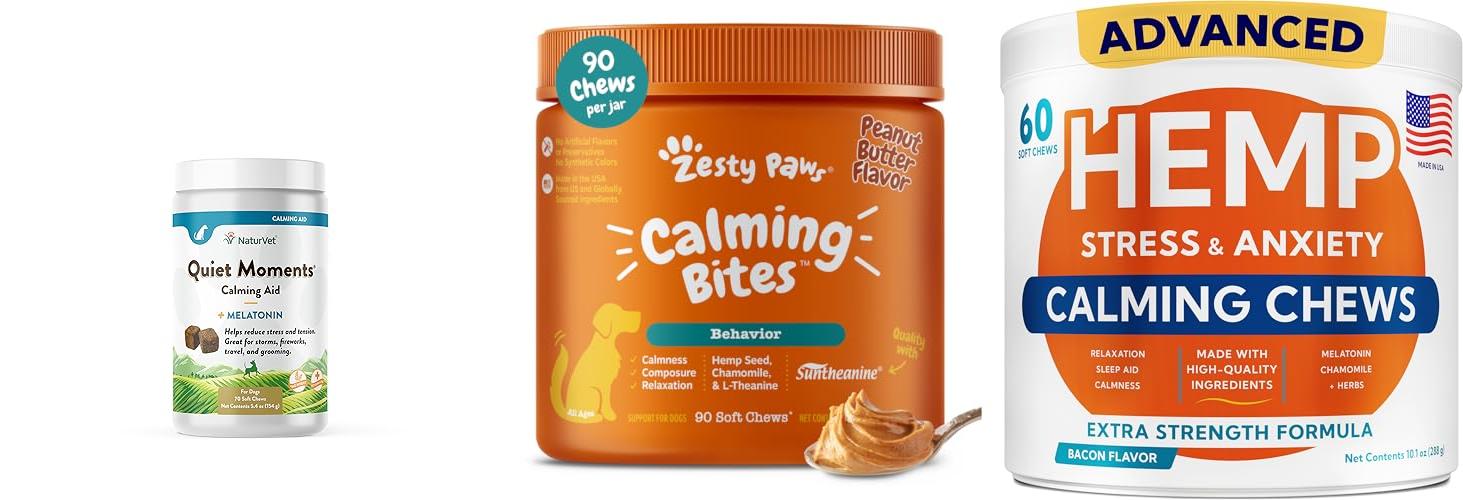
L-Theanine, an amino acid found in green tea, promotes relaxation without drowsiness. It’s commonly included in calming chews and supplements and has been shown to reduce cortisol levels in dogs.
Melatonin is a hormone that regulates sleep and can help dogs with nighttime anxiety or fear of loud noises. It’s safe for short-term use and available over the counter.
CBD oil derived from hemp has gained popularity for its anxiety-reducing effects. Research suggests it may help regulate mood and reduce fear responses. Choose a high-quality, THC-free product specifically formulated for pets.
Always start with low doses and monitor your dog’s reaction. Natural doesn’t always mean risk-free—some dogs may be sensitive to certain herbs or oils.
Behavioral Training and Desensitization Techniques
Behavioral modification is one of the most effective long-term solutions for dog anxiety. The goal is to change your dog’s emotional response to stressors through positive reinforcement and gradual exposure.
Counter-conditioning involves pairing a feared stimulus with something positive, like treats or play. For example, if your dog fears the vacuum cleaner, turn it on briefly while giving high-value treats. Over time, your dog begins to associate the vacuum with good things.
Desensitization means slowly exposing your dog to the anxiety trigger at a low intensity, then gradually increasing exposure as they become more comfortable. For separation anxiety, start by leaving for just a few seconds, then a minute, then longer periods—always returning before your dog becomes stressed.
Use clicker training to reinforce calm behavior. Click and reward your dog the moment they remain relaxed in a potentially stressful situation. This builds positive associations and strengthens their ability to self-calm.
Consistency is key. Work with a certified dog trainer or veterinary behaviorist if your dog’s anxiety is severe. Professional guidance ensures you’re using techniques correctly and safely.
Exercise and Mental Stimulation: The Natural Anxiety Relievers
Physical activity is a powerful tool for reducing anxiety. Exercise helps burn off excess energy, releases endorphins, and promotes better sleep—all of which contribute to emotional balance.
Aim for at least 30–60 minutes of daily exercise, depending on your dog’s breed and age. Walks, fetch, swimming, and agility training are excellent options. For high-energy dogs, longer or more intense sessions may be necessary to achieve calm.
Mental stimulation is equally important. Anxious dogs often benefit from puzzle toys, scent games, and training sessions that challenge their minds. Activities like hiding treats around the house or using a snuffle mat engage their natural foraging instincts and provide a healthy distraction from stress.
Rotate toys regularly to keep them novel and exciting. Boredom can exacerbate anxiety, so keeping your dog mentally engaged helps prevent destructive behaviors and promotes relaxation.
Calming Aids and Sensory Therapies
Several non-invasive, sensory-based tools can help soothe an anxious dog. These work by providing comfort, reducing sensory overload, or promoting relaxation through touch and scent.
Thundershirts and anxiety wraps apply gentle, constant pressure to your dog’s torso, similar to swaddling a baby. This deep pressure stimulation can have a calming effect on the nervous system. Many dogs show reduced panting, trembling, and pacing when wearing these garments during storms or travel.
Pheromone diffusers, such as Adaptil, mimic the natural calming pheromones produced by nursing mother dogs. Plugging one into your home can create a sense of security, especially for dogs with separation anxiety or noise phobias.
Aromatherapy using dog-safe essential oils like lavender or chamomile can promote relaxation. Use a pet-safe diffuser or dilute oils in a carrier oil and apply to your dog’s collar or bedding. Never apply essential oils directly to your dog’s skin or allow ingestion.
Massage and touch therapy can also reduce stress. Gentle petting, especially around the ears, chest, and base of the tail, can lower heart rate and release oxytocin—the “bonding hormone.” Consider learning basic canine massage techniques to use during calm moments or before stressful events.
Nutrition and Diet: The Foundation of Calm
What your dog eats directly impacts their brain chemistry and emotional regulation. A balanced, high-quality diet supports nervous system health and can reduce anxiety over time.
Look for dog foods rich in omega-3 fatty acids, such as those containing salmon, flaxseed, or chia seeds. Omega-3s have anti-inflammatory properties and are linked to improved mood and cognitive function.
Foods with high levels of tryptophan—an amino acid precursor to serotonin—can also promote calm. Turkey, eggs, and certain grains are good sources. Some calming diets are specifically formulated to support nervous system health.
Avoid foods with artificial additives, excessive sugar, or fillers like corn and soy, which can contribute to hyperactivity and mood swings. Consider feeding smaller, more frequent meals to maintain stable blood sugar levels, which helps regulate mood.
Hydration is equally important. Dehydration can exacerbate stress, so ensure your dog has access to fresh water at all times. Adding bone broth or wet food can increase fluid intake, especially for picky drinkers.
Building Confidence Through Training and Socialization
Anxious dogs often lack confidence, which makes them more reactive to stress. Building your dog’s self-assurance through positive experiences can significantly reduce anxiety.
Start with basic obedience training. Commands like “sit,” “stay,” and “leave it” give your dog a sense of control and predictability. Use positive reinforcement—treats, praise, and play—to reward good behavior.
Gradual socialization is crucial, especially for dogs with fear-based anxiety. Introduce new people, animals, and environments slowly and positively. Avoid forcing interactions; let your dog approach at their own pace.
Enroll in a puppy or adult dog socialization class led by a qualified trainer. These classes provide structured, safe environments for your dog to learn and build confidence. Even older dogs can benefit from new experiences when introduced gently.
Celebrate small victories. Every calm moment, successful interaction, or mastered command is a step toward a more confident, less anxious dog.
When to Seek Professional Help
While natural methods are effective for many dogs, some cases of anxiety require professional intervention. If your dog’s anxiety is severe, self-injurious, or doesn’t improve with consistent effort, consult a veterinarian or certified animal behaviorist.
Signs that professional help may be needed include:
- Persistent destructive behavior
- Excessive drooling or panting
- Inability to eat or drink when stressed
- Aggression toward people or animals
- Prolonged hiding or refusal to move
A professional can assess your dog’s condition, rule out medical causes (like pain or thyroid issues), and create a tailored treatment plan. In some cases, short-term medication may be recommended alongside natural therapies to help your dog through a critical period.
Remember, seeking help is not a failure—it’s a commitment to your dog’s well-being. Many dogs respond best to a combined approach that includes behavioral therapy, environmental changes, and, when necessary, medical support.
Key Takeaways
- Dog anxiety is common and treatable without medication using natural, holistic methods.
- Identify your dog’s specific triggers and symptoms to create a targeted plan.
- Create a calm, predictable environment with safe spaces and consistent routines.
- Use natural supplements like chamomile, L-theanine, and CBD oil under veterinary guidance.
- Implement behavioral training techniques such as counter-conditioning and desensitization.
- Ensure daily exercise and mental stimulation to reduce stress and burn off excess energy.
- Incorporate calming aids like Thundershirts, pheromone diffusers, and aromatherapy.
- Feed a high-quality diet rich in omega-3s and avoid artificial additives.
- Build confidence through positive training and gradual socialization.
- Consult a professional if anxiety is severe or persistent.
FAQ
Can I use human anxiety supplements for my dog?
No, never give your dog human supplements without veterinary approval. Many ingredients safe for humans—like xylitol, certain herbs, or high doses of vitamins—can be toxic to dogs. Always use pet-specific products and follow dosage guidelines.
How long does it take for natural anxiety treatments to work?
Results vary depending on the dog and the severity of anxiety. Some dogs respond within days to environmental changes or calming aids, while others may take weeks or months of consistent training and supplementation. Patience and consistency are essential.
Is it safe to use CBD oil for dog anxiety?
Yes, when used correctly. Choose a high-quality, THC-free CBD oil formulated for pets. Start with a low dose and monitor your dog for any side effects, such as drowsiness or digestive upset. Consult your vet before use, especially if your dog is on other medications.
Conclusion
Helping your dog overcome anxiety naturally is not only possible—it’s often the most sustainable and compassionate approach. By combining environmental adjustments, behavioral training, natural remedies, and lifestyle changes, you can create a calmer, happier life for your furry friend.
Remember, every dog is unique. What works for one may not work for another, so be patient and observant. Celebrate progress, no matter how small, and don’t hesitate to seek expert guidance when needed.
With love, consistency, and the right tools, you can help your anxious dog feel safe, secure, and confident—without relying on medication. Start with one or two strategies from this guide, and build from there. Your dog’s peace of mind is worth the effort.