
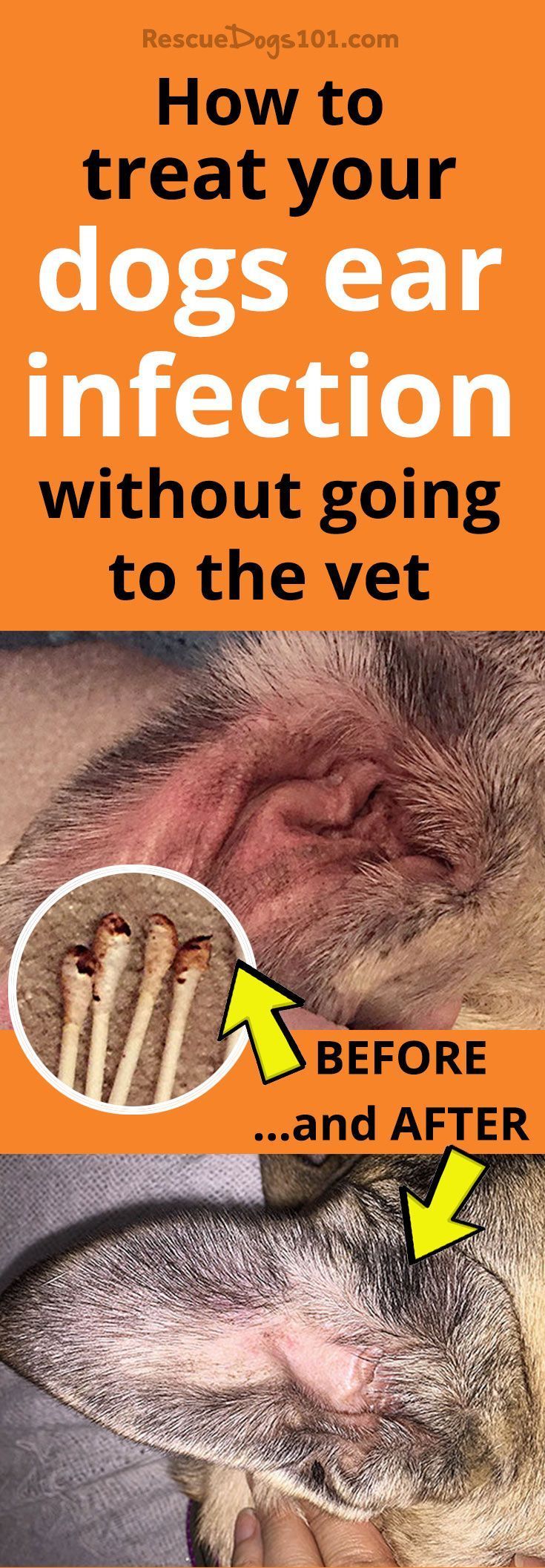
Home Remedy for Dog Ear Infection Without Vet
Is your dog shaking its head constantly, scratching its ears, or emitting a foul odor from the ear canal? These are classic signs of an ear infection—and if you’re searching for a home remedy for dog ear infection without vet, you’re not alone. Many pet owners want to avoid costly vet visits or antibiotic overuse, especially for mild, recurring infections. The good news? Several natural, vet-approved home treatments can effectively manage and even resolve minor ear infections in dogs—safely and affordably.
This guide dives deep into proven, science-backed home remedies that target the root causes of ear infections: bacteria, yeast, moisture, and inflammation. You’ll learn how to identify infection types, choose the right natural solution, and apply it correctly—all without stepping into a clinic. Whether your dog has floppy ears, seasonal allergies, or a history of ear issues, these methods are tailored to real-world effectiveness and safety.
Why Do Dogs Get Ear Infections?
Before treating an ear infection at home, it’s crucial to understand why they happen. Dogs—especially breeds with long, floppy ears like Cocker Spaniels, Basset Hounds, or Golden Retrievers—are prone to ear infections due to their anatomy. Their ear canals are L-shaped, trapping moisture, wax, and debris, creating a perfect breeding ground for bacteria and yeast.
Common triggers include:
- Excess moisture from swimming or bathing
- Allergies (food or environmental)
- Ear mites (especially in puppies)
- Wax buildup or foreign objects
- Hormonal imbalances or autoimmune conditions
Left untreated, ear infections can lead to pain, hearing loss, or even ruptured eardrums. But for mild to moderate cases, a well-chosen home remedy can clear the infection quickly—especially when caught early.
Signs Your Dog Has an Ear Infection
Recognizing the symptoms early is key to successful home treatment. Watch for these telltale signs:
- Persistent head shaking or tilting
- Scratching or pawing at the ears
- Redness, swelling, or warmth in the ear
- Dark, waxy, or foul-smelling discharge
- Whining or sensitivity when the ear is touched
- Loss of balance or unusual eye movements (in severe cases)
If your dog shows any of these symptoms, especially discharge that’s yellow, green, or bloody, proceed with caution. While many infections are mild, some require veterinary attention. However, if your dog is otherwise acting normal—eating, drinking, and playful—a home remedy may be appropriate.
Top 5 Safe Home Remedies for Dog Ear Infection
1. Apple Cider Vinegar (ACV) Solution
Apple cider vinegar is a powerhouse for fighting yeast and bacteria—two leading causes of ear infections. Its natural acidity restores the ear’s pH balance, making it inhospitable to pathogens.
To use:
- Mix equal parts raw, unfiltered apple cider vinegar and distilled water.
- Add a few drops of witch hazel or aloe vera juice to soothe irritation.
- Use a clean dropper to apply 3–5 drops into the affected ear.
- Gently massage the base of the ear for 30 seconds to distribute the solution.
- Let your dog shake its head, then wipe away debris with a cotton ball.
Important: Never use ACV if your dog’s eardrum is ruptured or if the ear is bleeding. Discontinue if redness or pain worsens.
2. Green Tea Rinse
Green tea contains natural antioxidants and anti-inflammatory compounds that help reduce swelling and fight infection. It’s gentle enough for daily use and safe for most dogs.
How to prepare:
- Brew a cup of organic green tea and let it cool to room temperature.
- Strain to remove any tea leaves.
- Use a syringe or dropper to flush the ear canal gently.
- Massage the ear base and allow your dog to shake.
- Wipe away residue with a soft cloth.
Use once daily for up to 5 days. Green tea is especially effective for mild yeast infections and post-swim ear cleaning.
3. Coconut Oil Treatment
Coconut oil has natural antimicrobial and antifungal properties thanks to lauric acid. It’s safe if ingested and can soothe irritated skin while fighting infection.
Application method:
- Warm a small amount of organic, unrefined coconut oil until liquid.
- Test on your wrist to ensure it’s not too hot.
- Apply 2–3 drops into the ear canal.
- Massage gently for 30 seconds.
- Let your dog shake, then clean the outer ear with a cotton pad.
Coconut oil also helps prevent future infections by creating a protective barrier. Use 2–3 times per week as a preventive measure.
4. Witch Hazel and Aloe Vera Blend
This soothing combo reduces inflammation, dries excess moisture, and calms irritated skin. Witch hazel acts as a natural astringent, while aloe vera promotes healing.
Mix:
- 2 parts witch hazel
- 1 part pure aloe vera gel (alcohol-free)
- Optional: 1 drop of tea tree oil (only if your dog tolerates it—use sparingly)
Apply with a dropper, massage, and wipe clean. Avoid tea tree oil in cats or small dogs, as it can be toxic in high concentrations.
5. Probiotic Ear Rinse (For Yeast Infections)
Yeast overgrowth is a common cause of chronic ear infections. Probiotics help restore healthy microbial balance in the ear.
To make a probiotic rinse:
- Open 1 capsule of high-quality canine probiotic.
- Mix the powder with 4 oz of distilled water.
- Use a dropper to apply 3–4 drops into the ear.
- Massage and let your dog shake.
This method supports long-term ear health and reduces recurrence. Combine with dietary probiotics for best results.
Step-by-Step Guide: How to Clean Your Dog’s Ears at Home
Proper cleaning technique is essential for any home remedy to work. Follow these steps to ensure safety and effectiveness:
- Restrain gently: Have someone hold your dog or place it on a non-slip surface. Use a calming voice.
- Inspect the ear: Use a flashlight to check for redness, swelling, or foreign objects. Do not insert anything deep into the canal.
- Apply the remedy: Use a dropper or syringe (no needle) to deliver the solution into the ear.
- Massage the base: Gently rub the area just below the ear for 20–30 seconds to help the liquid penetrate.
- Let your dog shake: This helps dislodge debris and excess fluid.
- Wipe clean: Use a soft cloth or cotton ball to remove visible discharge from the outer ear. Never use Q-tips—they can push debris deeper.
- Reward your dog: Offer a treat to create a positive association.
Repeat once daily for 3–7 days, or until symptoms improve. Discontinue if no improvement after 5 days.
When NOT to Use Home Remedies
While home treatments are effective for mild infections, they are not a substitute for veterinary care in certain situations. Seek professional help if:
- Your dog is in visible pain or whimpering
- There’s blood, pus, or a foul-smelling discharge
- The ear is swollen, hot, or deformed
- Your dog has a head tilt, loss of balance, or circling
- Symptoms persist or worsen after 3–5 days of home treatment
- Your dog has a history of chronic ear infections or ear drum damage
In these cases, a vet may need to prescribe antibiotics, antifungals, or perform a deep ear cleaning under sedation. Delaying treatment can lead to serious complications, including hearing loss.
Preventing Future Ear Infections
Prevention is always better than cure. Reduce the risk of recurring infections with these simple habits:
Regular Ear Checks
Inspect your dog’s ears weekly. Look for wax buildup, redness, or odor. Early detection prevents full-blown infections.
Keep Ears Dry
After swimming or bathing, dry your dog’s ears thoroughly with a soft towel. Consider using a drying solution like a diluted vinegar rinse (1:1 with water) once a week.
Trim Ear Hair
For breeds with hairy ear canals (like Poodles or Schnauzers), gently pluck excess hair to improve airflow. Use blunt-tipped tweezers and be careful not to irritate the skin.
Manage Allergies
Food and environmental allergies often trigger ear infections. Work with your vet to identify allergens and consider hypoallergenic diets or antihistamines if needed.
Boost Immune Health
A strong immune system fights off infections naturally. Feed a balanced diet rich in omega-3 fatty acids, antioxidants, and probiotics. Supplements like fish oil and vitamin E can support ear health.
Key Takeaways
- Home remedies like apple cider vinegar, green tea, and coconut oil can effectively treat mild dog ear infections without a vet visit.
- Always identify the type of infection (bacterial, yeast, or mites) and avoid using acidic solutions on damaged eardrums.
- Proper cleaning technique—massaging, shaking, and wiping—is crucial for success.
- Prevention through regular ear checks, drying, and allergy management reduces recurrence.
- Seek veterinary care if symptoms are severe, persistent, or involve neurological signs.
FAQ: Common Questions About Home Treatment for Dog Ear Infections
Can I use hydrogen peroxide to clean my dog’s ears?
No, hydrogen peroxide is not recommended. It can irritate sensitive ear tissue, delay healing, and even damage the eardrum. Stick to gentler solutions like vinegar, green tea, or witch hazel.
How long does it take for a home remedy to work?
Most dogs show improvement within 2–3 days. Full resolution may take 5–7 days. If there’s no improvement by day 5, consult a veterinarian.
Can I use human ear drops on my dog?
Never use human medications unless prescribed by a vet. Many contain ingredients (like benzocaine or steroids) that are toxic or inappropriate for dogs. Always choose pet-safe formulations.
Conclusion: Empowering Pet Owners with Safe, Natural Solutions
Finding a reliable home remedy for dog ear infection without vet doesn’t mean guessing or risking your pet’s health. With the right knowledge, you can treat mild infections safely and effectively using natural, accessible ingredients. From apple cider vinegar to probiotic rinses, these methods are backed by both science and centuries of traditional use.
Remember, the goal isn’t to replace veterinary care—but to empower you as a pet owner to act quickly, confidently, and compassionately. By combining early detection, proper cleaning, and preventive care, you can keep your dog’s ears healthy and infection-free.
If you’ve tried these remedies and seen success—or if you have a favorite natural solution—share your experience in the comments. Your story could help another pet parent avoid unnecessary stress and expense. And always remember: when in doubt, consult your vet. Your dog’s health is worth it.