Natural Flea Treatment for Dogs Without Chemicals
Is your dog scratching nonstop, and you’re worried about harsh chemicals in flea treatments? You’re not alone. Many pet owners are turning to natural flea treatment for dogs without chemicals to protect their furry friends from parasites while avoiding synthetic pesticides, neurotoxins, and irritants found in conventional products. The good news? There are proven, gentle, and effective ways to eliminate fleas naturally—without compromising your dog’s health or the environment.
This guide dives deep into safe, chemical-free flea control strategies that actually work. From essential oils and herbal rinses to dietary support and home environment management, you’ll discover holistic solutions backed by science and trusted by holistic veterinarians. Whether you’re dealing with a mild infestation or looking to prevent future outbreaks, these natural methods offer peace of mind and real results.
Why Choose Natural Flea Treatment Over Chemical Options?
Conventional flea treatments often contain ingredients like fipronil, imidacloprid, and pyrethroids—chemicals linked to skin irritation, neurological issues, and long-term toxicity in dogs. Even “spot-on” treatments and oral medications can cause side effects ranging from vomiting and lethargy to seizures in sensitive pets.
Natural flea treatments, on the other hand, focus on disrupting the flea lifecycle using plant-based compounds, physical removal, and environmental control. They’re safer for puppies, senior dogs, and pets with allergies or chronic health conditions. Plus, they don’t contribute to pesticide resistance—a growing problem with chemical flea products.
Beyond safety, natural methods support your dog’s overall wellness. Many herbal and dietary approaches boost skin health, strengthen the immune system, and improve coat quality—benefits that go far beyond flea prevention.
Top Natural Flea Treatments for Dogs (Backed by Science)
1. Diatomaceous Earth (Food-Grade Only)
Diatomaceous earth (DE) is a fine powder made from fossilized algae. When sprinkled on your dog’s coat or around the home, it dehydrates fleas by damaging their exoskeletons. Only use food-grade diatomaceous earth—never pool-grade, which is toxic.
Apply lightly to your dog’s fur, avoiding the face and eyes. Brush thoroughly to distribute evenly. Reapply after bathing or exposure to moisture. For home use, dust carpets, pet bedding, and baseboards, then vacuum after 24–48 hours.
Caution: Inhaling fine particles can irritate lungs. Wear a mask during application and keep pets away until the powder settles.
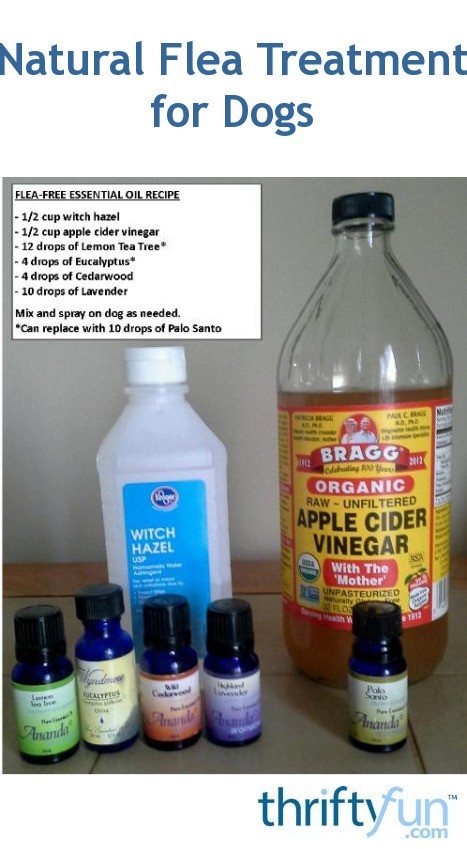
2. Apple Cider Vinegar (ACV) Rinse
Apple cider vinegar creates an acidic environment on your dog’s skin that fleas dislike. It also helps restore the skin’s natural pH balance, reducing itchiness and promoting healing.
Mix 1 part raw, unfiltered ACV with 1 part water. After shampooing, pour the solution over your dog’s coat, avoiding eyes and ears. Let it sit for 5–10 minutes before rinsing. Use once or twice weekly during flea season.
Note: Do not use on open wounds or raw skin. If your dog has sensitive skin, dilute further or discontinue use.
3. Essential Oil Sprays (Diluted & Safe Blends)
Certain essential oils repel fleas naturally. However, proper dilution and species-safe oils are critical. Never apply undiluted oils directly to your dog.
Safe options include:
- Lavender oil – calming and repellent
- Lemongrass oil – strong flea deterrent
- Peppermint oil – cooling and effective (use sparingly)
- Cedarwood oil – disrupts flea nervous system
Make a spray by adding 10–15 drops of essential oil to 1 cup of distilled water and 1 tablespoon of witch hazel or vodka (as an emulsifier). Shake well before each use. Spray lightly on your dog’s coat, avoiding face and genital areas.
⚠️ Warning: Never use tea tree oil (melaleuca) on dogs—it’s highly toxic even in small amounts. Always patch-test first and discontinue if redness or irritation occurs.
4. Herbal Flea Collars
Replace synthetic flea collars with natural herbal alternatives. These collars infuse your dog’s coat with flea-repelling botanicals like rosemary, eucalyptus, and neem.
You can buy pre-made herbal collars or make your own. Soak a cloth collar in a blend of water and a few drops of safe essential oils (e.g., lavender and cedarwood). Let it dry, then place it on your dog. Replace every 2–3 weeks or when the scent fades.
Herbal collars are non-toxic, long-lasting, and ideal for prevention. They’re especially useful for dogs who spend time outdoors.
5. Neem Oil (Highly Effective but Use with Caution)
Neem oil, derived from the neem tree, is a powerful natural insecticide. It interferes with flea feeding, growth, and reproduction. It’s also antifungal and anti-inflammatory, making it great for itchy, irritated skin.
Dilute neem oil to 0.5–1% concentration (5–10 drops per cup of carrier oil like coconut or olive oil). Apply sparingly to your dog’s coat, focusing on flea-prone areas like the neck, back, and base of the tail.
Never let your dog ingest neem oil. Avoid use on pregnant or nursing dogs. Some pets may be sensitive—test on a small area first.
Home & Environment: The Overlooked Key to Flea Control
Fleas don’t just live on your dog—they thrive in your home. Up to 95% of the flea population exists in the environment as eggs, larvae, and pupae. Treating your dog alone won’t solve the problem.
Wash Bedding Weekly in Hot Water
Flea eggs and larvae hide in fabric. Wash all pet bedding, blankets, and soft toys in hot water (at least 120°F) weekly. Dry on high heat to kill remaining pests.
Vacuum Daily (and Dispose of the Bag)
Vacuum carpets, rugs, furniture, and baseboards every day during an infestation. Flea eggs hatch within days, and vacuuming removes up to 90% of eggs and larvae. Immediately empty the vacuum bag or canister into an outdoor trash bin to prevent reinfestation.
Use Salt or Baking Soda on Carpets
Sprinkle fine table salt or baking soda on carpets and let it sit for 12–24 hours. The crystals dehydrate flea eggs and larvae. Vacuum thoroughly afterward. This is a chemical-free way to break the flea lifecycle.
Mow the Lawn & Trim Shrubs
Fleas love tall grass and shaded, moist areas. Keep your yard trimmed and well-maintained. Remove leaf litter, woodpiles, and debris where fleas can hide.
Introduce Beneficial Nematodes
These microscopic worms attack flea larvae in the soil. Apply them to your yard using a watering can or sprayer. They’re safe for pets, children, and plants—and they work naturally without chemicals.
Diet & Immune Support: Strengthen Your Dog from Within
A strong immune system and healthy skin are your dog’s first line of defense against fleas. A poor diet can make your dog more attractive to parasites and less able to recover from bites.
Feed a High-Quality, Species-Appropriate Diet
Choose dog food rich in omega-3 fatty acids (from fish oil or flaxseed), high-quality protein, and natural antioxidants. Avoid fillers like corn, soy, and artificial preservatives, which can weaken immunity.
Raw or gently cooked diets may improve coat health and reduce flea attraction, but consult your vet before making major dietary changes.
Add Garlic (in Moderation)
Small amounts of fresh, finely minced garlic can make your dog’s blood less appealing to fleas. It contains allicin, a compound with natural insect-repelling properties.
Recommended dosage: 1/4 teaspoon per 10 lbs of body weight, 2–3 times per week. Never exceed this amount. Large doses can cause anemia in dogs.
⚠️ Note: Garlic is controversial. Some holistic vets support it; others warn against it. Always consult your veterinarian before adding garlic to your dog’s diet.
Supplement with Brewer’s Yeast & B Vitamins
Brewer’s yeast is rich in B-complex vitamins, which may make your dog’s skin and coat less attractive to fleas. It’s safe for most dogs and can be sprinkled on food daily.
Look for products specifically formulated for pets. Avoid those with added sugar or artificial flavors.
Brushing & Physical Removal: The Simplest Natural Defense
Regular grooming is one of the most effective—and overlooked—ways to control fleas naturally. A fine-tooth flea comb can remove adult fleas, eggs, and debris from your dog’s coat.
Comb your dog daily, especially after walks or outdoor play. Dip the comb in a bowl of soapy water or apple cider vinegar solution to kill fleas on contact. Pay close attention to the neck, tail base, and underbelly—common flea hotspots.
For long-haired dogs, consider trimming the coat during peak flea season to make grooming easier and reduce hiding spots.
When to Call the Vet: Signs You Need Professional Help
While natural treatments are effective for mild to moderate infestations, severe cases may require veterinary intervention. Watch for these warning signs:
- Excessive scratching, hair loss, or open sores
- Visible flea dirt (tiny black specks) or live fleas
- Signs of anemia (pale gums, lethargy, weakness)
- Fleas spreading to other pets or humans
- No improvement after 2–3 weeks of consistent natural treatment
Your vet can confirm a flea allergy dermatitis (FAD) diagnosis and recommend safe, low-impact treatments if needed. Some holistic vets even offer integrative plans that combine natural remedies with minimal medical support.
Key Takeaways: Natural Flea Control Done Right
- Natural flea treatment for dogs without chemicals is safe, effective, and eco-friendly when done correctly.
- Combine topical treatments (like apple cider vinegar rinses and herbal sprays) with environmental control (vacuuming, washing bedding) for best results.
- Never use undiluted essential oils or toxic substances like tea tree oil on dogs.
- Support your dog’s health with a nutritious diet, regular grooming, and immune-boosting supplements.
- Severe infestations may still require professional help—don’t hesitate to consult your vet.
Frequently Asked Questions (FAQ)
Can I use essential oils on my dog for flea control?
Yes, but only safe, diluted oils like lavender, lemongrass, and cedarwood. Always use a carrier liquid and avoid the face, eyes, and sensitive areas. Never use tea tree oil or apply undiluted oils directly to your dog’s skin.
Is diatomaceous earth safe for dogs?
Food-grade diatomaceous earth is safe when used externally and handled properly. Avoid inhalation during application and keep it away from your dog’s eyes and nose. Do not use pool-grade DE—it’s toxic.
How long does it take for natural flea treatments to work?
Natural methods may take 1–3 weeks to fully eliminate fleas, especially if the home environment isn’t treated simultaneously. Consistency is key—continue treatments daily or weekly as recommended.
Final Thoughts: A Healthier, Happier Dog Starts with Natural Care
Choosing natural flea treatment for dogs without chemicals isn’t just about avoiding toxins—it’s about embracing a holistic approach to pet wellness. By combining safe topical remedies, environmental management, and internal support, you can protect your dog from fleas while nurturing their overall health.
Remember, no single method works for every dog. Experiment with different approaches, observe your pet’s response, and adjust as needed. With patience and consistency, you’ll create a flea-free home—naturally.
Ready to get started? Begin with a thorough home clean, switch to a natural flea comb routine, and try one of the safe sprays or rinses mentioned above. Your dog—and your peace of mind—will thank you.