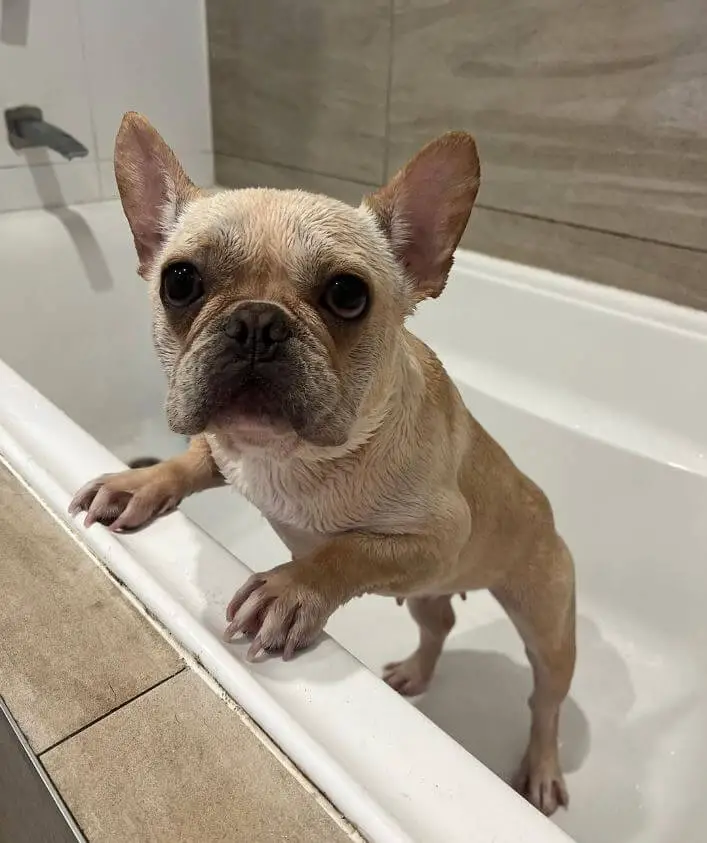
How Often Should You Bathe a Dog Naturally? A Complete Guide for Pet Owners
You love your dog—so naturally, you want to keep them clean, healthy, and smelling fresh. But when it comes to bathing, many pet owners wonder: how often should you bathe a dog naturally? The answer isn’t one-size-fits-all. Over-bathing can strip essential oils from your dog’s skin, while under-bathing may lead to odor, irritation, or infections. The key lies in understanding your dog’s breed, coat type, lifestyle, and natural skin balance. In this guide, we’ll explore the science-backed, holistic approach to natural dog bathing—helping you maintain your pup’s hygiene without disrupting their natural defenses.
Why Natural Bathing Matters for Your Dog’s Health
Dogs, unlike humans, have a unique skin pH and a protective layer of natural oils called the acid mantle. This barrier defends against bacteria, allergens, and environmental irritants. Frequent bathing—especially with harsh shampoos—can damage this layer, leading to dry skin, itching, and even infections. Natural bathing focuses on preserving this balance while keeping your dog clean.
Natural dog bathing emphasizes gentle, non-toxic products and mindful frequency. It’s not just about cleanliness—it’s about supporting your dog’s overall well-being. When done correctly, natural bathing can improve coat shine, reduce shedding, and prevent skin issues without over-cleansing.
Many commercial shampoos contain sulfates, parabens, and artificial fragrances that may irritate sensitive skin. Natural alternatives, such as oatmeal-based or herbal shampoos, cleanse gently while nourishing the skin. Choosing the right products and timing is essential for a healthy, happy dog.
How Often Should You Bathe a Dog Naturally? The General Rule
For most healthy dogs, bathing once every 4 to 8 weeks is sufficient when using natural methods. This timeframe allows the skin to maintain its natural oil production while staying clean. However, this is a guideline—not a strict rule. Individual factors like activity level, coat type, and environment play a major role.
Dogs that spend a lot of time outdoors—rolling in mud, swimming in lakes, or exploring dense brush—may need more frequent baths. Conversely, indoor dogs with low activity may only need a bath every 8 to 12 weeks. The goal is to bathe only when necessary, not on a rigid schedule.
Over-bathing, even with natural products, can still disrupt the skin’s microbiome. Signs of over-bathing include dry, flaky skin, excessive itching, or a dull coat. If you notice these symptoms, consider extending the time between baths and using moisturizing rinses like diluted apple cider vinegar or aloe vera.
Factors That Influence Bathing Frequency
Several key factors determine how often you should bathe your dog naturally:
- Coat Type: Dogs with thick, double coats (like Huskies or Golden Retrievers) trap more dirt and shed seasonally. They may need bathing every 6 to 8 weeks during shedding seasons, but less often otherwise.
- Skin Sensitivity: Breeds prone to allergies or dermatitis (such as Bulldogs or West Highland Terriers) benefit from less frequent bathing to avoid irritation.
- Lifestyle: Active dogs that hike, swim, or dig frequently will get dirtier faster and may need baths every 3 to 4 weeks.
- Climate: In humid or hot climates, dogs may develop odors or attract pests more quickly, requiring slightly more frequent cleaning.
- Age and Health: Puppies and senior dogs often have more sensitive skin. Puppies may need only occasional spot cleaning, while older dogs with mobility issues might benefit from regular gentle baths to prevent matting and odor.
Signs It’s Time to Bathe Your Dog
Instead of relying solely on a calendar, watch for physical cues that your dog needs a bath. These signs help you bathe only when necessary, supporting a natural grooming rhythm.
A strong, unpleasant odor is one of the most obvious indicators. If your dog starts to smell like wet dog or mildew, it’s likely time for a wash. This odor often results from bacteria buildup in the coat, especially in areas with folds or long fur.
Visible dirt, mud, or debris stuck in the fur is another clear sign. Dogs who roll in grass, dirt, or worse—animal waste—need immediate cleaning to prevent skin irritation or ingestion of harmful substances during self-grooming.
Matting or tangling in long-haired breeds can trap moisture and bacteria, leading to hot spots or infections. Regular brushing helps, but if mats persist, a bath with a detangling spray may be necessary to loosen them safely.
Lastly, if your dog has been swimming in lakes, rivers, or chlorinated pools, a rinse or bath is recommended. Natural water may contain parasites or bacteria, while pool chemicals can dry out the skin. A quick freshwater rinse or mild bath helps remove residues.
Natural Bathing Methods That Protect Your Dog’s Skin
Natural bathing isn’t just about frequency—it’s also about technique and product choice. Using the right methods ensures your dog stays clean without compromising their skin health.
Start by brushing your dog thoroughly before the bath. This removes loose fur, dirt, and tangles, making the washing process more effective. Use a slicker brush for long coats and a rubber curry brush for short-haired breeds.
Use lukewarm water—never hot—to avoid drying out the skin. Wet the coat completely, starting from the neck and working down to the tail. Avoid getting water in the ears, eyes, or nose, as this can cause discomfort or infections.
Apply a small amount of natural shampoo and massage it gently into the coat. Focus on areas that get dirtier, like the belly, paws, and under the tail. Let the shampoo sit for 3 to 5 minutes to allow active ingredients (like oatmeal or tea tree oil) to soothe the skin.
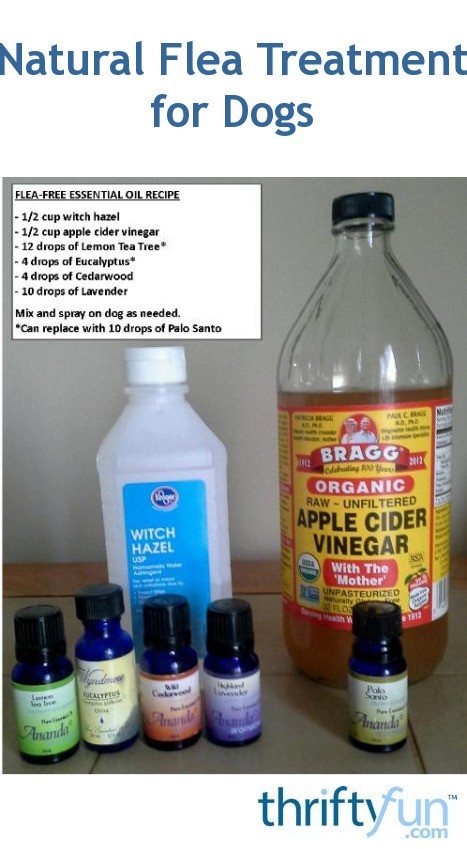
Rinse thoroughly until the water runs clear. Leftover shampoo can cause itching or irritation. For extra conditioning, use a natural rinse such as diluted apple cider vinegar (1 part vinegar to 4 parts water) to restore pH balance and add shine.
Dry your dog with a soft towel, blotting rather than rubbing to prevent tangles. For long-haired breeds, use a blow dryer on a cool setting to avoid overheating the skin. Ensure your dog is completely dry, especially in humid climates, to prevent fungal growth.
DIY Natural Dog Shampoo Recipes
If you prefer making your own products, here are two simple, effective recipes using household ingredients:
Oatmeal & Aloe Vera Soothing Shampoo: Blend 1 cup of plain oatmeal into a fine powder. Mix with 1 cup of water, ¼ cup of aloe vera gel, and 1 tablespoon of mild castile soap. This blend calms itchy skin and is ideal for sensitive dogs.
Herbal Rinse for Odor Control: Steep 2 tablespoons of dried rosemary, lavender, or chamomile in 2 cups of hot water for 30 minutes. Strain and let cool. Use as a final rinse after shampooing to freshen the coat and repel insects naturally.
Always patch-test homemade products on a small area of your dog’s skin before full use. Discontinue if redness or irritation occurs.
Bathing Puppies and Senior Dogs: Special Considerations
Puppies have delicate skin and developing immune systems, so their bathing needs differ from adult dogs. Most veterinarians recommend waiting until a puppy is at least 8 weeks old before their first bath. Until then, use a damp cloth for spot cleaning.
For puppies, bathe only when necessary—typically every 6 to 8 weeks. Over-bathing can strip essential oils and increase the risk of skin infections. Use only puppy-safe, hypoallergenic shampoos with natural ingredients.
Senior dogs often have thinner skin, reduced mobility, and underlying health conditions. They may benefit from more frequent but gentler baths to prevent odor and matting. Use a non-slip mat in the tub and support their body during the process to reduce stress.
Arthritic dogs may struggle to stand during a bath. Consider using a handheld showerhead or a no-rinse foam cleanser for quick touch-ups between full baths. Always consult your vet if your senior dog has skin lesions, lumps, or signs of discomfort.
Common Mistakes to Avoid When Bathing Your Dog Naturally
Even with the best intentions, pet owners can make mistakes that affect their dog’s skin and coat health. Avoiding these pitfalls ensures a safer, more effective bathing routine.
One common error is using human shampoo. Human products are formulated for a different pH level and can severely irritate a dog’s skin. Always use dog-specific or natural pet shampoos.
Another mistake is bathing too frequently. Unless your dog is visibly dirty or has a medical condition, sticking to a 4- to 8-week schedule is ideal. Over-bathing disrupts the natural microbiome and can lead to chronic dryness.
Skipping the rinse is another issue. Residual shampoo left in the coat can cause itching and flaking. Always rinse until the water is completely clear, especially around the belly and legs.
Using hot water or blow-drying on high heat can burn sensitive skin. Stick to lukewarm water and cool-air drying to protect your dog’s natural oils.
Finally, avoid bathing during extreme weather. Bathing a dog in cold weather without proper drying can lead to hypothermia. Similarly, bathing in direct sunlight may cause overheating. Choose a warm, indoor space for comfort and safety.
Key Takeaways: How Often Should You Bathe a Dog Naturally?
To summarize, the ideal bathing frequency for most dogs using natural methods is every 4 to 8 weeks, adjusted based on individual needs. Focus on your dog’s coat type, lifestyle, and skin condition rather than a strict schedule.
Use gentle, natural shampoos free from harsh chemicals. Prioritize brushing before and after baths to maintain coat health. Watch for signs like odor, dirt, or matting to determine when a bath is truly needed.
Avoid over-bathing, using human products, or skipping thorough rinsing. For puppies and seniors, tailor your approach to their unique needs. When in doubt, consult your veterinarian for personalized advice.
Natural bathing isn’t just about cleanliness—it’s about supporting your dog’s overall health and comfort. By respecting their natural skin balance, you’ll keep them happy, healthy, and smelling fresh—without unnecessary stress or irritation.
FAQ: Natural Dog Bathing Questions Answered
Can I bathe my dog with just water?
Yes, for light cleaning or between full baths, a water-only rinse can help remove surface dirt and odors. However, water alone doesn’t break down oils or bacteria, so it’s not a substitute for shampoo when a deeper clean is needed.
Is it okay to bathe my dog weekly if they swim often?
If your dog swims frequently in lakes, oceans, or pools, weekly rinses with water or a mild natural shampoo can help remove chlorine, salt, or contaminants. Just ensure you’re using a gentle, moisturizing formula to prevent dryness.
What natural ingredients should I avoid in dog shampoos?
Avoid essential oils like tea tree, eucalyptus, and citrus in high concentrations, as they can be toxic to dogs. Also steer clear of alcohol, synthetic fragrances, and artificial dyes. Stick to soothing ingredients like oatmeal, aloe vera, and chamomile.
Conclusion: A Balanced Approach to Natural Dog Bathing
Knowing how often should you bathe a dog naturally empowers you to make informed, compassionate choices for your pet. The goal isn’t perfection—it’s balance. By listening to your dog’s needs, using gentle products, and bathing only when necessary, you support their natural skin health and overall well-being.
Remember, every dog is unique. What works for a high-energy Labrador may not suit a quiet indoor Shih Tzu. Observe, adapt, and prioritize comfort over routine. With the right approach, bathing becomes a bonding experience—not a chore.
Start by assessing your dog’s individual needs today. Choose natural products, establish a flexible schedule, and enjoy the benefits of a clean, happy, and naturally healthy pup.