How to Help a Dog Lose Weight Naturally at Home
Is your dog carrying a few extra pounds? You’re not alone. Over half of dogs in the U.S. are overweight or obese, and many pet owners are searching for safe, natural ways to help their furry friends shed those pounds—without harsh diets or expensive supplements. The good news? You can help your dog lose weight naturally at home with simple, science-backed changes to their daily routine. From adjusting meals to increasing activity, this guide walks you through every step to support your dog’s healthy weight loss journey—safely and sustainably.
Why Natural Weight Loss Matters for Dogs
Just like humans, dogs thrive when they maintain a healthy weight. Excess weight puts strain on joints, increases the risk of diabetes, heart disease, and arthritis, and can shorten their lifespan. But rapid or forced weight loss can be dangerous. Natural weight loss focuses on gradual, consistent changes that support long-term health—not quick fixes that leave your dog hungry or lethargic.
Natural methods prioritize whole foods, portion control, and increased physical activity—all things you can manage at home. These approaches are gentler on your dog’s metabolism and help build lasting habits that prevent future weight gain. Plus, they strengthen the bond between you and your pet through shared activities like walks and playtime.
Assessing Your Dog’s Current Weight
Before starting any weight loss plan, it’s essential to determine whether your dog is actually overweight. A quick visual check can help: you should be able to feel your dog’s ribs without pressing hard, and they should have a visible waist when viewed from above.
If you’re unsure, consult your veterinarian. They can provide a body condition score (BCS) on a scale of 1 to 9, where 4–5 is ideal. A score of 6 or higher indicates overweight, and 7+ suggests obesity. Your vet can also rule out underlying health issues like hypothyroidism or Cushing’s disease that may contribute to weight gain.
Signs Your Dog May Be Overweight
- Difficulty feeling ribs under a layer of fat
- No visible waistline when viewed from above
- Bulging belly or sagging abdomen
- Reluctance to move, play, or go for walks
- Heavy panting after minimal activity
Once you’ve confirmed your dog needs to lose weight, it’s time to create a natural, home-based plan tailored to their breed, age, and lifestyle.
Adjusting Your Dog’s Diet Naturally
Nutrition is the foundation of healthy weight loss. The goal isn’t starvation—it’s feeding smarter. Start by evaluating your dog’s current food. Many commercial kibbles are high in fillers, carbohydrates, and artificial additives that contribute to weight gain. Switching to a high-protein, low-carb, grain-free formula can make a big difference.
Look for foods with real meat as the first ingredient—like chicken, turkey, or salmon—and avoid those listing corn, soy, or by-products. Wet food can also be a good option, as it’s lower in calories and higher in moisture, helping your dog feel full longer.
Portion Control: The Key to Calorie Management
Even the healthiest food can lead to weight gain if portions are too large. Use a measuring cup to serve exact amounts based on your dog’s ideal weight—not their current one. Most dogs need about 20–30 calories per pound of ideal body weight per day.
For example, a 50-pound dog aiming for 40 pounds should eat around 800–1,200 calories daily. Split this into two meals to prevent hunger and support digestion. Avoid free-feeding, where food is left out all day, as it encourages overeating.
Healthy Homemade Meals and Treats
Homemade meals give you full control over ingredients. A simple recipe might include boiled chicken, steamed green beans, and a small amount of sweet potato. Always consult your vet before switching to a homemade diet to ensure it’s balanced.
For treats, skip the store-bought, high-calorie snacks. Instead, use small pieces of cooked lean meat, carrots, or apple slices (without seeds). Limit treats to no more than 10% of daily calories. Training with praise and play instead of food can also reduce unnecessary calorie intake.
Increasing Physical Activity at Home
Exercise is just as important as diet when helping a dog lose weight naturally at home. Start slowly—especially if your dog is older or has joint issues—and gradually increase intensity and duration.
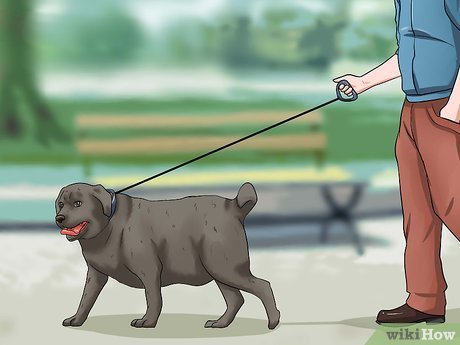
Daily walks are essential. Aim for at least 30 minutes, broken into two 15-minute sessions if needed. Use a harness instead of a collar to reduce strain on the neck. If your dog resists walking, try shorter, more frequent outings and reward progress with praise.
Fun Indoor Activities
Not all exercise has to happen outside. Indoor games like fetch, hide-and-seek, or tug-of-war burn calories and stimulate your dog mentally. Puzzle toys filled with low-calorie treats encourage movement and problem-solving.
Stairs are another great tool—if your dog can safely navigate them. Walking up and down a few flights counts as cardio. Just monitor for signs of fatigue or discomfort.
Breed-Specific Exercise Needs
Different breeds have different energy levels. High-energy dogs like Border Collies or Labradors need more vigorous activity, while Bulldogs or Basset Hounds may do better with shorter, low-impact sessions. Tailor activities to your dog’s abilities and preferences to keep them engaged.
Hydration and Metabolism Support
Proper hydration supports metabolism and helps your dog feel full. Always provide fresh, clean water. Some dogs drink more when water is changed frequently or when using a pet fountain.
Adding a small amount of bone broth (unsalted and onion-free) to meals can increase water intake and add flavor without extra calories. Coconut oil in tiny amounts (1/4 tsp per 10 lbs of body weight) may also support metabolism, but use sparingly—it’s high in fat.
Monitoring Progress and Staying Consistent
Weight loss should be gradual—about 1–2% of body weight per week. Rapid loss can lead to liver problems or muscle wasting. Weigh your dog every two weeks using a pet scale or by weighing yourself together and subtracting your weight.
Keep a journal to track food intake, exercise, and mood. Note improvements in energy, coat quality, and mobility. These non-scale victories are just as important as the number on the scale.
If your dog isn’t losing weight after 4–6 weeks, reassess portions, activity levels, or hidden calorie sources like table scraps or chews. Sometimes, a small adjustment is all that’s needed.
Common Mistakes to Avoid
Even with the best intentions, pet owners often make errors that slow progress. One common mistake is reducing food too drastically. This can slow metabolism and lead to nutrient deficiencies. Always aim for moderate calorie reduction, not extreme restriction.
Another pitfall is inconsistent feeding times or skipping meals. Dogs thrive on routine. Feed at the same times each day and avoid giving in to begging with extra food or treats.
Lastly, don’t rely on weight-loss supplements or “diet” foods without veterinary guidance. Many contain unnecessary additives or aren’t proven effective. Natural, whole-food approaches are safer and more sustainable.
Key Takeaways
- Help your dog lose weight naturally at home by combining balanced nutrition, portion control, and increased physical activity.
- Consult your vet to confirm your dog is overweight and rule out medical causes.
- Choose high-protein, low-carb food and measure portions carefully.
- Replace high-calorie treats with healthy alternatives like carrots or lean meat.
- Increase daily exercise with walks, play, and mental stimulation.
- Monitor progress weekly and adjust as needed—slow and steady wins the race.
FAQ
How long does it take for a dog to lose weight naturally?
Most dogs lose weight gradually over 3–6 months, depending on their starting weight and consistency with diet and exercise. Aim for 1–2% of body weight loss per week for safe, sustainable results.
Can I feed my dog a raw diet to help them lose weight?
A raw diet can support weight loss if properly balanced, but it requires careful planning to avoid nutritional gaps. Consult your veterinarian or a veterinary nutritionist before making the switch, especially for overweight dogs with health conditions.
What if my dog refuses to exercise?
Start with short, low-pressure activities like sniffing walks or indoor games. Use positive reinforcement—praise, play, or a favorite toy—to build enthusiasm. If reluctance persists, consult your vet to rule out pain or mobility issues.
Conclusion
Helping your dog lose weight naturally at home is one of the most loving things you can do for their long-term health. With thoughtful diet changes, consistent exercise, and regular monitoring, you can guide your dog toward a healthier, happier life—without drastic measures or expensive products. Remember, every small step counts. Celebrate progress, stay patient, and enjoy the journey of becoming your dog’s wellness partner. Your furry friend will thank you with more energy, better mobility, and years of joyful companionship.