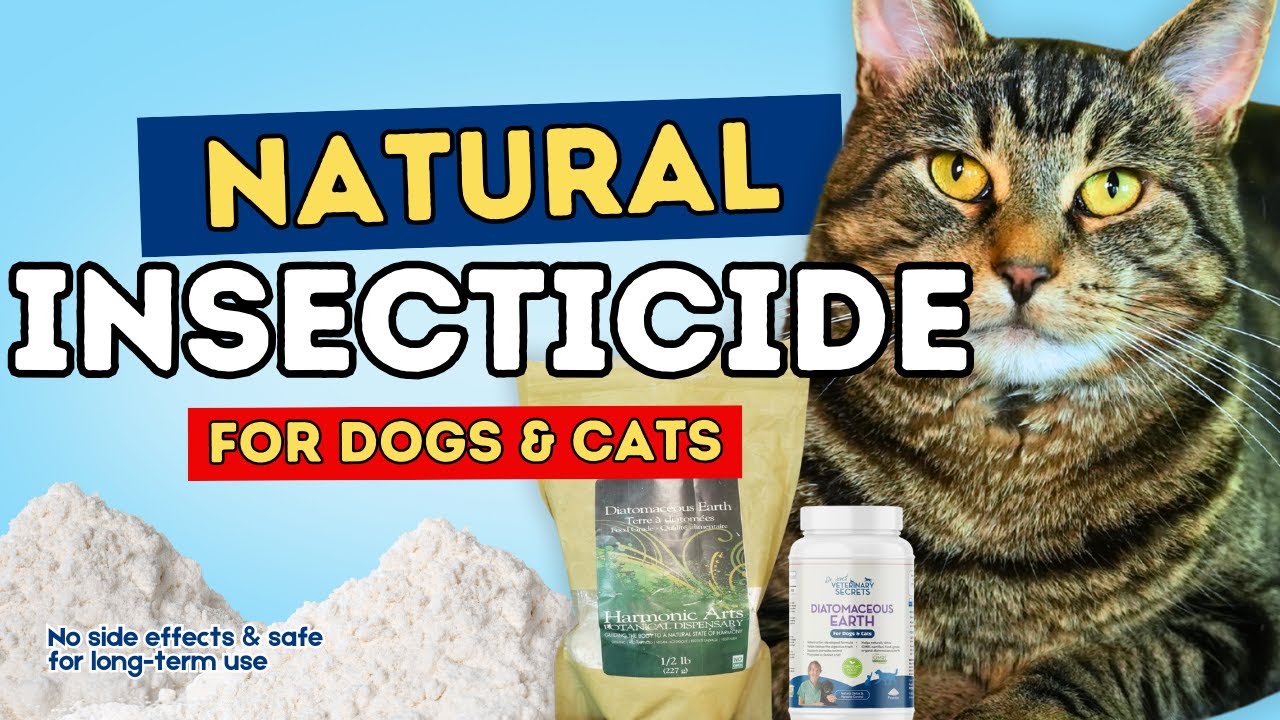
Is Diatomaceous Earth Safe for Dogs as Flea Treatment?
If your dog is scratching nonstop and you’ve spotted tiny, jumping pests on their fur, you’re likely searching for safe, effective flea treatments. One natural remedy that’s gained attention is diatomaceous earth (DE). But is diatomaceous earth safe for dogs as flea treatment? The short answer: yes, food-grade diatomaceous earth is generally safe for dogs when used correctly—but only if you follow proper application methods and choose the right type. This article dives deep into how DE works, its safety profile, proper usage, and what to avoid, so you can make an informed decision for your furry friend.
What Is Diatomaceous Earth?
Diatomaceous earth is a fine, powdery substance made from the fossilized remains of tiny aquatic organisms called diatoms. These microscopic algae have silica-based skeletons that, over millions of years, accumulate into soft, chalky rock. When mined and ground into powder, this rock becomes diatomaceous earth—a naturally abrasive, absorbent material with a variety of uses, from filtration to pest control.
There are two main types of diatomaceous earth: food-grade and pool-grade. Only food-grade diatomaceous earth is safe for use around pets and humans. Pool-grade DE is chemically treated and highly toxic, designed for water filtration systems, and should never be used on or near animals.
Food-grade DE is non-toxic and commonly used in organic farming, food storage, and natural pest control. Its effectiveness against fleas lies in its physical action—not chemicals—making it appealing to pet owners seeking chemical-free alternatives.
How Does Diatomaceous Earth Kill Fleas?
Diatomaceous earth doesn’t poison fleas. Instead, it works mechanically. The microscopic sharp edges of DE particles scratch through the waxy outer layer (cuticle) of a flea’s exoskeleton. This causes the flea to lose moisture rapidly, leading to dehydration and death—usually within 24 to 48 hours of contact.
This physical mode of action means fleas cannot develop resistance to DE, unlike with chemical insecticides. It’s also effective against other pests like ticks, mites, bed bugs, and ants. However, it only works when fleas come into direct contact with the powder and when the environment is dry—moisture reduces its effectiveness.
For dogs, DE is typically applied to their coat, bedding, carpets, and outdoor resting areas. It’s important to note that DE does not repel fleas—it kills them on contact. So consistent reapplication is necessary, especially in high-infestation areas.
Why Pet Owners Choose DE Over Chemical Treatments
- No harsh chemicals: Unlike spot-on treatments or flea collars that contain pesticides, DE is a natural, non-toxic option.
- Resistance-proof: Fleas can’t build immunity to its physical action.
- Multi-surface use: Can be applied to pets, carpets, furniture, and kennels.
- Cost-effective: A small bag lasts a long time and treats multiple areas.
Is Diatomaceous Earth Safe for Dogs? Safety Considerations
The safety of diatomaceous earth for dogs hinges on two factors: the grade of DE used and how it’s applied. When used correctly, food-grade DE is considered safe for dogs, puppies (over 8 weeks), and even pregnant or nursing dogs. However, there are important precautions to follow.
1. Use Only Food-Grade Diatomaceous Earth
Never use pool-grade or industrial-grade DE on or around your dog. These forms contain crystalline silica, which is toxic when inhaled or ingested. Food-grade DE, on the other hand, is amorphous silica and is approved for use in food products and animal feed.
Always check the label. Reputable brands will clearly state “food-grade” and may list it as safe for use around pets. Look for products that are 100% pure with no added chemicals or fillers.
2. Avoid Inhalation Risks
While DE is safe when ingested in small amounts, inhaling the fine dust can irritate your dog’s (and your own) respiratory system. Dogs with pre-existing conditions like asthma or bronchitis are especially vulnerable.
To minimize risk:
- Apply DE in a well-ventilated area.
- Wear a mask and consider using a flea comb to work the powder into the fur instead of dusting it heavily.
- Let the powder settle before allowing your dog back into the treated area.
3. Prevent Eye and Skin Irritation
Though rare, DE can cause mild irritation if it gets into your dog’s eyes or if they have sensitive skin. Avoid applying it directly to the face, ears, or open wounds. If your dog shows signs of redness, excessive scratching, or discomfort after application, discontinue use and consult your veterinarian.
4. Ingestion in Moderation Is Safe
Small amounts of food-grade DE ingested during grooming are not harmful. In fact, some pet owners add a tiny amount to their dog’s food to support digestion or parasite control—though this should only be done under veterinary guidance. However, large quantities can cause gastrointestinal upset, so monitor your dog closely.
How to Use Diatomaceous Earth on Dogs for Flea Control
Using diatomaceous earth effectively requires a strategic approach. It’s not a one-time fix but part of a comprehensive flea management plan. Here’s how to apply it safely and effectively.
Step 1: Treat Your Dog’s Coat
Start by brushing your dog to remove loose fur and debris. Then, lightly dust food-grade DE over their body, focusing on areas where fleas commonly hide: base of the tail, behind the ears, under the legs, and along the belly.
Use your hands or a flea comb to work the powder into the fur down to the skin. Avoid the face and eyes. Let the powder sit for several hours—ideally overnight—before bathing or brushing it out. Repeat every 3 to 7 days until the infestation is under control.
Step 2: Treat the Environment
Fleas spend up to 95% of their life cycle off your dog—in carpets, bedding, and furniture. Treating only your pet won’t eliminate the problem.
Sprinkle a thin layer of DE on carpets, rugs, pet beds, and upholstery. Let it sit for 12 to 24 hours, then vacuum thoroughly. For outdoor areas, apply DE to shaded, damp-free spots where your dog rests. Reapply after rain or heavy dew.
Step 3: Combine with Other Flea Control Methods
DE works best when paired with other strategies:
- Regular vacuuming (dispose of the bag immediately).
- Washing pet bedding in hot water weekly.
- Using a flea comb daily to catch adult fleas.
- Considering natural sprays with essential oils (e.g., neem, cedarwood) for added protection.
For severe infestations, consult your vet. DE may not be enough on its own, and prescription treatments might be necessary.
Potential Risks and When to Avoid DE
While diatomaceous earth is generally safe, it’s not suitable for every situation. Be aware of the following risks and limitations.
Not Effective in Humid or Wet Conditions
DE loses its effectiveness when wet. Moisture causes the particles to clump, reducing their abrasive quality. If you live in a humid climate or your dog spends time in damp areas, DE may not be the best standalone solution.
Slow-Acting Compared to Chemical Treatments
DE doesn’t kill fleas instantly. It can take up to 48 hours to dehydrate and kill adult fleas. Meanwhile, fleas may continue to bite and lay eggs. This slow action means you may still see fleas for several days after application.
Does Not Kill Flea Eggs or Larvae
DE only affects adult fleas that come into contact with it. It has no impact on eggs, larvae, or pupae in the environment. This is why environmental treatment and repeated applications are crucial.
Not a Substitute for Veterinary Care
If your dog shows signs of flea allergy dermatitis, anemia, or tapeworms (which can be transmitted by fleas), seek veterinary attention immediately. DE is a supportive tool, not a cure for medical conditions.
Alternatives to Diatomaceous Earth for Flea Control
While DE is a popular natural option, it’s not the only one. Depending on your dog’s needs and lifestyle, you might consider these alternatives:
- Essential oil sprays: Cedarwood, lavender, and peppermint oils can repel fleas (use diluted and avoid cats).
- Apple cider vinegar: Adding a small amount to your dog’s water may make their skin less appealing to fleas.
- Diatomaceous earth + nematodes: Beneficial nematodes (microscopic worms) can be applied to outdoor areas to kill flea larvae naturally.
- Veterinary-approved treatments: Prescription topical or oral medications (e.g., Bravecto, NexGard) offer fast, reliable protection.
Always discuss any new treatment with your vet, especially if your dog has health issues or is on medication.
Key Takeaways
- Food-grade diatomaceous earth is safe for dogs when used correctly and in the right form.
- It kills fleas by dehydrating them—not through chemicals—making it a natural, resistance-proof option.
- Only use food-grade DE; never use pool-grade or industrial versions.
- Apply to your dog’s coat and environment, but avoid inhalation and sensitive areas.
- DE is slow-acting and doesn’t kill eggs, so combine with vacuuming, washing, and repeated treatments.
- For severe infestations or health concerns, consult your veterinarian.
Frequently Asked Questions
Can I use diatomaceous earth on puppies?
Yes, but only puppies over 8 weeks old and only food-grade DE. Avoid inhalation and use sparingly. Consult your vet before treating very young or fragile puppies.
How long does diatomaceous earth take to kill fleas?
DE typically kills adult fleas within 24 to 48 hours of contact. However, it does not affect eggs or larvae, so repeated applications are necessary to break the flea life cycle.
Can I put diatomaceous earth in my dog’s food?
Some pet owners add a small amount (1/2 to 1 teaspoon) of food-grade DE to their dog’s food to support internal parasite control. However, this should only be done under veterinary supervision, as long-term use may affect nutrient absorption.
Final Thoughts
So, is diatomaceous earth safe for dogs as flea treatment? When used responsibly, the answer is a cautious yes. Food-grade DE offers a natural, non-toxic way to combat fleas without exposing your dog to harsh chemicals. Its mechanical action makes it a valuable tool in an integrated flea management plan.
However, it’s not a magic bullet. Success depends on proper application, consistency, and treating both your dog and their environment. Always prioritize your pet’s safety by choosing the right product, avoiding inhalation, and monitoring for any adverse reactions.
If you’re unsure or dealing with a severe infestation, don’t hesitate to reach out to your veterinarian. They can help you determine whether DE is the right choice—or if a different approach is needed. With the right strategy, you can keep your dog comfortable, healthy, and flea-free—naturally.