How to Treat Dog Constipation at Home Fast
Is your dog straining in the yard, passing small hard stools, or not pooping for days? If you’re searching for how to treat dog constipation at home fast, you’re not alone. Constipation in dogs is more common than many pet owners realize—and it can be uncomfortable, even painful, for your furry friend. The good news? In most mild cases, you can resolve it quickly and safely at home with simple, vet-approved remedies.
This guide cuts through the noise and gives you actionable, fast-acting solutions to relieve your dog’s constipation naturally and effectively. From dietary tweaks to hydration hacks and gentle exercises, we’ll walk you through proven home treatments that work—without unnecessary stress or expensive vet visits (unless needed). Let’s get your pup back to regular, comfortable bathroom habits—fast.
What Causes Dog Constipation?
Before jumping into treatments, it’s important to understand why your dog might be constipated. Constipation occurs when stool moves too slowly through the colon, leading to hard, dry feces that are difficult to pass. Several factors can trigger this:
- Dehydration: Not drinking enough water is one of the most common causes. Water helps soften stool and keeps digestion moving smoothly.
- Poor diet: Low-fiber diets, especially those heavy in processed kibble, can slow digestion.
- Lack of exercise: Sedentary dogs are more prone to sluggish bowel movements.
- Holding it in: Dogs who are anxious, in a new environment, or simply don’t get enough outdoor time may delay going, leading to harder stools.
- Hair ingestion: Excessive grooming can lead to hairballs in the digestive tract, especially in long-haired breeds.
- Medications: Certain drugs, like antihistamines or painkillers, can slow gut motility.
- Underlying health issues: Conditions like arthritis (making it painful to squat), prostate problems in males, or neurological disorders can contribute.
Identifying the root cause helps you choose the most effective home remedy. For example, a dehydrated dog will benefit most from increased water intake, while a dog with a low-fiber diet may need dietary adjustments.
Signs Your Dog Is Constipated
Recognizing the symptoms early helps you act fast. Watch for these common signs of canine constipation:
- Straining or crying while trying to defecate
- Passing small, hard, dry stools (or none at all)
- Infrequent bowel movements (less than once every 2–3 days)
- Lethargy or decreased appetite
- Abdominal discomfort or bloating
- Licking the anal area excessively
- Scooting across the floor
If your dog hasn’t pooped in more than 48 hours, or if they’re showing signs of pain, vomiting, or blood in the stool, seek veterinary care immediately. These could indicate a more serious condition like an obstruction or megacolon.
Fast Home Remedies for Dog Constipation
When your dog is constipated, time matters. Here are the fastest, safest, and most effective home treatments to relieve constipation quickly.
1. Increase Water Intake
Dehydration is a leading cause of constipation. Ensure your dog has constant access to fresh, clean water. Try these tricks to encourage drinking:
- Add low-sodium chicken or bone broth to their water (make sure it’s onion- and garlic-free).
- Use a pet water fountain—many dogs prefer running water.
- Offer ice cubes as a treat—some dogs love chewing them.
- Feed wet food instead of dry kibble, which has higher moisture content.
Even a small increase in hydration can soften stool and stimulate bowel movement within 12–24 hours.
2. Add Fiber to Their Diet
Fiber adds bulk to stool and helps it pass more easily. But not all fiber is created equal. Avoid high-sugar options like fruit unless recommended by a vet. Instead, try these vet-approved fiber sources:
- Pumpkin puree: One of the best natural remedies. Use plain, canned pumpkin (not pumpkin pie filling). Give 1–4 tablespoons per day, depending on your dog’s size.
- Sweet potato: Cooked and mashed, it’s gentle and rich in fiber.
- Oatmeal: Plain, cooked oats can help regulate digestion.
- Psyllium husk: A natural fiber supplement. Start with ¼ teaspoon per 10 pounds of body weight, mixed with food.
Introduce fiber gradually to avoid gas or diarrhea. Always pair fiber with extra water—fiber without hydration can worsen constipation.
3. Encourage Movement and Exercise
Physical activity stimulates the digestive system. A 15–30 minute walk or play session can get things moving. Even light activity like chasing a toy or going up and down stairs helps.
For older or mobility-limited dogs, gentle belly rubs or massage can stimulate the colon. Use circular motions just below the ribcage, moving toward the hind legs. This mimics natural peristalsis and may encourage a bowel movement.
4. Use Natural Laxatives (Safely)
Some natural substances act as gentle laxatives for dogs. Always use these in moderation and only for short-term relief:
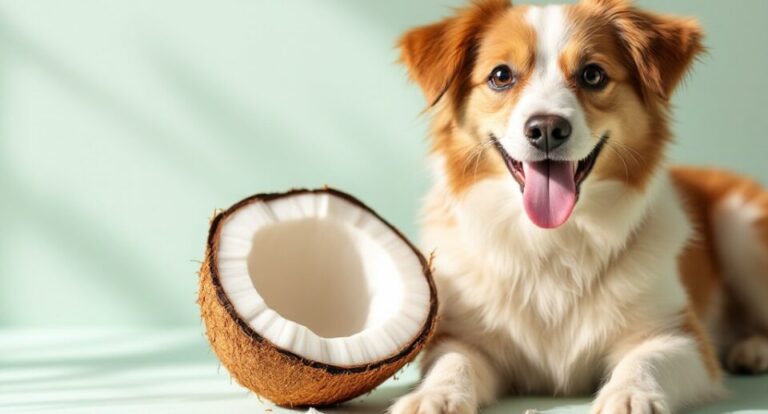
- Olive oil or coconut oil: Add ½ to 1 teaspoon to food once daily. These oils lubricate the intestines and soften stool.
- Aloe vera juice: Use only pure, food-grade aloe (not topical gel). Give 1 teaspoon per 10 pounds of body weight. Avoid if your dog has diarrhea or kidney issues.
- Mineral oil: Only use under vet guidance. It’s effective but can interfere with nutrient absorption if overused.
Never give human laxatives like Dulcolax or Miralax without consulting a veterinarian. Dosage and safety vary greatly between species.
5. Try a Warm Bath or Abdominal Massage
A warm bath can relax your dog’s muscles and reduce stress, which may help with constipation. Gently massaging the abdomen in a clockwise motion can also stimulate the colon.
Use warm (not hot) water and focus on the lower belly area. Combine this with gentle walking afterward to encourage movement.
Foods to Avoid When Your Dog Is Constipated
While adding the right foods helps, removing problematic ones is equally important. Avoid these during a constipation episode:
- Bones (especially cooked): Can splinter and cause blockages.
- Dairy products: Many dogs are lactose intolerant, leading to digestive upset.
- Processed treats: High in fillers and low in fiber.
- White rice or plain pasta: These can be binding and worsen constipation.
- Fatty or greasy foods: Can slow digestion and cause pancreatitis.
Stick to a bland, high-moisture, fiber-rich diet until your dog’s bowel movements normalize.
When to See a Vet
Most cases of dog constipation resolve within 1–2 days with home care. However, some situations require professional attention. Contact your vet immediately if:
- Your dog hasn’t pooped in more than 48–72 hours
- They’re vomiting, lethargic, or refusing food
- You notice blood in the stool or around the anus
- Your dog is in visible pain or distress
- You suspect a foreign object was swallowed (e.g., toy, sock, bone)
- Constipation recurs frequently (more than once a month)
Chronic constipation can lead to serious conditions like megacolon, where the colon becomes enlarged and loses its ability to contract. Early intervention is key.
Preventing Future Episodes
Once your dog is back to normal, focus on prevention to avoid repeat episodes. Here’s how:
- Maintain a consistent feeding schedule: Regular meals help regulate digestion.
- Choose high-quality, fiber-rich dog food: Look for ingredients like pumpkin, beet pulp, or flaxseed.
- Ensure daily exercise: Aim for at least 30 minutes of activity, tailored to your dog’s breed and age.
- Monitor water intake: Refill water bowls frequently and encourage drinking.
- Groom regularly: Brush long-haired dogs daily to reduce hair ingestion.
- Avoid sudden diet changes: Transition new foods gradually over 7–10 days.
For senior dogs or those with chronic health issues, consider a vet-recommended digestive supplement or probiotic to support gut health.
Key Takeaways
- Constipation in dogs is often caused by dehydration, poor diet, or lack of exercise.
- Fast home remedies include increasing water, adding fiber (like pumpkin), encouraging movement, and using natural lubricants like olive oil.
- Never give human medications without vet approval.
- Seek veterinary care if constipation lasts more than 48 hours or is accompanied by vomiting, pain, or lethargy.
- Prevention focuses on hydration, fiber, exercise, and consistent routines.
FAQ: Common Questions About Dog Constipation
Can I give my dog Miralax for constipation?
Miralax (polyethylene glycol) is sometimes used in dogs under veterinary supervision. It’s generally safe in small doses, but never administer it without consulting your vet first. Dosage depends on your dog’s size, health, and the underlying cause of constipation.
How long can a dog go without pooping?
Healthy dogs typically poop once or twice a day. Going more than 48–72 hours without a bowel movement is considered abnormal and may indicate constipation or a blockage. Puppies and small breeds may need to go more frequently.
Is pumpkin safe for dogs with constipation?
Yes—plain, canned pumpkin (not spiced pie filling) is one of the safest and most effective natural remedies. It’s high in soluble fiber and water content, which helps soften stool. Start with 1 teaspoon for small dogs and up to 1 tablespoon for larger breeds, once or twice daily.
Conclusion
Dealing with dog constipation doesn’t have to be stressful. With the right approach, you can treat it quickly and effectively at home. Focus on hydration, fiber, movement, and gentle stimulation to get your dog’s digestion back on track. Most importantly, know when to call the vet—your dog’s comfort and health come first.
If you’ve tried these remedies and seen improvement, great! Use this experience to build better habits that prevent future issues. And if constipation becomes a recurring problem, don’t hesitate to work with your veterinarian to explore underlying causes. Your dog deserves to feel their best—every day. Read about Car insurance and Travel and about Foods from here. Also read about Dogs , Gardening and Savinghabits.