What to Do If Your Dog Is Limping
Seeing your dog limping can be alarming. Whether it’s a sudden stumble after a run or a gradual onset of stiffness, a limp signals that something is off. If your dog is limping, the first step is to stay calm and assess the situation carefully. While some causes are minor—like a thorn in the paw or muscle strain—others may require veterinary attention. Fortunately, there are several safe and effective home remedies you can try while determining the next steps. This guide walks you through immediate actions, natural treatments, and when to call the vet, all tailored to help you respond confidently when your dog is limping.
Understanding Why Your Dog Is Limping
Limping, or lameness, occurs when your dog favors one leg over others due to pain, injury, or discomfort. It can affect any breed, age, or size of dog. The cause might be obvious—like a visible cut or swelling—or subtle, such as joint stiffness from aging. Common reasons include sprains, arthritis, foreign objects in paws, torn ligaments, or even infections.
To respond appropriately, you need to identify the type of limp. Is it sudden or gradual? Does it worsen after activity? Is your dog whining or avoiding putting weight on the leg? These clues help differentiate between minor issues and serious conditions. For example, a dog limping after jumping off the couch might have a sprain, while chronic limping in older dogs often points to arthritis.
Always observe your dog’s behavior closely. Note changes in appetite, energy levels, or mobility. This information is vital if you need to consult a vet later. Remember: early detection and gentle care can prevent minor problems from becoming major ones.
Immediate Steps to Take When Your Dog Is Limping
The moment you notice your dog limping, act quickly but calmly. Panic can stress your pet and make assessment harder. Start by restricting movement. Carry your dog to a quiet, comfortable area and limit activity to prevent further injury.
Next, examine the affected leg gently. Look for cuts, swelling, heat, or foreign objects like thorns, glass, or splinters. Use a flashlight if needed. Check between the toes and under the paw pads—these are common hiding spots for debris. If you find something, remove it carefully with tweezers, but avoid forcing it if it’s deeply embedded.
If there’s bleeding, apply gentle pressure with a clean cloth. For minor wounds, clean the area with lukewarm water and a mild antiseptic solution like diluted chlorhexidine. Avoid hydrogen peroxide or alcohol, as they can damage tissue.
Apply a cold compress to reduce swelling and pain. Wrap ice or a cold pack in a towel and hold it on the injured area for 10–15 minutes, several times a day. Never apply ice directly to the skin. This simple step can significantly reduce inflammation and provide relief.
Safe and Effective Home Remedies for a Limping Dog
Once you’ve stabilized the situation, consider natural, vet-approved home remedies to support healing. These are especially helpful for mild sprains, muscle soreness, or early-stage arthritis. Always ensure your dog is comfortable and not in severe pain before trying any remedy.
One of the most effective remedies is rest. Confine your dog to a small space like a crate or quiet room to prevent jumping or running. Use a comfortable bed with soft padding to reduce pressure on joints. Limit walks to short, slow potty breaks only.
Gentle massage can improve circulation and ease muscle tension. Use slow, circular motions around the affected area—never directly on a swollen or injured spot. Warm olive oil or coconut oil can be used as a lubricant. Massage for 5–10 minutes, 2–3 times daily. Many dogs find this soothing and may even fall asleep during the session.
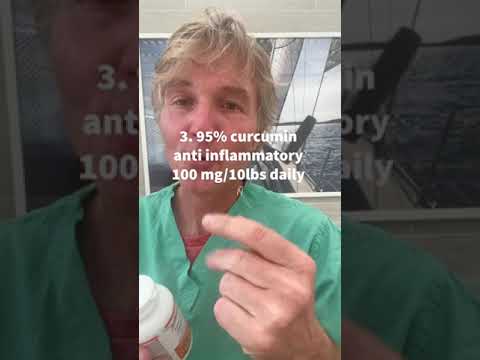
Turmeric is a powerful natural anti-inflammatory. Mix ¼ teaspoon of turmeric powder with a teaspoon of coconut oil and a pinch of black pepper (to enhance absorption) into your dog’s food once daily. This golden paste can help reduce joint pain and swelling, especially in older dogs with arthritis.
Glucosamine and chondroitin supplements are widely used for joint health. These compounds support cartilage repair and reduce inflammation. Look for high-quality supplements designed for dogs, and follow dosage instructions based on weight. Many pet owners report improved mobility within a few weeks of consistent use.
Warm compresses are ideal for stiff joints or muscle stiffness. Soak a clean cloth in warm (not hot) water, wring it out, and apply it to the affected leg for 10–15 minutes. This increases blood flow and relaxes tight muscles. Repeat 2–3 times daily, especially before bedtime.
When to Use Epsom Salt Soaks for Paw Injuries
If your dog’s limp is due to a paw injury—like a cracked pad, splinter, or minor infection—an Epsom salt soak can be incredibly helpful. Epsom salt (magnesium sulfate) reduces inflammation, draws out impurities, and soothes sore tissues.
To prepare the soak, dissolve 1–2 tablespoons of Epsom salt in a basin of warm water. Make sure the water is comfortably warm, not hot. Gently place your dog’s paw in the solution for 10–15 minutes. You can hold them or use a non-slip mat to keep them steady.
After the soak, pat the paw dry with a clean towel. Check for any remaining debris or signs of infection, such as redness, pus, or foul odor. Apply a pet-safe antiseptic if needed. Repeat the soak once or twice daily until the paw heals.
Never use Epsom salt soaks if the wound is deep, bleeding heavily, or shows signs of severe infection. In such cases, seek veterinary care immediately. Also, avoid letting your dog lick the treated area excessively, as ingesting large amounts of Epsom salt can cause digestive upset.
Natural Anti-Inflammatory Foods to Support Healing
What your dog eats can influence recovery from limping. Incorporating anti-inflammatory foods into their diet can speed up healing and reduce pain. Focus on whole, natural ingredients that support joint and muscle health.
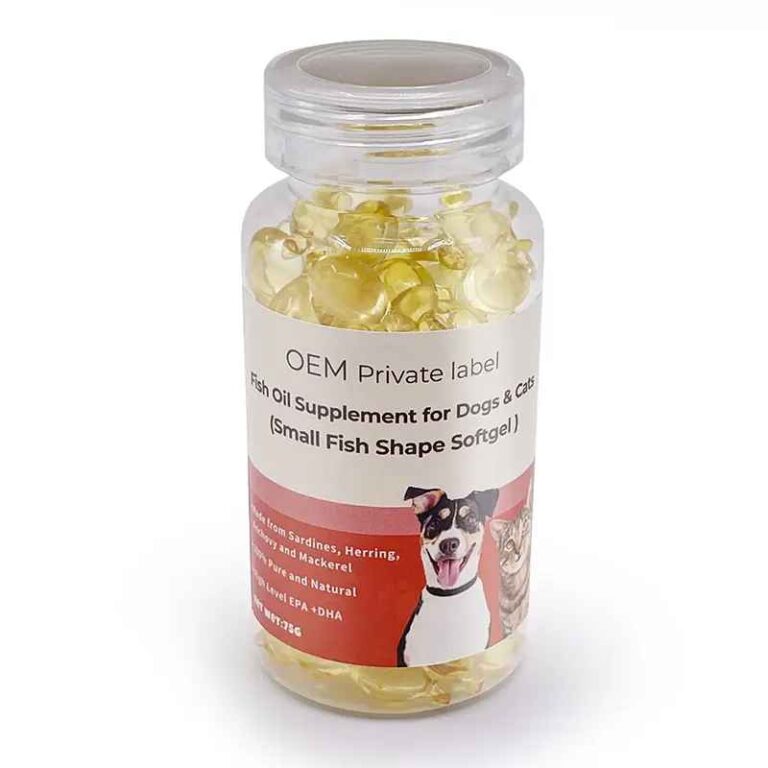
Omega-3 fatty acids are essential for reducing inflammation. Add a small amount of fresh salmon, sardines, or flaxseed oil to your dog’s meals. These fats help lubricate joints and improve mobility. Avoid fish high in mercury, like tuna.
Green-lipped mussel powder is another excellent supplement. Rich in glycosaminoglycans, it supports cartilage repair and reduces joint pain. It’s safe for long-term use and often recommended for dogs with chronic lameness.
Pumpkin puree (not pie filling) is high in fiber and antioxidants. It aids digestion and reduces inflammation. Mix a tablespoon into your dog’s food daily. Sweet potatoes are another great option—packed with vitamins A and C, they support tissue repair.
Bone broth is rich in collagen, gelatin, and minerals that promote joint health. Simmer beef or chicken bones (never cooked or seasoned) for 24–48 hours to extract nutrients. Strain and cool the broth, then serve a small amount daily. Many dogs love the taste and benefit from its healing properties.
Exercises and Stretches to Aid Recovery
Once the initial pain subsides, gentle movement is key to recovery. Controlled exercises help maintain muscle strength, improve flexibility, and prevent stiffness. Always consult your vet before starting any physical therapy.
Start with passive range-of-motion exercises. While your dog is lying down, gently bend and extend the affected leg at the knee and hip. Move slowly and stop if your dog shows discomfort. Do 5–10 repetitions, 2–3 times daily.
Short, slow walks on a leash are ideal for rebuilding strength. Begin with 5–10 minutes on flat, even ground. Avoid stairs, slippery surfaces, or rough terrain. Gradually increase duration as your dog improves.
Balance exercises can strengthen supporting muscles. Place your dog on a soft, unstable surface like a cushion or foam pad. Encourage them to stand still for 30–60 seconds. This improves coordination and reduces the risk of re-injury.
Hydrotherapy, or swimming, is excellent for dogs with joint issues. The water supports their weight, reducing stress on limbs while allowing full-range movement. If you don’t have access to a pool, consult a rehab center that offers canine hydrotherapy.
When Home Remedies Aren’t Enough: Signs You Need a Vet
While many cases of limping can be managed at home, some require professional care. Knowing when to seek help is crucial to prevent long-term damage or complications.
Contact your veterinarian immediately if your dog shows any of the following:
- Severe pain or inability to bear weight on the leg
- Swelling, heat, or redness that worsens after 24 hours
- Open wounds, deep cuts, or signs of infection (pus, foul smell)
- Limping that persists for more than 48 hours without improvement
- Limping accompanied by lethargy, loss of appetite, or fever
- Suspected fracture or dislocation (leg appears deformed or bent)
Older dogs with chronic limping may need diagnostic tests like X-rays or blood work to rule out conditions like hip dysplasia, Lyme disease, or cancer. Early intervention can significantly improve outcomes.
Even if the limp seems minor, a vet visit is wise if your dog is very young, elderly, or has pre-existing health issues. Their immune system may be weaker, making them more vulnerable to complications.
Preventing Future Limping: Long-Term Care Tips
Once your dog recovers, focus on prevention to avoid future episodes. A proactive approach keeps joints strong and muscles flexible, especially as your dog ages.
Maintain a healthy weight. Excess pounds put extra stress on joints, increasing the risk of arthritis and injury. Feed a balanced diet and monitor portion sizes. Regular weigh-ins help catch weight gain early.
Provide regular, moderate exercise. Daily walks, playtime, and mental stimulation keep your dog fit and agile. Avoid overexertion, especially in hot weather or on hard surfaces like concrete.
Invest in joint supplements early, particularly for large breeds or dogs with a family history of joint problems. Glucosamine, chondroitin, and omega-3s are beneficial even before symptoms appear.
Keep nails trimmed. Overgrown nails can alter your dog’s gait, leading to strain in the legs and spine. Trim them every 3–4 weeks or use a grinder for smoother edges.
Use ramps or stairs for furniture and vehicles. Jumping up and down can strain joints, especially in small or senior dogs. Ramps reduce impact and protect hips and knees.
Key Takeaways
- If your dog is limping, stay calm and restrict movement immediately.
- Inspect the leg for injuries, foreign objects, or swelling.
- Apply cold or warm compresses to reduce pain and inflammation.
- Use home remedies like turmeric, Epsom salt soaks, and gentle massage.
- Support healing with anti-inflammatory foods and joint supplements.
- Introduce gentle exercises once pain subsides.
- Seek veterinary care if limping persists, worsens, or is accompanied by other symptoms.
- Prevent future issues with weight management, proper exercise, and joint care.
FAQ
Can I give my dog human pain medication for limping?
No, never give your dog human pain relievers like ibuprofen, acetaminophen, or aspirin unless prescribed by a vet. These medications can be toxic to dogs and cause severe organ damage. Always use pet-safe alternatives or consult your veterinarian for appropriate pain management.
How long should I wait before seeing a vet if my dog is limping?
If the limp is mild and improves within 24–48 hours with rest and home care, monitoring at home is usually fine. However, if there’s no improvement, the limp worsens, or your dog shows signs of pain, lethargy, or swelling, see a vet within 24 hours. Persistent limping beyond two days warrants professional evaluation.
Is it safe to walk a limping dog?
Short, slow leash walks for potty breaks are generally safe to prevent stiffness and maintain circulation. However, avoid long walks, running, or jumping. Overexertion can worsen the injury. Always prioritize rest and consult your vet before resuming normal activity.
Conclusion
When your dog is limping, your quick and thoughtful response can make a big difference in their recovery. By staying calm, assessing the injury, and applying safe home remedies, you can provide immediate relief and support healing. From cold compresses and Epsom salt soaks to turmeric supplements and gentle massage, these natural approaches are effective for many common causes of lameness.
However, always remember that home care is not a substitute for professional veterinary advice. If symptoms persist or worsen, don’t hesitate to seek help. Your dog’s comfort and long-term mobility depend on timely, informed decisions.
With the right care, most dogs recover fully and return to their playful, active selves. Stay observant, act promptly, and give your furry friend the love and attention they deserve—every step of the way.