
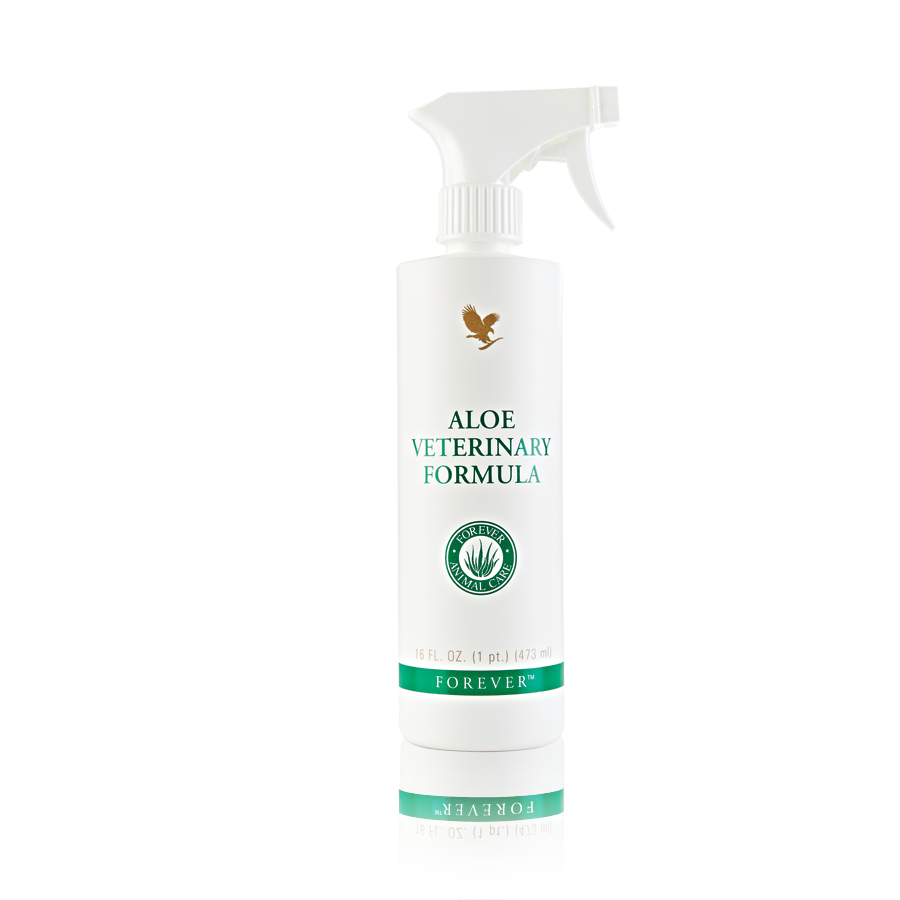
How to Use Aloe Vera on Dogs Safely
If your dog is scratching, irritated, or dealing with dry, inflamed skin, you’ve probably wondered: how to use aloe vera on dogs safely? Aloe vera is widely known for its soothing properties in humans, but can it help your furry friend too? The short answer is yes—when used correctly. However, not all aloe vera products are safe for dogs, and improper use can do more harm than good. This guide walks you through everything you need to know to apply aloe vera on your dog’s skin safely, effectively, and without risk.
Why Aloe Vera Can Help Your Dog’s Skin
Aloe vera contains over 75 active compounds, including vitamins, enzymes, minerals, and amino acids that support skin healing. Its anti-inflammatory, antimicrobial, and moisturizing properties make it a popular natural remedy for minor skin issues in dogs. Whether your pup has a mild sunburn, a hot spot, or dry, flaky skin, aloe vera can offer relief—when used the right way.
Unlike many over-the-counter creams that contain chemicals or steroids, pure aloe vera gel is gentle and non-toxic when applied topically. It helps reduce redness, cool inflamed areas, and promote faster healing of minor abrasions or rashes. However, it’s crucial to remember that aloe vera should only be used externally and never ingested by dogs.
Is Aloe Vera Safe for Dogs?
The safety of aloe vera for dogs depends entirely on the form and application. While the gel from the inner leaf is generally safe for topical use, the outer leaf and latex layer contain aloin—a compound that’s toxic to dogs if ingested. Even small amounts can cause vomiting, diarrhea, lethargy, and loss of appetite.
Therefore, only use 100% pure, organic aloe vera gel that is free from added alcohol, fragrances, preservatives, or aloin. Always check the ingredient label. If you’re harvesting aloe from a plant at home, make sure to properly extract only the inner gel and avoid the yellowish sap near the skin.
How to Choose the Right Aloe Vera Product for Your Dog
Not all aloe vera gels are created equal—especially when it comes to pets. Many commercial products marketed for humans contain additives that can irritate your dog’s sensitive skin or be harmful if licked. Here’s what to look for:
- Pure inner leaf gel: Choose products labeled “inner fillet” or “decolorized” to ensure aloin has been removed.
- No alcohol or fragrances: These can dry out or irritate your dog’s skin.
- Pet-safe formulations: Some brands offer aloe vera gels specifically designed for dogs, which are tested for safety and efficacy.
- Organic and non-GMO: Reduces exposure to pesticides and synthetic chemicals.
Avoid aloe vera juices or supplements unless prescribed by a veterinarian. These are meant for internal use in humans and can be dangerous for dogs.
Step-by-Step Guide: How to Apply Aloe Vera on Dogs Safely
1. Consult Your Veterinarian First
Before applying aloe vera—or any home remedy—to your dog’s skin, consult your veterinarian. This is especially important if your dog has open wounds, severe inflammation, or an unknown skin condition. Your vet can confirm whether aloe vera is appropriate and rule out infections or allergies that require medical treatment.
2. Clean the Affected Area
Gently clean the skin with lukewarm water and a mild, pet-safe cleanser. Pat the area dry with a clean towel. Avoid using hydrogen peroxide or alcohol, as these can delay healing and irritate the skin further.
3. Test for Sensitivity
Apply a small amount of aloe vera gel to a tiny patch of your dog’s skin, such as the inner thigh or behind the ear. Wait 24 hours to check for any signs of redness, swelling, or irritation. If there’s no reaction, it’s likely safe to proceed.
4. Apply a Thin Layer
Using clean fingers or a cotton pad, apply a thin layer of pure aloe vera gel directly to the affected area. Gently massage it in using circular motions. Focus only on the irritated or dry patches—avoid healthy skin unless directed otherwise.
5. Prevent Licking
Dogs are naturally curious and may try to lick the gel off. While a small amount of pure aloe vera is unlikely to cause serious harm if ingested, it can still lead to stomach upset. To prevent licking, consider using a cone (Elizabethan collar) or distracting your dog with a toy or treat after application.
6. Repeat as Needed
For mild conditions like dry skin or minor irritation, apply aloe vera 1–2 times daily for up to 5–7 days. If there’s no improvement or symptoms worsen, stop use and contact your vet immediately.
Common Skin Conditions in Dogs That May Benefit from Aloe Vera
Aloe vera can be a helpful natural remedy for several common canine skin issues. However, it’s not a cure-all and should only be used for mild, non-infected conditions.
Dry or Flaky Skin
Just like humans, dogs can suffer from dry skin due to weather changes, low humidity, or poor diet. Aloe vera’s moisturizing properties help restore hydration and soothe tight, itchy patches. Regular application can improve skin elasticity and reduce flaking.
Minor Sunburn
Dogs with light-colored or thin coats are prone to sunburn, especially on their noses, ears, and belly. Aloe vera’s cooling effect can relieve discomfort and speed up recovery. Apply it after sun exposure, but keep your dog out of direct sunlight during peak hours.
Hot Spots (Acute Moist Dermatitis)
Hot spots are red, moist, and painful lesions that develop rapidly due to scratching, biting, or licking. While aloe vera can help soothe the area, hot spots often require veterinary treatment, including antibiotics or anti-inflammatory medication. Use aloe vera only as a supplementary measure under vet guidance.
Insect Bites and Minor Abrasions
If your dog gets bitten by a mosquito or has a small scrape, aloe vera can reduce swelling and prevent infection. Its antimicrobial properties help keep the area clean while promoting healing.
When NOT to Use Aloe Vera on Dogs
Despite its benefits, aloe vera isn’t suitable for every situation. Avoid using it in the following cases:
- Deep or infected wounds: These require professional veterinary care. Aloe vera alone cannot treat bacterial or fungal infections.
- Allergic reactions: Some dogs may be sensitive to aloe vera. Discontinue use if you notice increased redness, swelling, or itching.
- Chronic skin conditions: Conditions like mange, ringworm, or autoimmune disorders need medical diagnosis and treatment.
- Ingestion risk: If your dog cannot be prevented from licking the area, avoid applying aloe vera altogether.
Never use aloe vera on puppies under 8 weeks old or on dogs with known liver or kidney issues without veterinary approval.
DIY Aloe Vera Gel: How to Extract It Safely at Home
If you have an aloe vera plant at home, you can extract fresh gel yourself—just follow these steps carefully:
- Choose a mature, healthy leaf from the outer part of the plant.
- Wash the leaf thoroughly to remove dirt and pesticides.
- Using a sharp knife, cut the leaf lengthwise and peel away the green outer layer.
- Scoop out the clear, jelly-like substance inside—this is the inner gel.
- Rinse the gel briefly to remove any remaining yellow sap (aloin).
- Store in a clean, airtight container in the refrigerator for up to one week.
Never use the yellow latex layer beneath the skin—it’s toxic to dogs. If you’re unsure about the extraction process, it’s safer to buy a trusted pet-safe product.
Alternative Natural Remedies for Dog Skin Issues
While aloe vera is effective, it’s not the only natural option. Depending on your dog’s needs, you might also consider:
- Coconut oil: Moisturizes dry skin and has antimicrobial properties. Apply a thin layer and monitor for greasiness.
- Oatmeal baths: Soothe itchy skin with a colloidal oatmeal soak. Use lukewarm water and rinse thoroughly.
- Chamomile tea rinse: Brew cooled chamomile tea and apply to irritated areas for calming relief.
- Calendula cream: Known for its healing properties, calendula can help with minor cuts and rashes.
Always patch-test new remedies and consult your vet before combining treatments.
Key Takeaways
- Aloe vera can be safe and beneficial for dogs when used topically in pure, aloin-free form.
- Never allow your dog to ingest aloe vera, as it can cause gastrointestinal upset.
- Always consult your veterinarian before treating skin conditions at home.
- Patch-test aloe vera on a small area first to check for sensitivity.
- Use only 100% pure, organic aloe vera gel without alcohol, fragrances, or additives.
- Apply a thin layer to clean, dry skin and prevent licking with a cone or distraction.
- Aloe vera is best for mild conditions like dry skin, minor burns, or insect bites—not deep wounds or infections.
Frequently Asked Questions
Can I use human aloe vera gel on my dog?
Only if it’s 100% pure aloe vera with no added alcohol, fragrances, or preservatives. Many human products contain ingredients that can irritate your dog’s skin or be toxic if ingested. Always read the label carefully and opt for pet-specific formulas when possible.
How often can I apply aloe vera to my dog’s skin?
For mild conditions, apply aloe vera 1–2 times daily for up to one week. If there’s no improvement or symptoms worsen, stop use and consult your veterinarian. Overuse can lead to skin irritation or excessive moisture retention.
What should I do if my dog eats aloe vera gel?
If your dog ingests a small amount of pure aloe vera gel, monitor for signs of stomach upset such as vomiting or diarrhea. Contact your vet or an animal poison control center immediately if large amounts are consumed or if symptoms appear. Avoid inducing vomiting unless instructed by a professional.
Conclusion
Knowing how to use aloe vera on dogs safely empowers you to provide natural, gentle relief for your pet’s skin discomfort. When sourced correctly and applied with care, aloe vera can be a valuable addition to your dog’s wellness routine. Remember: purity, moderation, and veterinary guidance are key. Always prioritize your dog’s safety over convenience, and never hesitate to seek professional advice when in doubt. With the right approach, you can help your furry friend feel more comfortable, itch-free, and healthy—naturally.