What Essential Oils Are Safe to Use Around Dogs
Many pet owners love using essential oils for their calming scents and natural benefits, but not all oils are safe for dogs. If you’re wondering what essential oils are safe to use around dogs, the answer isn’t as simple as checking a label. While some oils can support your dog’s well-being when used correctly, others pose serious health risks—even in small amounts. This guide cuts through the confusion, offering science-backed, vet-approved insights to help you make informed choices. Whether you diffuse oils at home, apply them topically, or use them in cleaning products, knowing which ones are safe is crucial for your dog’s safety and your peace of mind.
Why Essential Oil Safety Matters for Dogs
Dogs have a highly sensitive sense of smell—up to 10,000 times more acute than humans. Their respiratory systems and livers process compounds differently, making them more vulnerable to toxins. Essential oils contain concentrated plant chemicals that can be harmful if inhaled, ingested, or absorbed through the skin in excessive amounts. Even oils considered “natural” or “gentle” for humans may trigger adverse reactions in dogs, including respiratory distress, liver damage, or neurological issues.
Unlike cats, dogs lack certain liver enzymes needed to metabolize phenols and other aromatic compounds found in many essential oils. This means toxins can build up quickly, leading to poisoning. Symptoms may appear within minutes or hours and include drooling, vomiting, lethargy, tremors, or difficulty breathing. In severe cases, essential oil exposure can be fatal.
That said, not all essential oils are off-limits. With proper dilution, correct application methods, and awareness of your dog’s health status, some oils can be used safely. The key is understanding which oils are low-risk, how to use them responsibly, and when to avoid them entirely.
Essential Oils That Are Generally Safe for Dogs
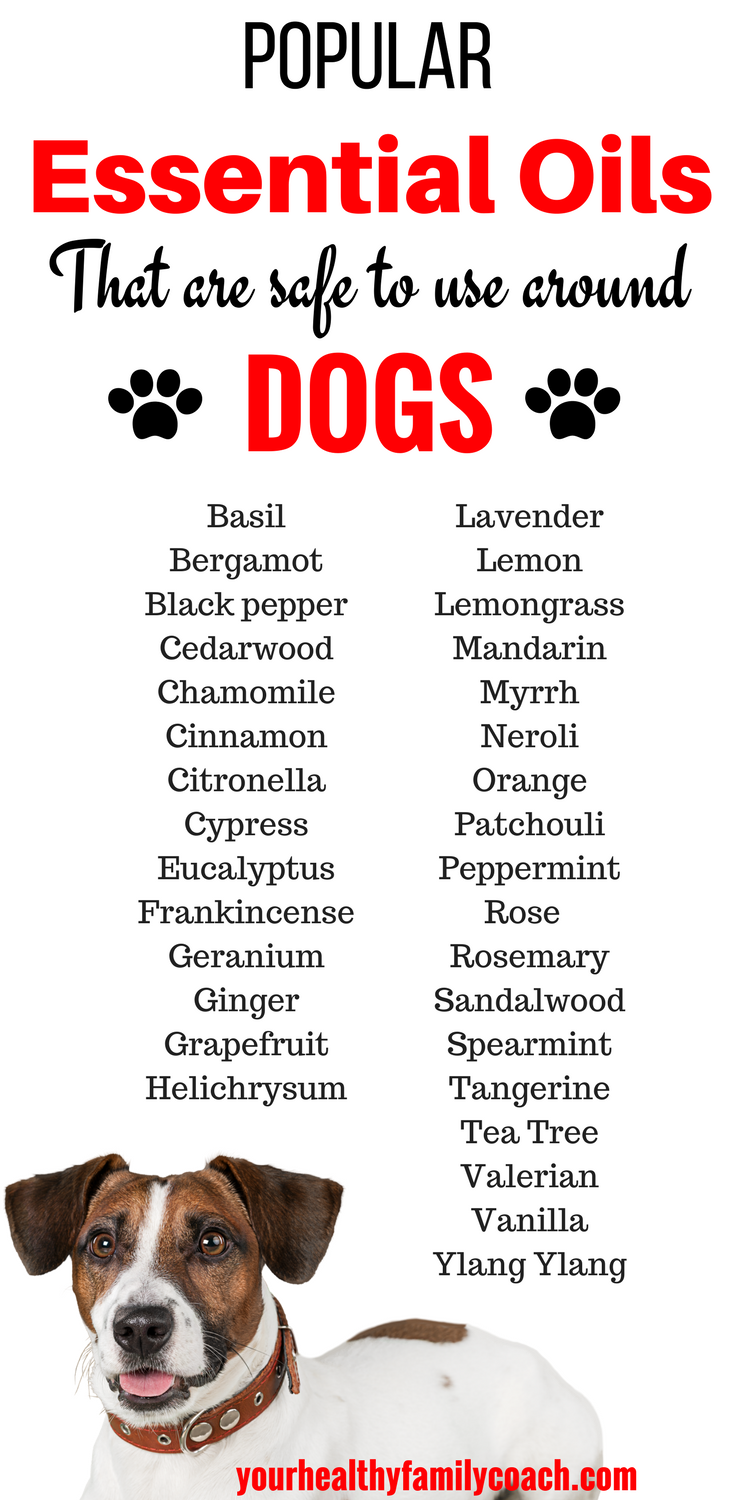
When used with caution and proper guidance, a handful of essential oils are considered safe for dogs. These oils have been studied or widely reported by veterinarians and pet aromatherapy experts as low-risk when diluted appropriately and used in moderation. Always consult your veterinarian before introducing any new oil, especially if your dog has pre-existing conditions like epilepsy, liver disease, or respiratory issues.
Lavender Oil
Lavender is one of the most commonly recommended essential oils for dogs due to its calming properties. It may help reduce anxiety during thunderstorms, travel, or vet visits. Studies suggest it can lower heart rate and promote relaxation without significant side effects when properly diluted. Use only high-quality, 100% pure lavender oil (Lavandula angustifolia), and never apply it directly to your dog’s skin.
Safe use includes diffusing in a well-ventilated room for short periods (10–15 minutes) or adding 1–2 drops to a carrier oil like coconut or olive oil for topical application on the chest or back of the neck. Avoid contact with eyes, nose, or mouth.
Chamomile Oil
Roman chamomile (Chamaemelum nobile) is gentle and soothing, making it ideal for dogs with sensitive skin or mild anxiety. It has anti-inflammatory and mild sedative effects, which can help with irritations or restlessness. German chamomile (Matricaria chamomilla) is also used but contains higher levels of azulene, which may be more potent—use with extra caution.
Like lavender, chamomile should always be diluted. A 0.25% to 0.5% dilution (1–2 drops per teaspoon of carrier oil) is recommended for topical use. Diffusing for brief intervals is generally safe, but monitor your dog for signs of discomfort.
Frankincense Oil
Frankincense (Boswellia serrata) is praised for its anti-inflammatory and immune-supporting properties. Some holistic veterinarians recommend it for older dogs with joint stiffness or mild arthritis. It’s considered one of the safer oils due to its low toxicity profile, but it should still be used sparingly.
Use only 1 drop diluted in a carrier oil for spot application on stiff joints. Never apply near the face or allow your dog to lick the area. Diffusing is acceptable in small amounts, but ensure your dog can leave the room if needed.
Cedarwood Oil
Cedarwood (Cedrus atlantica or Juniperus virginiana) has natural insect-repellent qualities and a grounding scent. It’s often used in pet-safe flea sprays and calming blends. Its mild aroma is less likely to overwhelm a dog’s sensitive nose compared to stronger oils like eucalyptus or peppermint.
When using cedarwood, dilute to 0.5% or less and apply to the base of the tail or between shoulder blades. Avoid use in pregnant or nursing dogs. Diffuse only in short sessions and in rooms where your dog isn’t confined.
Essential Oils That Are Toxic or Risky for Dogs
Just as important as knowing which oils are safe is recognizing which ones to avoid. Many popular essential oils are highly toxic to dogs, even in small doses. These oils should never be diffused, applied topically, or left accessible to pets.
Peppermint Oil
Peppermint contains high levels of menthol and pulegone, both of which can cause liver damage and central nervous system depression in dogs. Inhalation may lead to coughing, gagging, or difficulty breathing. Ingestion—even a few drops—can result in vomiting, diarrhea, or seizures.
Never use peppermint oil in diffusers if your dog is present. Avoid topical application entirely. If you use peppermint for cleaning, ensure the area is well-ventilated and your dog cannot lick surfaces.
Tea Tree Oil (Melaleuca)
Tea tree oil is one of the most dangerous essential oils for dogs. As little as 7 drops can cause severe toxicity, including muscle weakness, tremors, drooling, and even coma. It’s commonly found in shampoos and skin treatments marketed for pets, but many veterinarians warn against its use due to inconsistent purity and high risk of overdose.
If a product contains tea tree oil, check the concentration. Anything over 1% is considered risky. If your dog shows signs of exposure—lethargy, vomiting, or uncoordinated movement—seek emergency veterinary care immediately.
Eucalyptus Oil
Eucalyptus contains eucalyptol (1,8-cineole), a compound that can depress the central nervous system in dogs. Symptoms of exposure include drooling, vomiting, diarrhea, weakness, and respiratory distress. Even diffusing eucalyptus oil can be harmful if your dog is in the same room for extended periods.
Avoid all products containing eucalyptus, including chest rubs, cleaning sprays, and insect repellents. If you use eucalyptus for yourself, ensure your dog is in a separate, well-ventilated area.
Citrus Oils (Lemon, Orange, Grapefruit)
Citrus oils contain d-limonene and linalool, which can irritate a dog’s skin and cause gastrointestinal upset if ingested. While some commercial pet products use small amounts of citrus for fragrance, concentrated essential oils should be avoided.
Lemon oil, in particular, is highly toxic and has been linked to liver damage in dogs. Never diffuse citrus oils around pets or use them in homemade cleaners that your dog might lick or inhale.
Cinnamon, Clove, and Oregano Oils
These “hot” oils contain high levels of phenols and eugenol, which are extremely irritating to a dog’s mucous membranes and skin. They can cause chemical burns, respiratory irritation, and liver toxicity. Even small amounts can trigger severe reactions.
These oils should never be used around dogs—topically, aromatically, or in cleaning products. If accidentally exposed, rinse the area with mild soap and water and contact your vet.
Safe Usage Guidelines for Essential Oils Around Dogs
Using essential oils safely around dogs requires more than just choosing the right oil. How you use it matters just as much. Follow these best practices to minimize risk and maximize benefit.
Dilution Is Non-Negotiable
Never apply undiluted essential oils to your dog’s skin or fur. Always mix with a carrier oil such as fractionated coconut oil, jojoba, or sweet almond oil. A safe dilution ratio for dogs is 0.25% to 1%, depending on the oil and your dog’s size and health.
For example, a 0.5% dilution in 1 ounce (30 ml) of carrier oil equals about 3 drops of essential oil. Smaller or senior dogs may require even lower concentrations.
Diffusing: Less Is More
If you diffuse essential oils, do so in short bursts (10–15 minutes) and in a room where your dog can freely exit. Never force your dog to stay in a diffused room. Ensure the space is well-ventilated, and avoid diffusing daily or for long durations.
Use a high-quality ultrasonic diffuser that disperses oils into fine particles. Avoid nebulizing diffusers, which release concentrated vapor and increase inhalation risk.
Topical Application: Location Matters
When applying oils topically, choose areas where your dog cannot easily lick—such as the back of the neck, between shoulder blades, or base of the tail. Avoid sensitive areas like the face, ears, groin, or paws.
Always perform a patch test 24 hours before full application. Apply a small amount to a discreet area and watch for redness, itching, or swelling.
Monitor Your Dog Closely
Even safe oils can affect individual dogs differently. Watch for signs of discomfort: sneezing, coughing, watery eyes, excessive scratching, or behavioral changes like hiding or restlessness. If any of these occur, stop use immediately and ventilate the area.
Keep a journal of which oils you use, how they’re applied, and your dog’s reaction. This helps identify sensitivities and informs future decisions.
Special Considerations for Puppies, Senior Dogs, and Those with Health Conditions
Not all dogs tolerate essential oils the same way. Puppies under 10 weeks old, senior dogs, and those with chronic illnesses are at higher risk for adverse reactions.
Puppies and Young Dogs
Their livers and immune systems are still developing, making them more vulnerable to toxins. Avoid using essential oils on puppies under 16 weeks. If necessary, use only highly diluted lavender or chamomile under veterinary supervision.
Senior Dogs
Older dogs may have reduced liver or kidney function, slowing the metabolism of oils. Start with the lowest possible dilution and limit use to once or twice a week. Monitor for lethargy or digestive upset.
Dogs with Epilepsy or Seizure Disorders
Some essential oils, including rosemary and sage, can trigger seizures in susceptible dogs. Avoid all oils unless specifically approved by a veterinarian trained in integrative medicine.
Dogs with Respiratory Conditions
Brachycephalic breeds (like Bulldogs and Pugs) or dogs with asthma or bronchitis are especially sensitive to airborne irritants. Diffusing any oil—even safe ones—can worsen breathing. Use only under strict veterinary guidance.
Key Takeaways
- Only a few essential oils are considered safe for dogs, including lavender, chamomile, frankincense, and cedarwood—when used properly.
- Many popular oils like tea tree, peppermint, eucalyptus, and citrus are toxic and should be avoided entirely.
- Always dilute essential oils with a carrier oil before topical use—never apply undiluted.
- Diffuse oils in short sessions and in well-ventilated areas where your dog can leave freely.
- Puppies, senior dogs, and those with health conditions require extra caution—consult your vet first.
- Monitor your dog closely for any signs of discomfort or adverse reactions.
Frequently Asked Questions
Can I diffuse essential oils if my dog is in another room?
Yes, but only if the room is well-ventilated and your dog cannot enter. Even then, limit diffusion time and avoid strong or toxic oils. Better yet, diffuse only when your dog is outside or in a completely separate area.
Is it safe to use essential oil-based pet shampoos?
Some commercial pet shampoos contain diluted essential oils and are formulated for canine use. Check the ingredient list and avoid products with tea tree, eucalyptus, or citrus oils. If in doubt, choose fragrance-free or vet-recommended brands.
What should I do if my dog is exposed to a toxic essential oil?
If your dog shows signs of poisoning—vomiting, tremors, difficulty breathing—remove them from the source immediately. Rinse skin with mild soap and water, and contact your veterinarian or an emergency animal poison control hotline right away. Do not induce vomiting unless instructed by a professional.
Conclusion
Knowing what essential oils are safe to use around dogs empowers you to enjoy the benefits of aromatherapy without compromising your pet’s health. While lavender, chamomile, and a few others can be used responsibly, many oils remain off-limits due to their toxicity. Always prioritize safety: dilute properly, diffuse sparingly, and observe your dog’s reactions. When in doubt, consult a veterinarian familiar with integrative medicine. Your dog’s well-being is worth the extra care—because a happy, healthy pup deserves nothing less.