How to Reduce Dog Shedding Naturally Through Diet Changes
Is your dog leaving fur all over your couch, clothes, and floors—no matter how much you vacuum? You’re not alone. Excessive shedding is one of the most common concerns among dog owners. While some shedding is normal, especially during seasonal changes, much of it can be minimized naturally—starting with what your dog eats. The right diet changes can significantly reduce dog shedding, improve coat health, and boost overall well-being. In this guide, you’ll discover science-backed, natural dietary adjustments that target the root causes of shedding, so your pup stays fluffy where it counts—on their body, not your furniture.
Why Diet Matters for Dog Shedding
Shedding isn’t just about genetics or breed—it’s deeply connected to your dog’s internal health. Just like humans, dogs rely on proper nutrition to maintain healthy skin and fur. When their diet lacks essential nutrients, their coat becomes dry, brittle, and prone to excessive shedding. In fact, poor nutrition is one of the leading causes of abnormal hair loss in dogs.
The skin and coat are the largest organs in a dog’s body, and they require a steady supply of vitamins, minerals, fatty acids, and proteins to function properly. A diet deficient in these key nutrients can disrupt the hair growth cycle, leading to increased shedding, dull fur, and even skin irritation. By making targeted diet changes, you support your dog’s natural ability to grow a strong, shiny coat and shed less.
Moreover, many commercial dog foods contain fillers, artificial preservatives, and low-quality proteins that don’t meet a dog’s nutritional needs. Switching to a higher-quality, nutrient-dense diet can make a noticeable difference in shedding within weeks. The goal isn’t just to reduce fur on your floor—it’s to promote long-term skin and coat health from the inside out.
Key Nutrients That Reduce Dog Shedding
Not all dog foods are created equal. To reduce shedding naturally, focus on diets rich in specific nutrients that support skin and coat health. These aren’t just “nice-to-haves”—they’re essential for minimizing excessive fur loss.
Omega-3 and Omega-6 Fatty Acids
These healthy fats are the cornerstone of a healthy coat. Omega-3s, found in fish oil, flaxseed, and chia seeds, reduce inflammation and improve skin hydration. Omega-6s, present in poultry fat and sunflower oil, support skin barrier function. A balanced ratio of these fatty acids (ideally 5:1 to 10:1 Omega-6 to Omega-3) helps prevent dry, flaky skin—a major contributor to shedding.
Studies show that dogs fed diets supplemented with omega-3 fatty acids experience up to 25% less shedding and improved coat shine. Look for dog foods that list fish oil or flaxseed as ingredients, or consider adding a high-quality supplement after consulting your vet.
High-Quality Protein
Hair is made of keratin, a protein. Without adequate protein, your dog’s body can’t produce strong, healthy fur. Low-protein diets often lead to thinning coats and increased shedding. Choose dog foods with named animal proteins—like chicken, lamb, or salmon—listed as the first ingredient.
Avoid foods with vague terms like “meat meal” or “animal by-products,” which may contain low-quality protein sources. Adult dogs typically need 18–25% protein in their diet, while puppies and active breeds may require more. Ensuring your dog gets enough bioavailable protein supports the hair growth cycle and reduces breakage.
Vitamins A, E, and B-Complex
Vitamin A supports skin cell regeneration and sebum production, which keeps the coat moisturized. Deficiencies can lead to dry, itchy skin and excessive shedding. Vitamin E acts as an antioxidant, protecting skin cells from damage and promoting circulation to hair follicles.
B vitamins, especially biotin (B7), niacin (B3), and pyridoxine (B6), play a crucial role in metabolizing fats and proteins essential for coat health. Biotin, in particular, is often recommended for dogs with dull or shedding-prone fur. These vitamins are commonly found in eggs, liver, leafy greens, and whole grains.
Zinc and Selenium
Zinc is vital for skin repair and immune function. Dogs with zinc deficiencies often suffer from hair loss, especially around the face and paws. Selenium works with vitamin E to protect skin cells and support thyroid function, which indirectly affects coat quality.
Be cautious with supplementation—too much zinc can be toxic. It’s best to get these minerals from balanced, high-quality dog food rather than isolated supplements unless advised by a veterinarian.
Top Diet Changes to Reduce Shedding Naturally
Now that you know which nutrients matter, let’s explore practical diet changes you can make today to reduce your dog’s shedding naturally.
Switch to a High-Quality, Grain-Inclusive or Grain-Free Diet
Not all grains are bad—but some dogs thrive better on grain-free diets, especially if they have sensitivities. However, recent studies suggest that grain-free diets may be linked to heart issues in some breeds, so consult your vet before making the switch.
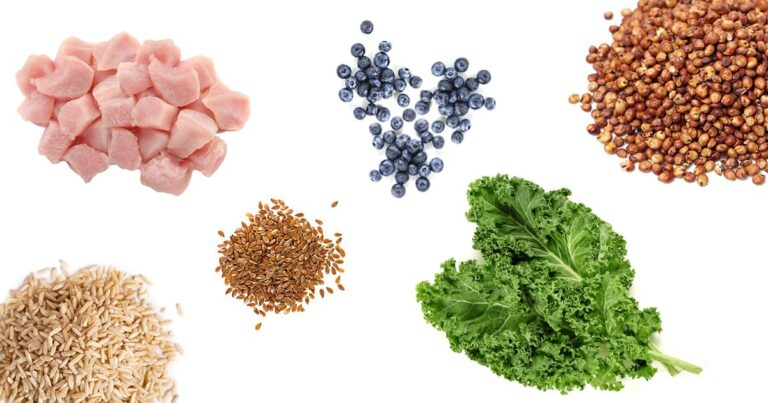
Focus on whole-food ingredients. Look for dog foods that include real meat, vegetables, and healthy fats. Avoid artificial colors, flavors, and preservatives like BHA and BHT, which can trigger allergic reactions and worsen skin conditions.
Brands that prioritize natural ingredients and minimal processing—such as those using cold-pressed or air-dried methods—tend to preserve more nutrients, benefiting your dog’s coat.
Add Fresh, Whole Foods to Their Meals
Supplementing your dog’s kibble with fresh foods can dramatically improve coat health. Cooked salmon, sardines, or mackerel are excellent sources of omega-3s. A small portion once or twice a week can make a big difference.
Eggs are another powerhouse—rich in protein, biotin, and lecithin. Feed a cooked egg (scrambled or boiled) 2–3 times per week. Avoid raw eggs regularly due to the risk of biotin deficiency from avidin, a protein in egg whites.
Vegetables like sweet potatoes, carrots, and spinach provide vitamins and antioxidants. Pumpkin is especially beneficial—it’s high in fiber and beta-carotene, which supports skin health. Always cook or puree vegetables for better digestion.
Introduce Natural Supplements
Even with a great diet, some dogs benefit from targeted supplements. Fish oil capsules designed for pets are one of the most effective ways to boost omega-3 intake. Choose products that are third-party tested for purity and free of mercury.
Coconut oil is another popular option. It contains lauric acid, which has antimicrobial properties and can improve skin hydration. Start with 1/4 teaspoon per 10 pounds of body weight daily, mixed into food. Monitor for digestive upset.
Biotin supplements are widely available and safe for dogs. Many holistic veterinarians recommend 2–5 mg per day for medium to large breeds. Always introduce supplements gradually and watch for any adverse reactions.
Ensure Proper Hydration
Dehydration can lead to dry skin and increased shedding. Make sure your dog has access to fresh, clean water at all times. Some dogs drink more when water is filtered or served in a flowing fountain.
You can also boost hydration by adding moisture-rich foods like bone broth (unsalted, onion-free) or wet food to their diet. Wet food contains up to 70% water, helping maintain skin elasticity and reduce flakiness.
Foods to Avoid to Prevent Excessive Shedding
Just as important as what you add to your dog’s diet is what you remove. Certain ingredients can trigger allergies, inflammation, and coat problems.
Artificial Additives and Fillers
Avoid dog foods with corn syrup, artificial dyes, and chemical preservatives. These can cause allergic reactions that manifest as itchy skin and hair loss. Fillers like corn, soy, and wheat offer little nutritional value and may contribute to food sensitivities.
Even “natural” flavors can be misleading. Read labels carefully and choose brands that disclose full ingredient sourcing.
Low-Quality Protein Sources
Meals labeled as “meat meal” or “by-product meal” may contain parts of animals not fit for human consumption. These proteins are less digestible and may lack the amino acids needed for healthy fur.
Stick to named meats like “chicken meal” or “salmon meal,” which are more consistent and nutritious.
Excessive Carbohydrates
While some carbs are fine, diets high in refined grains and starches can spike blood sugar and promote inflammation. Inflammation disrupts the hair growth cycle and can lead to increased shedding.
Opt for complex carbohydrates like brown rice, oats, or quinoa in moderation. These provide energy without the inflammatory response.
How Long Until You See Results?
Patience is key. Diet changes don’t work overnight. Most dogs begin to show improvements in coat quality and reduced shedding within 4 to 8 weeks. The hair growth cycle in dogs lasts about 12–16 weeks, so it takes time for new, healthier fur to grow in.
During this period, you may notice less fur on your brush, fewer clumps on the floor, and a shinier, softer coat. Some dogs also experience improved energy levels and digestion, indicating overall better health.
If shedding doesn’t improve after 8–10 weeks, consult your veterinarian. Underlying issues like hormonal imbalances, parasites, or skin infections may be contributing and require medical attention.
Key Takeaways
- Diet plays a crucial role in reducing dog shedding naturally. Proper nutrition supports skin and coat health from the inside out.
- Focus on omega-3 and omega-6 fatty acids, high-quality protein, and essential vitamins and minerals. These nutrients strengthen hair follicles and reduce breakage.
- Switch to high-quality dog food with whole-food ingredients. Avoid fillers, artificial additives, and low-grade proteins.
- Supplement with fresh foods like eggs, fish, and vegetables. These provide natural sources of key nutrients.
- Introduce supplements like fish oil or coconut oil cautiously. Always consult your vet before starting any new regimen.
- Stay consistent and patient. Results typically appear within 4–8 weeks as new, healthier fur grows in.
FAQ
Can changing my dog’s diet really reduce shedding?
Yes, absolutely. Since shedding is often linked to skin and coat health, improving your dog’s nutrition can significantly reduce excessive fur loss. A diet rich in omega-3s, protein, and essential vitamins supports a healthy hair growth cycle and minimizes breakage.
How much fish oil should I give my dog?
The general recommendation is 20–55 mg of EPA (an omega-3 fatty acid) per pound of body weight daily. For example, a 30-pound dog would need 600–1,650 mg of EPA per day. Always choose a high-quality, pet-specific fish oil and consult your vet for precise dosing.
Are there any risks to adding supplements to my dog’s diet?
While supplements can be beneficial, over-supplementation can cause issues. Too much vitamin A can lead to toxicity, and excessive zinc may result in anemia. Always follow dosage guidelines and consult your veterinarian before introducing new supplements, especially if your dog has underlying health conditions.
Conclusion
Reducing dog shedding naturally doesn’t require expensive treatments or harsh chemicals—just smarter diet choices. By focusing on nutrient-rich foods, eliminating harmful ingredients, and supporting your dog’s skin and coat with the right supplements, you can achieve a noticeable reduction in shedding and a healthier, happier pet.
Remember, every dog is unique. What works for one may not work for another. Pay attention to your dog’s individual response, stay consistent with dietary changes, and don’t hesitate to seek professional advice when needed. With the right nutrition, your dog’s coat will not only shed less—it will look and feel better than ever.