Home Remedies for Dog Itchy Skin That Actually Work
Does your dog constantly scratch, lick, or chew at their skin? You’re not alone. Millions of pet owners face this frustrating issue every year. The good news? There are home remedies for dog itchy skin that actually work—no expensive vet visits or harsh chemicals required. From soothing oatmeal baths to natural anti-inflammatory ingredients, simple solutions are often right in your kitchen or pantry.
This guide cuts through the noise and delivers proven, safe, and effective home treatments to relieve your dog’s itchiness fast. Whether the cause is dry skin, allergies, or environmental irritants, you’ll find practical, vet-approved strategies to restore your pup’s comfort naturally.
Why Is Your Dog So Itchy? Common Causes Explained
Before treating itchy skin, it’s essential to understand what’s causing it. While home remedies can provide relief, addressing the root cause ensures long-term results. Most cases of canine itchiness fall into a few key categories.
Allergies: The #1 Culprit
Environmental and food allergies are among the most common triggers. Pollen, dust mites, mold, and even certain proteins in dog food can spark an immune response that leads to intense itching. Dogs with atopic dermatitis often scratch their paws, belly, ears, and armpits.
Dry Skin and Weather Changes
Just like humans, dogs suffer from dry skin during cold, dry months. Indoor heating strips moisture from the air, leaving your dog’s coat brittle and itchy. Over-bathing with harsh shampoos can also strip natural oils, worsening the problem.
Parasites: Fleas, Mites, and Ticks
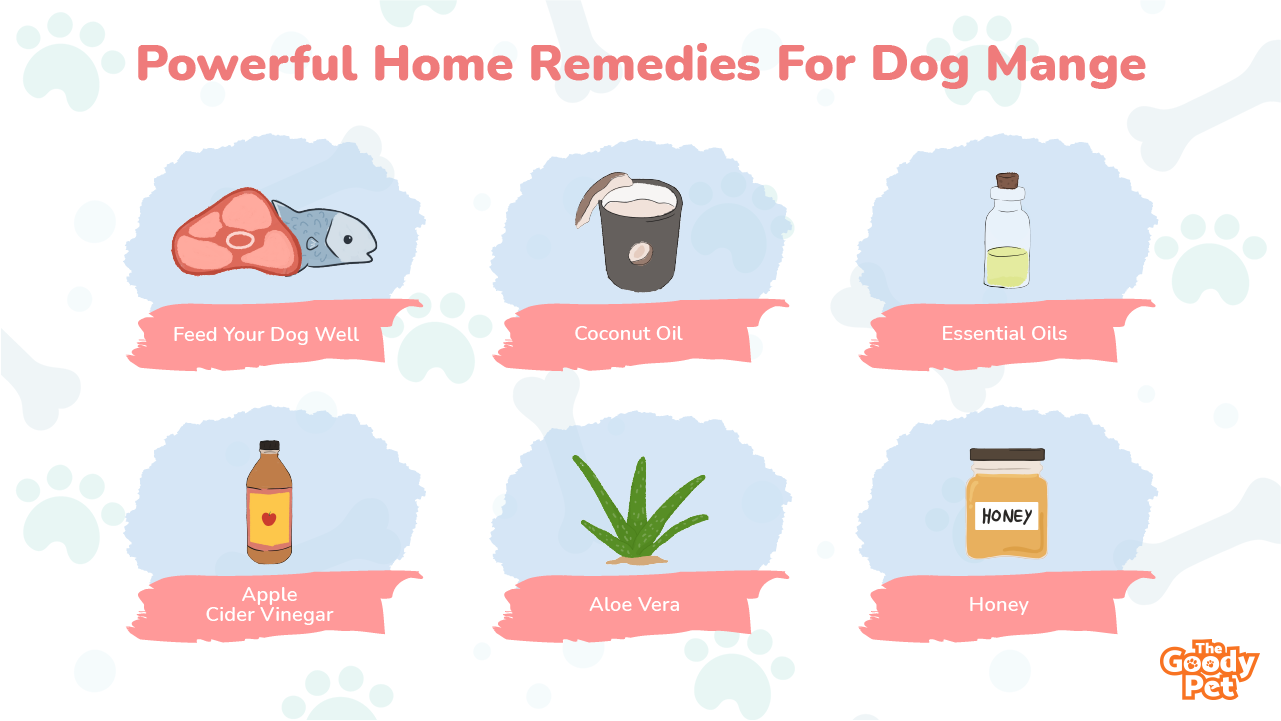
Even a single flea bite can cause severe itching in sensitive dogs. Ear mites, sarcoptic mange, and demodex can also lead to red, inflamed, and intensely itchy skin. Regular parasite prevention is key, but if an infestation occurs, home remedies can help soothe symptoms while you treat the underlying issue.
Yeast and Bacterial Infections
Yeast overgrowth—especially in warm, moist areas like ears, paws, and skin folds—can cause a foul odor, redness, and persistent itching. Bacterial infections often follow excessive scratching, creating a cycle of irritation.
Top 10 Home Remedies for Dog Itchy Skin That Actually Work
Now that you know the causes, let’s dive into the most effective, science-backed home remedies. These solutions are safe, affordable, and easy to prepare at home.
1. Oatmeal Baths: Nature’s Soothing Agent
Colloidal oatmeal is a time-tested remedy for itchy, inflamed skin. It contains compounds called avenanthramides, which reduce inflammation and relieve itching. Grind plain, unflavored oatmeal into a fine powder and mix it into lukewarm bathwater.
- Let your dog soak for 10–15 minutes.
- Pat dry gently—don’t rub.
- Use once or twice a week, depending on severity.
Avoid adding essential oils or fragrances, as they can irritate sensitive skin further.
2. Coconut Oil: Moisturize and Heal
Virgin coconut oil is a powerhouse for dry, itchy skin. It contains lauric acid, which has antimicrobial and anti-inflammatory properties. Apply a thin layer to affected areas 2–3 times daily.
- Use food-grade, unrefined coconut oil.
- Massage gently into the skin and coat.
- Can also be added to food (1/4 tsp per 10 lbs of body weight).
Many dogs enjoy the taste, and it supports healthy skin from the inside out.
3. Apple Cider Vinegar (Diluted): Balance Skin pH
Raw, unfiltered apple cider vinegar (ACV) helps restore the skin’s natural pH and fights yeast and bacteria. Never apply it undiluted—always mix 1 part ACV with 1 part water.
- Use a spray bottle to apply to itchy spots (avoid open wounds).
- Let it air dry—no rinsing needed.
- Use 2–3 times per week.
ACV can sting if applied to raw or broken skin, so test a small area first.
4. Aloe Vera Gel: Cool and Calm Inflammation
Fresh aloe vera gel from the plant (not store-bought products with additives) is excellent for soothing irritated skin. It reduces redness, promotes healing, and provides instant cooling relief.
- Break open a leaf and apply the clear gel directly.
- Use 2–3 times daily on affected areas.
- Ensure your dog doesn’t ingest large amounts—small doses are safe, but too much can cause diarrhea.
Never use aloe products containing alcohol or fragrances.
5. Chamomile Tea Rinse: Gentle Anti-Inflammatory
Chamomile has natural anti-inflammatory and antiseptic properties. Brew a strong cup of chamomile tea, let it cool completely, and use it as a rinse after bathing.
- Pour over your dog’s coat, focusing on itchy areas.
- No need to rinse—let it dry naturally.
- Can also be used as a spray for spot treatment.
This remedy is especially helpful for dogs with sensitive skin or allergies.
6. Baking Soda Paste: Relieve Itch and Odor
Baking soda neutralizes odors and reduces itching by balancing skin pH. Mix with a small amount of water to form a paste and apply to itchy spots.
- Leave on for 10–15 minutes, then rinse.
- Use no more than twice a week to avoid drying out the skin.
- Great for hot spots and minor rashes.
Do not use on broken skin or open wounds.
7. Omega-3 Fatty Acids: Boost Skin Health from Within
Omega-3s reduce inflammation and improve skin barrier function. You can add fish oil or flaxseed oil to your dog’s diet.
- Choose high-quality, pet-safe fish oil supplements.
- Dosage: ~1000 mg per 20–30 lbs of body weight daily.
- Flaxseed oil is a plant-based alternative (less potent but still beneficial).
Consistency is key—results may take 4–6 weeks to appear.
8. Cucumber Slices: Cool and Hydrate
Cool cucumber slices provide instant relief for itchy paws and skin. The high water content and natural cooling effect soothe inflammation.
- Chill cucumber slices in the fridge.
- Rub gently on itchy areas or let your dog lick them.
- Safe and refreshing—especially in summer.
A simple, no-mess remedy that dogs often enjoy.
9. Green Tea Rinse: Antioxidant Power
Green tea is rich in antioxidants and has anti-inflammatory properties. Brew a cup, let it cool, and use as a final rinse after bathing.
- Pour over the coat, especially ears and paws.
- Let dry naturally.
- Can also be sprayed on itchy spots.
Green tea helps reduce yeast overgrowth and calms irritated skin.
10. Probiotics: Support Gut and Skin Health
Emerging research shows a strong gut-skin connection. Probiotics help balance gut bacteria, which can reduce allergic reactions and improve skin health.
- Use dog-specific probiotic supplements or plain, unsweetened yogurt (in moderation).
- Look for strains like Lactobacillus and Bifidobacterium.
- Consistent use supports long-term skin resilience.
A healthy gut often means healthier skin.
How to Prevent Itchy Skin in Dogs
While home remedies offer relief, prevention is always better than cure. Here’s how to keep your dog’s skin healthy year-round.
Maintain a Consistent Bathing Routine
Over-bathing dries out the skin; under-bathing allows allergens to build up. Most dogs only need a bath every 4–6 weeks. Use a gentle, hypoallergenic shampoo designed for dogs.
Brush Regularly
Daily brushing removes dead skin, distributes natural oils, and prevents matting. It also gives you a chance to spot early signs of irritation or parasites.
Use a Humidifier in Winter
Indoor heating dries the air and your dog’s skin. A humidifier adds moisture back into the environment, reducing dryness and itchiness.
Wash Bedding Weekly
Dust mites and allergens love pet beds. Wash bedding in hot water weekly to keep irritants at bay.
Choose the Right Diet
High-quality dog food with real meat, healthy fats, and no fillers supports skin health. Avoid foods with artificial colors, preservatives, or common allergens like corn and soy.
Regular Vet Checkups
Even with the best home care, some skin issues require professional diagnosis. Annual vet visits help catch problems early and ensure your dog’s overall health.
When to See a Vet: Red Flags You Can’t Ignore
While home remedies are effective for mild to moderate itching, some symptoms require immediate veterinary attention.
- Open sores, bleeding, or pus
- Hair loss in patches
- Persistent scratching despite treatment
- Swollen, red, or smelly ears
- Lethargy, loss of appetite, or behavioral changes
These could indicate infections, hormonal imbalances (like hypothyroidism), or severe allergies that need prescription treatment.
Key Takeaways
- Home remedies for dog itchy skin that actually work include oatmeal baths, coconut oil, apple cider vinegar (diluted), aloe vera, and omega-3 supplements.
- Identify the root cause—allergies, dry skin, parasites, or infections—to choose the right remedy.
- Consistency and prevention are key: regular grooming, a healthy diet, and clean living spaces reduce itchiness long-term.
- Always use natural, pet-safe ingredients and avoid harsh chemicals or undiluted substances.
- Consult your vet if symptoms persist or worsen, especially with open wounds or behavioral changes.
Frequently Asked Questions
Can I use human anti-itch creams on my dog?
No. Human creams often contain ingredients like hydrocortisone or lidocaine that can be toxic to dogs if ingested. Always use pet-specific products or natural remedies approved by your vet.
How long does it take for home remedies to work?
Most dogs show improvement within 3–5 days of consistent use. However, chronic conditions like allergies may take weeks to fully resolve. Patience and consistency are essential.
Is it safe to give my dog apple cider vinegar internally?
In small, diluted amounts (1 tsp per 20 lbs of body weight, mixed with food or water), ACV is generally safe. However, consult your vet first, especially if your dog has kidney issues or is on medication.
Final Thoughts
Itchy skin doesn’t have to mean endless scratching and discomfort for your dog. With the right home remedies for dog itchy skin that actually work, you can provide fast, natural relief and improve your pet’s quality of life. From soothing oatmeal baths to nourishing coconut oil and gut-supporting probiotics, these solutions are safe, effective, and easy to implement.
Remember, every dog is different. What works for one may not work for another. Start with one remedy at a time, monitor your dog’s response, and adjust as needed. And when in doubt, always consult your veterinarian.
Your dog deserves to feel comfortable in their own skin. With a little care and the right natural approach, you can help them itch less and live more.