What Can I Give My Dog for an Upset Stomach at Home?
Your dog is vomiting, has diarrhea, or seems lethargic after a meal—what can you give your dog for an upset stomach at home? The good news is that many mild digestive upsets in dogs can be safely managed at home with simple, vet-approved remedies. From fasting to bland diets and natural supplements, there are several effective ways to soothe your pup’s tummy without rushing to the clinic—unless symptoms persist or worsen.
This guide covers safe, practical, and science-backed home treatments for canine stomach issues. You’ll learn exactly what to feed (and what to avoid), how long to wait before reintroducing food, and when it’s time to call the vet. Whether your dog ate something they shouldn’t have or is dealing with stress-related indigestion, you’ll find clear, actionable advice tailored to real-life situations.
Understanding Your Dog’s Upset Stomach: Causes and Symptoms
Before treating your dog’s upset stomach, it’s important to understand what might be causing it. Dogs are curious eaters—they’ll sniff, lick, and swallow just about anything. Common triggers include dietary indiscretion (eating garbage, spoiled food, or human snacks), sudden diet changes, food allergies, infections, parasites, or even stress and anxiety.
Watch for these key symptoms:
- Vomiting (especially if frequent or containing blood)
- Diarrhea (loose, watery, or mucus-filled stools)
- Lethargy or weakness
- Loss of appetite
- Excessive drooling or lip-licking
- Abdominal discomfort (whining, restlessness, or a hunched posture)
Most mild cases resolve within 24–48 hours with home care. However, if your dog shows signs of dehydration (dry gums, sunken eyes, or reduced skin elasticity), has persistent vomiting or diarrhea beyond two days, or appears in pain, seek veterinary attention immediately.
What Can I Give My Dog for an Upset Stomach at Home? Safe and Effective Remedies
When your dog has an upset stomach, the goal is to rest the digestive system, prevent dehydration, and gradually reintroduce food. Here are the most trusted home remedies used by pet owners and veterinarians alike.
1. Fasting: Let the Stomach Rest
The first step in treating a mild stomach upset is a short-term fast. Just like humans, dogs benefit from giving their digestive system a break. Withhold food for 12 to 24 hours—but always allow access to fresh water.
Fasting helps reduce vomiting and allows the gastrointestinal tract to calm down. However, do not fast puppies under six months, nursing dogs, or dogs with underlying health conditions like diabetes. For these pets, consult your vet before making any changes.
2. Hydration: Prevent Dehydration with Electrolytes
Dehydration is a serious risk during vomiting or diarrhea. Encourage your dog to drink small amounts of water frequently. If your dog refuses water or continues to vomit, offer an oral rehydration solution.
You can make a simple homemade electrolyte mix:
- 1 cup of water
- 1/2 teaspoon of salt
- 1/2 teaspoon of baking soda
- 1–2 teaspoons of honey or sugar (for energy)
Stir well and offer a few teaspoons every 30–60 minutes. Alternatively, use a vet-approved product like Pedialyte (unflavored, without added sugar or xylitol).
3. Bland Diet: Reintroduce Food Gradually
After fasting, it’s time to reintroduce food—but not their regular kibble. Start with a bland, easily digestible diet for 1–2 days.
The classic bland diet includes:
- Boiled, skinless chicken breast (no bones, skin, or seasoning)
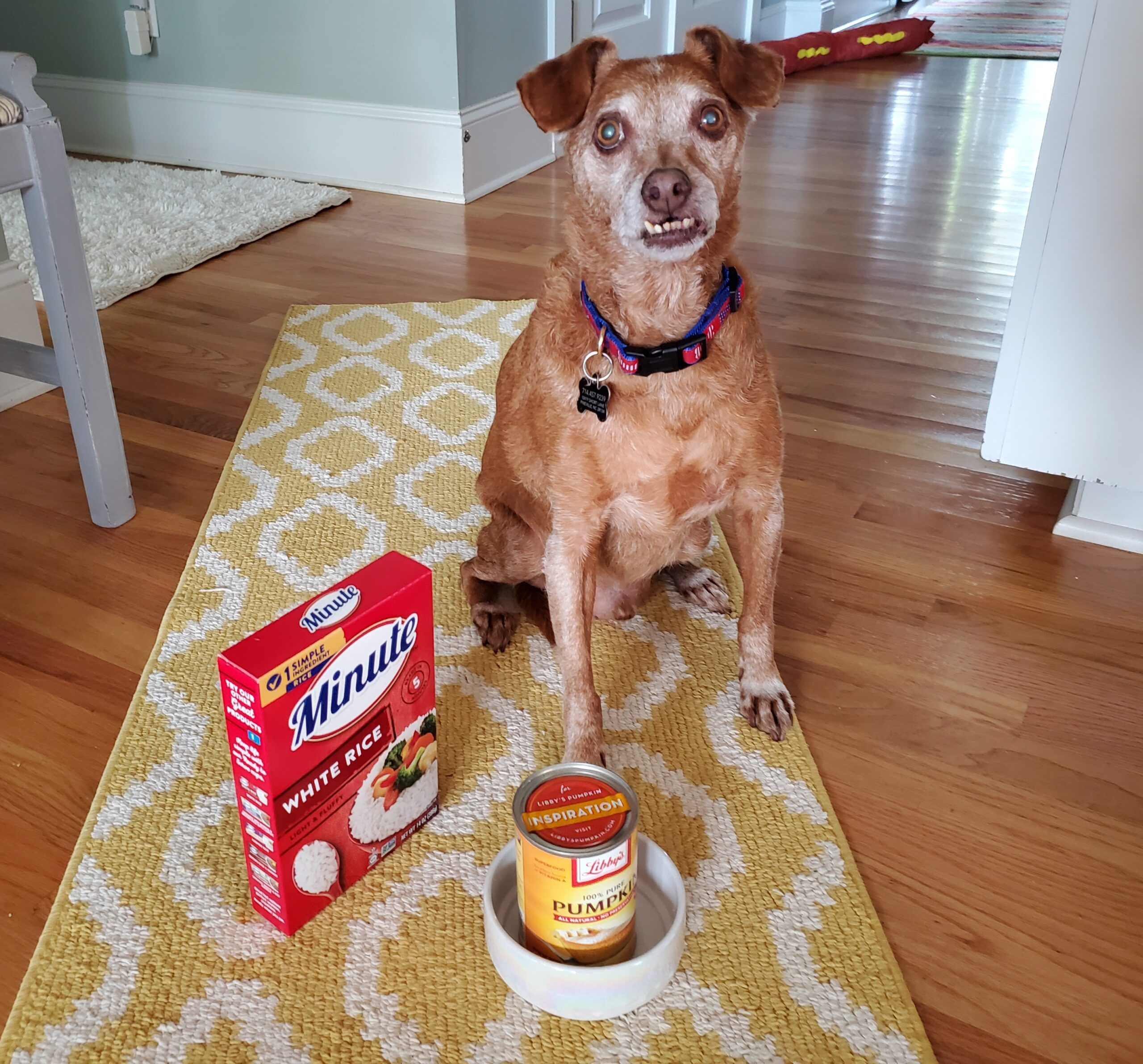
- Plain white rice (cooked without butter or oil)
Mix one part chicken to two parts rice. Feed small portions (about 1 tablespoon per 5 pounds of body weight) every 3–4 hours. This gives the stomach time to adjust without overwhelming it.
Other safe options include plain cooked turkey, boiled sweet potatoes, or plain pumpkin puree (not pie filling—just 100% pumpkin).
4. Pumpkin: A Natural Fiber Boost
Pure canned pumpkin (not pumpkin pie mix) is a go-to remedy for both diarrhea and constipation in dogs. It’s rich in soluble fiber, which helps firm up stools and soothe the gut.
Give 1–4 tablespoons per meal, depending on your dog’s size. Small dogs (under 20 lbs) can have 1–2 teaspoons, while larger dogs can have up to 1–2 tablespoons. Mix it into their bland food or offer it plain.
Pumpkin also supports healthy digestion long-term, making it a great addition to your dog’s diet even when they’re feeling fine.
5. Probiotics: Restore Gut Balance
An upset stomach often disrupts the balance of good bacteria in your dog’s gut. Probiotics can help restore that balance and speed up recovery.
Look for dog-specific probiotic supplements containing strains like Lactobacillus and Bifidobacterium. Many are available as powders, chews, or capsules. You can also find probiotic-rich foods like plain, unsweetened yogurt (in small amounts), but only if your dog isn’t lactose intolerant.
Avoid human probiotics unless specifically recommended by your vet—some strains aren’t safe for dogs.
6. Bone Broth: Nutritious and Soothing
Homemade bone broth is another excellent option for dogs with sensitive stomachs. It’s hydrating, nutrient-rich, and easy to digest.
To make dog-safe bone broth:
- Simmer beef, chicken, or turkey bones (raw or cooked) in water for 12–24 hours
- Add a splash of apple cider vinegar to help extract minerals
- Strain thoroughly to remove all bone fragments
- Cool and serve warm (never hot)
Never use onions, garlic, or excessive salt—these are toxic to dogs. Store broth in the fridge for up to 5 days or freeze in ice cube trays for easy dosing.
Foods and Substances to Avoid When Your Dog Has an Upset Stomach
While it’s important to know what to give your dog, it’s equally crucial to avoid harmful foods and substances that can worsen their condition.
Never give your dog:
- Human medications like ibuprofen, acetaminophen, or aspirin—these are extremely toxic and can be fatal.
- Dairy products (except small amounts of plain yogurt), as many dogs are lactose intolerant.
- Fatty or greasy foods like bacon, fried chicken, or butter—these can trigger pancreatitis.
- Onions, garlic, and chives—even small amounts can damage red blood cells.
- Xylitol (found in sugar-free gum, peanut butter, and some medications)—this causes rapid insulin release and liver failure in dogs.
- Chocolate, grapes, raisins, and macadamia nuts—all are highly toxic.
Also avoid giving your dog over-the-counter antacids or anti-diarrheal medications unless prescribed by a vet. These can mask symptoms and lead to complications.
When to Call the Vet: Red Flags You Shouldn’t Ignore
While many stomach upsets resolve with home care, some symptoms require immediate veterinary attention. Don’t wait if your dog shows any of the following:
- Vomiting more than twice in 24 hours or vomiting blood
- Diarrhea lasting more than 48 hours or containing blood or black, tarry stools
- Severe lethargy, weakness, or collapse
- Abdominal swelling or pain (panting, whining, or refusing to lie down)
- Signs of dehydration (dry nose, sticky gums, sunken eyes, or poor skin elasticity)
- Refusal to drink water for more than 12 hours
- Suspected ingestion of a toxic substance (e.g., chocolate, medication, or antifreeze)
Puppies, senior dogs, and dogs with chronic conditions (like kidney disease or diabetes) are at higher risk for complications and should be seen by a vet sooner rather than later.
Preventing Future Stomach Issues: Tips for a Healthier Gut
Once your dog recovers, take steps to prevent future episodes. A healthy digestive system starts with consistent care and smart choices.
Stick to a Consistent Diet
Sudden changes in food can upset your dog’s stomach. If you need to switch brands or formulas, do it gradually over 7–10 days. Mix increasing amounts of the new food with decreasing amounts of the old.
Feed High-Quality, Digestible Food
Choose dog food with high-quality protein sources, limited fillers, and added probiotics or prebiotics. Look for labels that say “easily digestible” or “sensitive stomach formula.”
Limit Table Scraps and Treats
Human food is a common cause of digestive upset. Stick to dog-safe treats and avoid giving leftovers, especially fatty or spicy foods.
Keep the Environment Safe
Store garbage, cleaning supplies, and human medications out of reach. Use pet-proof trash cans and supervise your dog during walks to prevent scavenging.
Manage Stress and Anxiety
Stress can trigger stomach issues in dogs. Provide a calm environment, regular exercise, and mental stimulation. Consider calming aids like pheromone diffusers or anxiety wraps if your dog is prone to nervousness.
Key Takeaways: What to Remember About Treating Your Dog’s Upset Stomach at Home
- For mild stomach upsets, start with a 12–24 hour fast, followed by a bland diet of boiled chicken and rice.
- Keep your dog hydrated with water or a homemade electrolyte solution.
- Add pumpkin or probiotics to support digestion and gut health.
- Avoid human medications, fatty foods, and toxic substances like chocolate or xylitol.
- Monitor symptoms closely—seek veterinary care if vomiting, diarrhea, or lethargy persist beyond 48 hours.
- Prevent future issues with a consistent diet, safe environment, and stress management.
FAQ: Common Questions About Dogs and Upset Stomachs
Can I give my dog Pepto-Bismol for an upset stomach?
Pepto-Bismol (bismuth subsalicylate) is sometimes used in dogs under veterinary guidance, but it’s not safe for all dogs. It contains salicylates, which are related to aspirin and can be harmful in certain breeds or with underlying conditions. Never give it without consulting your vet first.
How long should I wait before feeding my dog after vomiting?
Wait at least 6–12 hours after the last vomiting episode before offering food. Start with small amounts of water, then gradually introduce a bland diet once your dog can keep water down.
Is rice good for dogs with diarrhea?
Yes, plain white rice is gentle on the stomach and helps bind stools. Cook it plain—no salt, butter, or oil—and mix it with boiled chicken for a soothing meal. Brown rice is harder to digest and not recommended during recovery.
Final Thoughts: Be Prepared, Stay Calm, and Act Wisely
Knowing what can I give my dog for an upset stomach at home empowers you to act quickly and confidently when your furry friend isn’t feeling well. Most cases are mild and resolve with simple care, but vigilance is key. Always prioritize hydration, avoid harmful substances, and don’t hesitate to contact your veterinarian if something feels off.
Keep a pet first-aid kit handy with essentials like plain pumpkin, probiotics, and a digital thermometer. And remember—your dog relies on you to make the right choices. With the right knowledge and a little preparation, you can help your pup feel better faster and keep their tail wagging for years to come.