How to Calm a Hyperactive Dog Without Medication
Does your dog bounce off the walls, bark nonstop, or seem unable to settle—even after a long walk? You’re not alone. Many dog owners struggle with hyperactivity, and while medication is an option, it’s not always necessary or preferred. The good news? There are proven, natural ways to calm a hyperactive dog without medication. From structured routines to mental stimulation and environmental adjustments, this guide will walk you through practical, science-backed strategies to help your energetic pup find balance—safely and effectively.
Understanding Canine Hyperactivity: More Than Just Energy
Hyperactivity in dogs isn’t just about being “full of energy.” It’s often a sign of underlying issues like boredom, anxiety, lack of training, or even poor diet. Unlike normal exuberance, hyperactive behavior includes excessive pacing, destructive chewing, constant barking, inability to relax, and impulsive reactions to stimuli. These behaviors can strain the human-dog bond and make daily life stressful for both of you.
Before jumping to conclusions, it’s important to rule out medical causes. Conditions like thyroid imbalances, pain, or neurological disorders can mimic hyperactivity. Always consult your veterinarian first to ensure your dog is physically healthy. Once medical issues are ruled out, you can focus on behavioral and lifestyle solutions that don’t rely on pharmaceuticals.
Hyperactivity is often misinterpreted as disobedience. In reality, many hyperactive dogs are simply under-stimulated or over-aroused. They don’t know how to self-regulate. The goal isn’t to suppress their personality but to teach them calmness through consistency, engagement, and positive reinforcement.
Establish a Consistent Daily Routine
Dogs thrive on predictability. A structured daily routine provides a sense of security and helps regulate their energy levels. When a dog knows what to expect—when meals happen, when walks occur, when quiet time begins—they’re less likely to become anxious or overexcited.
Start by mapping out a schedule that includes feeding times, exercise sessions, training periods, and relaxation windows. Stick to the same times each day, even on weekends. Consistency signals to your dog that the environment is stable, reducing the need for frantic behavior.
For example, a typical routine might include a morning walk, breakfast, a midday training session, an afternoon playtime, dinner, and a calm evening wind-down. This rhythm helps prevent energy buildup and teaches your dog when it’s time to be active and when it’s time to rest.
Why Routine Works
Routine reduces uncertainty, which is a major trigger for anxiety in dogs. When a dog feels safe and knows what’s coming next, their nervous system calms down. Over time, this predictability lowers cortisol levels—the stress hormone—and promotes a more balanced emotional state.
Additionally, a set schedule makes it easier to monitor your dog’s behavior. You’ll quickly notice if something disrupts their pattern, such as a change in diet or environment, allowing you to adjust accordingly.
Prioritize Physical Exercise
One of the most effective ways to calm a hyperactive dog is through regular, vigorous physical exercise. A tired dog is a calm dog. But not all exercise is created equal. A quick backyard potty break won’t cut it—your dog needs sustained, engaging activity to burn off excess energy.
Aim for at least 30 to 60 minutes of active exercise daily, depending on your dog’s breed, age, and health. High-energy breeds like Border Collies, Australian Shepherds, and Jack Russell Terriers may need even more. Activities like brisk walking, jogging, fetch, agility training, or swimming are excellent options.
Exercise isn’t just about physical exertion—it also provides mental stimulation. Dogs who run, jump, and explore are less likely to develop compulsive behaviors like spinning, digging, or excessive barking.
Timing Matters
When you exercise your dog can be just as important as how much. Morning exercise helps set a calm tone for the day, while an evening session can prevent nighttime restlessness. Avoid intense activity right before bedtime, as it may overstimulate your dog and make settling down harder.
Instead, follow vigorous play with a quiet activity, like chewing a safe toy or practicing relaxation cues. This helps transition your dog from high energy to a relaxed state.
Boost Mental Stimulation
Physical exercise alone isn’t enough. Hyperactive dogs often have under-stimulated minds. Mental exhaustion can be just as effective—and sometimes more so—than physical tiredness in promoting calmness.
Engage your dog’s brain with puzzle toys, scent games, obedience training, and trick learning. These activities require focus and problem-solving, which tire the mind and reduce impulsive behavior.
For example, hide treats around the house and encourage your dog to find them using their nose. Or use a food-dispensing toy that requires manipulation to release kibble. These tasks keep your dog occupied and mentally satisfied.
Training as Mental Exercise
Obedience training is a powerful tool for calming hyperactive dogs. Commands like “sit,” “stay,” “leave it,” and “down” require attention and self-control. Practicing these regularly strengthens your dog’s impulse control and builds confidence.
Short, frequent training sessions (5–10 minutes, 2–3 times a day) are more effective than long, infrequent ones. Always end on a positive note with praise or a small reward. Over time, your dog will learn to focus and respond calmly, even in distracting environments.
Teach Calmness Through Relaxation Training
One of the most transformative skills you can teach your dog is how to relax on command. This is called relaxation training or “capturing calmness.” The goal is to help your dog learn to settle voluntarily, even when excited or overstimulated.
Start in a quiet, low-distraction environment. Wait for your dog to naturally lie down and relax—perhaps after a walk or play session. The moment they settle, mark the behavior with a clicker or a calm “yes,” then reward with a treat or gentle praise.
Repeat this process daily, gradually increasing the duration of calmness before rewarding. Over time, your dog will associate lying down with positive outcomes and begin to choose calm behavior more often.
Introduce a “Settle” Cue
Once your dog consistently relaxes on their own, introduce a verbal cue like “settle” or “calm.” Say the word just as they begin to relax, then reward. With repetition, your dog will learn to respond to the cue by settling down, even in stimulating situations.
This technique is especially useful during thunderstorms, visitors arriving, or other high-arousal moments. It gives your dog a clear, achievable behavior to focus on instead of reacting impulsively.
Optimize Your Dog’s Environment
The environment plays a huge role in your dog’s behavior. A chaotic, noisy, or cluttered space can overstimulate a hyperactive dog and make calmness nearly impossible. Creating a calming environment involves reducing triggers and providing safe spaces for relaxation.
Start by minimizing loud noises, sudden movements, and excessive foot traffic. If your dog is sensitive to sounds, consider playing soft classical music or white noise to mask disruptive noises like traffic or construction.
Designate a quiet “zen zone” where your dog can retreat when overwhelmed. This could be a crate, a cozy corner with a bed, or a room with minimal distractions. Make it inviting with soft bedding, familiar scents, and a favorite toy.
Use Calming Scents
Aromatherapy can have a subtle but powerful effect on canine behavior. Lavender, chamomile, and valerian root are known for their calming properties. Use dog-safe diffusers or sprays in your dog’s relaxation area.
Never use essential oils directly on your dog or in high concentrations. Always choose products specifically formulated for pets and consult your vet if you’re unsure.
Improve Diet and Nutrition
What your dog eats directly impacts their behavior. A poor diet high in fillers, artificial additives, or excessive carbohydrates can contribute to hyperactivity and mood swings. Switching to a high-quality, balanced diet can make a noticeable difference.
Look for dog foods with real meat as the first ingredient, minimal processing, and no artificial colors or preservatives. Omega-3 fatty acids (found in fish oil) support brain health and may reduce anxiety. Probiotics can also improve gut health, which is linked to mood regulation.
Avoid feeding your dog right before high-energy activities or bedtime. Instead, feed meals at consistent times, allowing time for digestion before exercise or sleep.
Consider Natural Supplements
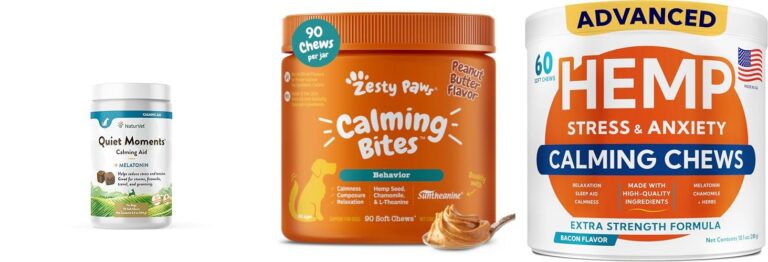
While we’re avoiding medication, certain natural supplements can support calmness without side effects. Options like L-theanine, melatonin (for short-term use), and CBD oil (where legal and vet-approved) have shown promise in reducing anxiety and promoting relaxation.
Always consult your veterinarian before introducing any supplement. Dosage and safety vary by dog size, breed, and health status.
Use Positive Reinforcement, Not Punishment
Hyperactive dogs often receive scolding or punishment for their behavior, which can backfire. Punishment increases stress and confusion, making hyperactivity worse. Instead, focus on rewarding calm, desired behaviors.
When your dog sits quietly, walks calmly on a leash, or rests instead of jumping, immediately praise and reward them. This reinforces the behavior you want to see more of.
Ignore or redirect unwanted behaviors rather than reacting with frustration. For example, if your dog jumps on guests, turn away and only give attention when all four paws are on the ground.
Redirect Energy Constructively
Instead of suppressing energy, channel it into appropriate outlets. If your dog tends to chew furniture, provide durable chew toys. If they bark at noises, teach a “quiet” command and reward silence.
Redirection teaches your dog that calm behavior leads to good things, while impulsive actions lead to nothing—or even loss of attention.
Manage Overstimulation and Triggers
Hyperactive dogs are often easily overstimulated by sights, sounds, or interactions. Identifying and managing these triggers is key to preventing meltdowns.
Common triggers include doorbells, other dogs, children running, or even certain textures underfoot. Once you know what sets your dog off, you can gradually desensitize them through controlled exposure.
For example, if your dog barks at the mail carrier, start by playing a recording of a doorbell at a low volume while rewarding calm behavior. Gradually increase the volume over days or weeks, always pairing it with positive experiences.
Practice Calm Greetings
Many dogs become hyperactive when greeting people or other animals. Teach your dog to sit and stay before receiving attention. This simple rule reduces excitement and builds impulse control.
Ask visitors to ignore your dog until they’re calm. Once your dog is sitting quietly, they can receive pets or treats. This teaches that calmness, not chaos, earns rewards.
Key Takeaways
- Hyperactivity in dogs is often due to boredom, anxiety, or lack of structure—not just excess energy.
- A consistent daily routine helps regulate your dog’s energy and reduces anxiety.
- Regular physical and mental exercise are essential for calming a hyperactive dog.
- Relaxation training teaches your dog to settle on command, even in stimulating situations.
- Environmental adjustments, diet, and positive reinforcement play major roles in promoting calmness.
- Always rule out medical issues with your vet before addressing behavioral concerns.
FAQ: How to Calm a Hyperactive Dog Without Medication
Can hyperactivity in dogs be cured naturally?
Yes, in many cases, hyperactivity can be significantly reduced or managed naturally through lifestyle changes, training, and environmental adjustments. While some dogs may always be more energetic, they can learn to channel their energy appropriately and remain calm in daily situations.
How long does it take to see improvements?
Improvements can be seen within a few weeks with consistent effort. Some dogs respond quickly to routine and exercise, while others may take a month or more to fully adjust. Patience and consistency are key.
Is it okay to use calming supplements?
Natural supplements like L-theanine or CBD can be helpful when used responsibly and under veterinary guidance. They are not a substitute for training or lifestyle changes but can support overall calmness when combined with other strategies.
Conclusion
Calming a hyperactive dog without medication is not only possible—it’s often the healthiest and most sustainable approach. By understanding the root causes of hyperactivity and implementing structured routines, physical and mental exercise, relaxation training, and positive reinforcement, you can help your dog find balance and peace.
Remember, every dog is unique. What works for one may need adjustment for another. Stay patient, stay consistent, and celebrate small victories along the way. With time and care, your energetic pup can learn to be calm, confident, and deeply connected to you—without the need for medication.