Is Fish Oil Good for Dogs? How Much to Give – A Complete Guide
Yes, fish oil is good for dogs — when given correctly. Rich in omega-3 fatty acids like EPA and DHA, fish oil supports your dog’s skin, coat, joints, heart, and brain health. But the real question isn’t just whether it’s beneficial; it’s how much to give, which type to choose, and when it might do more harm than good. This guide cuts through the noise to deliver science-backed, practical advice on safely incorporating fish oil into your dog’s diet.
Why Fish Oil Benefits Dogs
Fish oil isn’t just a trendy supplement — it’s a powerhouse of essential nutrients that dogs can’t produce on their own. The primary active ingredients, eicosapentaenoic acid (EPA) and docosahexaenoic acid (DHA), are long-chain omega-3 fatty acids with proven anti-inflammatory properties. These compounds play a critical role in regulating immune responses, reducing joint stiffness, and supporting cognitive function.
Unlike plant-based omega-3s (like those from flaxseed), fish oil provides preformed EPA and DHA, which are more readily absorbed and utilized by a dog’s body. This bioavailability makes fish oil one of the most effective dietary additions for improving overall canine wellness.
Research shows that regular supplementation can reduce symptoms of osteoarthritis, improve coat shine, decrease itching in dogs with allergies, and even support brain development in puppies and cognitive health in senior dogs. Veterinarians often recommend fish oil as part of a holistic approach to managing chronic conditions like dermatitis, kidney disease, and heart disease.
How Much Fish Oil Should You Give Your Dog?
The right dosage of fish oil for dogs depends on several factors: your dog’s weight, age, health status, and the concentration of EPA and DHA in the product. There’s no one-size-fits-all answer, but general guidelines can help you get started safely.
Most veterinary experts recommend a combined daily dose of 20 to 50 mg of EPA and DHA per pound of body weight. For example, a 30-pound dog would need approximately 600 to 1,500 mg of combined EPA and DHA per day. This range supports general health without overloading the system.
It’s crucial to read the label carefully. Many fish oil supplements list total fish oil content, not just EPA and DHA. A capsule may contain 1,000 mg of fish oil but only 300 mg of active omega-3s. Always calculate based on EPA and DHA content, not total oil.
Start with the lower end of the dosage range and monitor your dog’s response. If you’re using fish oil to manage a specific condition like arthritis or allergies, your vet may recommend a higher dose under supervision. Never exceed 100 mg of combined EPA and DHA per pound of body weight without professional guidance.
Fish Oil Dosage Chart by Dog Weight
- 10 lbs: 200–500 mg EPA + DHA daily
- 25 lbs: 500–1,250 mg EPA + DHA daily
- 50 lbs: 1,000–2,500 mg EPA + DHA daily
- 75 lbs: 1,500–3,750 mg EPA + DHA daily
- 100 lbs: 2,000–5,000 mg EPA + DHA daily
These are general recommendations. Always consult your veterinarian before starting any new supplement, especially if your dog has underlying health issues or is on medication.
Choosing the Right Fish Oil for Your Dog
Not all fish oils are created equal. The quality, source, and purity of the oil can significantly impact its effectiveness and safety. Here’s what to look for when selecting a fish oil supplement for your dog.
First, choose a product made from cold-water, fatty fish like salmon, sardines, mackerel, or anchovies. These species are naturally high in omega-3s and less likely to contain high levels of environmental contaminants compared to larger, longer-lived fish like tuna or swordfish.
Look for third-party testing and certification from organizations like the National Sanitation Foundation (NSF), ConsumerLab, or the International Fish Oil Standards (IFOS). These seals indicate that the product has been tested for purity, potency, and the absence of heavy metals, PCBs, and other toxins.
Avoid products with added flavors, preservatives, or unnecessary fillers. While some dogs enjoy fish-flavored oils, artificial additives can cause digestive upset or allergic reactions. Opt for a pure, unflavored oil unless your dog refuses to take it otherwise.
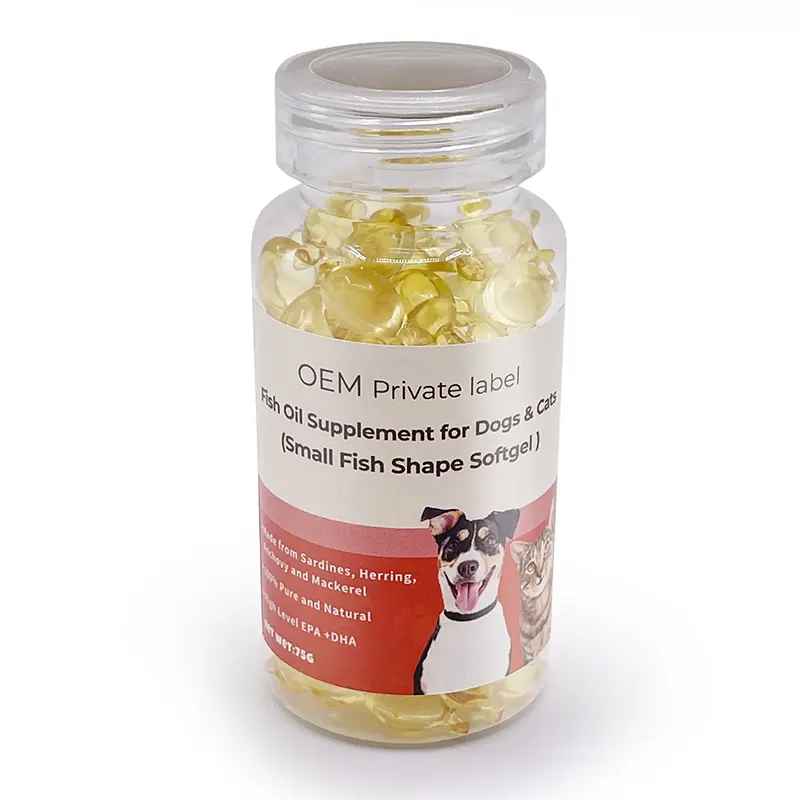
Liquid fish oil is often easier to dose accurately and mix into food, especially for smaller dogs. Soft gels can be convenient for larger dogs but may be harder to split into precise doses. Some pet owners prefer capsules they can puncture and squeeze directly onto kibble.
Finally, check the expiration date and store the oil properly. Fish oil can oxidize and go rancid, which not only reduces effectiveness but can also cause gastrointestinal issues. Keep it in a cool, dark place — preferably refrigerated after opening — and use it within the recommended timeframe.
Signs Your Dog Is Getting the Right Amount
When administered correctly, fish oil should produce noticeable improvements in your dog’s health within a few weeks. Look for these positive signs that the dosage is working well.
A shiny, soft coat is one of the earliest and most visible benefits. Dogs with dull, dry, or flaky skin often show improvement in coat quality after 4–6 weeks of consistent supplementation. Reduced shedding and less dander are also common.
For dogs with joint issues, you may notice increased mobility, less stiffness after rest, and a more active lifestyle. Older dogs on fish oil often show improved willingness to climb stairs, go for walks, or play.
Allergy-prone dogs may experience fewer itchy patches, less ear infections, and reduced need for antihistamines or steroid treatments. Fish oil’s anti-inflammatory effects can help calm overactive immune responses that lead to skin irritation.
Behavioral changes can also signal cognitive benefits. Senior dogs may appear more alert, responsive, and engaged. Puppies receiving DHA may show better focus and learning ability during training.
If you don’t see improvements after 6–8 weeks, reassess the dosage or product quality. It’s also possible your dog has an underlying condition that requires additional treatment beyond supplementation.
Potential Side Effects and Risks of Fish Oil for Dogs
While fish oil is generally safe, it’s not without risks — especially when given in excess or to dogs with certain health conditions. Being aware of potential side effects helps you use it responsibly.
The most common side effect is gastrointestinal upset, including diarrhea, vomiting, or greasy stools. This often occurs when the dose is too high or introduced too quickly. To minimize this, start with a small amount and gradually increase over 1–2 weeks.
Fish oil has natural blood-thinning properties due to its effect on platelet aggregation. While this can be beneficial for heart health, it may increase the risk of bleeding, especially in dogs undergoing surgery or taking anticoagulant medications like aspirin or clopidogrel.
Dogs with pancreatitis or a history of pancreatic issues should use fish oil with extreme caution. High-fat supplements can trigger inflammation in sensitive individuals. Always consult your vet before giving fish oil to a dog with a pancreatic condition.
Over-supplementation can lead to vitamin A or D toxicity if the fish oil is derived from liver sources (like cod liver oil). Most high-quality fish oils are made from body oil, not liver, but it’s important to verify this on the label.
Finally, some dogs may have an allergic reaction to fish, though this is rare. Signs include facial swelling, hives, or difficulty breathing. Discontinue use immediately and seek veterinary care if these symptoms appear.
When to Avoid Fish Oil or Consult a Veterinarian
Fish oil isn’t suitable for every dog. Certain medical conditions and life stages require special consideration before starting supplementation.
Dogs with known fish allergies should avoid fish oil entirely. While uncommon, allergic reactions can be severe. If your dog has reacted to fish in the past, choose an alternative omega-3 source like algal oil, which provides DHA without the risk of fish proteins.
Puppies under 6 months old typically don’t need supplemental fish oil if they’re eating a balanced, high-quality puppy food. Most commercial puppy diets already contain adequate DHA for brain and vision development. Adding extra may disrupt the nutritional balance.
Dogs with bleeding disorders, upcoming surgeries, or those on immunosuppressive drugs should only use fish oil under veterinary supervision. The anti-inflammatory and blood-thinning effects can interfere with treatment plans.
If your dog has kidney disease, your vet may recommend fish oil, but the dosage and type must be carefully managed. Some studies suggest omega-3s can slow kidney disease progression, but improper use may worsen protein loss in urine.
Always talk to your veterinarian before starting fish oil if your dog is on any medication, has a chronic illness, or is pregnant or nursing. Your vet can help determine the safest and most effective approach.
How to Administer Fish Oil to Your Dog
Giving fish oil doesn’t have to be a battle. With a few simple strategies, you can make supplementation easy and stress-free for both you and your dog.
The most common method is mixing liquid fish oil directly into your dog’s food. Most dogs tolerate the taste well, especially if it’s added to wet food or mixed with a small amount of broth. Start with a small amount to let your dog adjust.
For picky eaters, try freezing fish oil in ice cube trays or using flavored capsules designed for pets. Some brands offer fish oil in chewable treats, though these often contain lower concentrations of EPA and DHA.
If using capsules, you can puncture them with a pin or scissors and squeeze the oil onto kibble. This method works well for dogs who refuse to eat liquid supplements.
Consistency is key. Administer fish oil at the same time each day, ideally with a meal, to enhance absorption and reduce the risk of stomach upset. Missing doses occasionally is fine, but regular use delivers the best results.
Keep a supplement log to track dosage and any changes in your dog’s health. This helps you and your vet assess effectiveness and make adjustments as needed.
Key Takeaways
- Fish oil is beneficial for dogs due to its high content of EPA and DHA, which support skin, coat, joint, heart, and brain health.
- The recommended dosage is 20–50 mg of combined EPA and DHA per pound of body weight daily, adjusted for individual needs.
- Choose high-quality, third-party tested fish oil from reputable brands to ensure purity and potency.
- Start with a low dose and gradually increase to avoid digestive upset.
- Monitor your dog for positive changes like improved coat, reduced itching, and better mobility.
- Consult your veterinarian before starting fish oil, especially if your dog has health conditions or is on medication.
- Avoid fish oil in dogs with fish allergies or certain medical conditions like pancreatitis or bleeding disorders.
Frequently Asked Questions
Can I give my dog human fish oil?
It’s not recommended. Human fish oil supplements often contain higher concentrations of omega-3s and may include additives unsafe for dogs. Always use a product specifically formulated for pets or approved by your veterinarian.
How long does it take for fish oil to work in dogs?
Most dogs show noticeable improvements in coat and skin within 4–6 weeks. Joint and cognitive benefits may take 8–12 weeks to become apparent. Consistency is essential for seeing results.
Can fish oil cause diarrhea in dogs?
Yes, especially if given in excess or introduced too quickly. Start with a small dose and increase gradually. If diarrhea persists, reduce the amount or discontinue use and consult your vet.
Conclusion
Fish oil can be a valuable addition to your dog’s diet, offering a range of health benefits when used appropriately. The key is understanding how much to give, choosing a high-quality product, and monitoring your dog’s response. While it’s not a cure-all, fish oil supports long-term wellness in a natural, evidence-based way.
Always work with your veterinarian to determine the right dosage and ensure it fits into your dog’s overall health plan. With the right approach, fish oil can help your dog live a healthier, more comfortable, and vibrant life.