Natural Dental Care for Dogs Without Brushing
Keeping your dog’s teeth clean doesn’t have to mean daily brushing battles. Many pet owners struggle with getting their dogs to tolerate toothbrushes, especially older or anxious pups. The good news? You can maintain excellent oral health with natural dental care for dogs without brushing. From diet tweaks to chew-based solutions and herbal rinses, there are proven, vet-approved methods that support strong teeth and fresh breath—no toothpaste required.
This guide dives deep into science-backed, brush-free strategies that actually work. Whether your dog refuses the toothbrush or you’re looking for gentler alternatives, you’ll find practical, easy-to-implement solutions here. We’ll cover the best natural chews, dietary changes, water additives, and even DIY mouth rinses that help prevent plaque, tartar, and gum disease—all while keeping your pup happy and stress-free.
Why Brushing Isn’t the Only Answer for Dog Dental Health
Most vets recommend daily brushing as the gold standard for canine dental care. But let’s be honest—few pet parents stick to it consistently. Dogs often resist, squirm, or even snap when faced with a toothbrush. And for busy households or multi-dog families, brushing every single day quickly becomes unrealistic.
That’s where natural alternatives shine. Research shows that certain foods, chews, and supplements can significantly reduce plaque buildup and support gum health—without the struggle. These methods don’t replace veterinary cleanings, but they’re powerful preventive tools. In fact, the American Veterinary Dental College notes that mechanical action from chewing is one of the most effective ways to disrupt plaque formation.
Natural dental care for dogs without brushing focuses on mimicking what dogs do instinctively: gnawing, crunching, and tearing. By tapping into these behaviors, you give your dog a way to clean their own teeth while satisfying their need to chew. It’s a win-win that supports both oral hygiene and mental well-being.
Top Natural Chews That Clean Teeth Without Brushing
Chewing is nature’s toothbrush for dogs. The right kind of chew creates friction against teeth, scraping away soft plaque before it hardens into tartar. But not all chews are created equal. Soft treats or overly processed options may satisfy the urge to chew but do little for dental health.
Raw Bones: The Classic (and Controversial) Choice
Raw, meaty bones—like beef marrow bones or lamb necks—are favorites among holistic pet owners. As dogs gnaw and tear at the meat and cartilage, the abrasive action gently scrubs tooth surfaces. Plus, the saliva flow stimulated by chewing helps wash away food particles and bacteria.
However, safety is key. Always choose raw bones (never cooked, which can splinter), and supervise your dog closely. Avoid weight-bearing bones like femurs, which are too hard and can crack teeth. Opt for softer, non-weight-bearing options and remove the bone once the meat is gone to prevent choking hazards.
Bully Sticks and Tendons: Long-Lasting and Effective
Bully sticks—made from dried bull pizzle—are digestible, high-protein chews that many dogs love. Their fibrous texture provides excellent mechanical cleaning, especially along the gumline. Similarly, tendon chews like trachea or ear tendons offer a satisfying crunch that helps dislodge plaque.
Look for single-ingredient, USA-sourced options free from additives or preservatives. While these chews aren’t “raw,” they’re minimally processed and generally safe when given in moderation. Just monitor your dog to ensure they don’t swallow large pieces.
Dental Chews with Natural Ingredients
Not all commercial dental chews are junk. Some are formulated with natural enzymes, mint, parsley, or coconut oil to support oral health. Brands like Whimzies, VetIQ, and Earth Animal offer brush-free options that combine chewing action with breath-freshening ingredients.
Check labels carefully. Avoid products with artificial colors, BHA/BHT, or excessive sugar. The Veterinary Oral Health Council (VOHC) seal is a helpful indicator—it means the product has been tested and proven to reduce plaque or tartar.
Diet Matters: How Food Impacts Your Dog’s Dental Health
What your dog eats plays a huge role in their oral hygiene—even without brushing. Kibble is often touted as “dental-friendly,” but the truth is more nuanced. While dry food may cause slightly more chewing than wet food, most kibbles are too soft and crumble easily, failing to provide meaningful scrubbing action.
Raw and Fresh Diets: A Natural Approach
Raw feeding advocates argue that a species-appropriate diet—rich in raw meat, bones, and vegetables—naturally supports dental health. The act of tearing and chewing raw meat and cartilage provides constant mechanical cleaning. Additionally, raw diets tend to produce less sticky plaque than grain-heavy kibble.
If you’re considering a raw diet, consult your vet or a veterinary nutritionist. Balance is crucial to avoid nutritional deficiencies. And remember: raw feeding requires careful handling to prevent bacterial contamination.
Homemade Dental Diets with Crunchy Add-ons
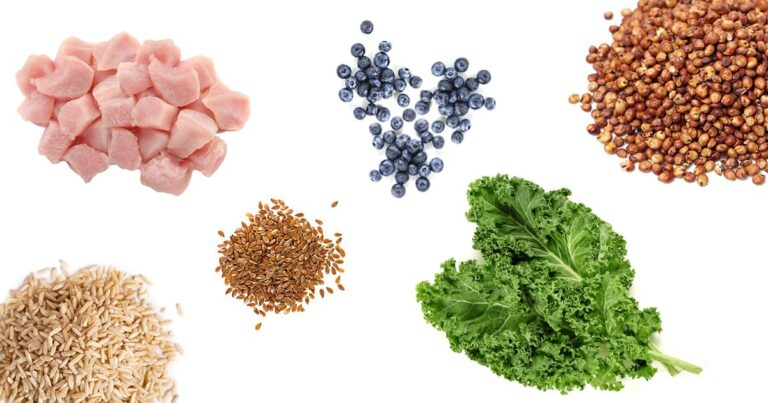
You don’t need to go fully raw to benefit from whole foods. Adding crunchy, fibrous vegetables like raw broccoli stems, carrots, or green beans to your dog’s meals can help scrub teeth. These veggies act like natural abrasives and are low in calories.
For extra support, consider incorporating dental-supporting supplements into meals. Coconut oil, for example, has antimicrobial properties that may reduce oral bacteria. Add a teaspoon (for medium dogs) to food a few times a week—just watch for digestive upset at first.
Avoiding Sugary and Starchy Foods
Just like in humans, sugar feeds harmful bacteria in a dog’s mouth. Many commercial treats contain corn syrup, molasses, or other sweeteners that contribute to plaque formation. Starchy foods like potatoes, rice, and grains can also stick to teeth and ferment, creating an acidic environment that erodes enamel.
Stick to whole, unprocessed ingredients whenever possible. If your dog loves treats, choose ones made with lean meats, pumpkin, or apple (without seeds). And always check treat labels—less is more when it comes to additives.
Water Additives and Oral Rinses: Effortless Daily Support
One of the easiest ways to support dental health without brushing is through water additives. These liquid formulas are poured directly into your dog’s drinking bowl and work continuously to reduce bacteria, freshen breath, and slow plaque buildup.
How Water Additives Work
Most natural water additives contain enzymes, chlorophyll, or herbal extracts like green tea or neem. These ingredients help break down biofilm—the sticky layer of bacteria that forms on teeth. Some also contain xylitol alternatives like erythritol, which inhibit bacterial growth without the toxicity risk.
Look for VOHC-approved or vet-recommended brands such as TropiClean, PetzLife, or Vet’s Best. Always follow dosage instructions based on your dog’s weight. Most additives are flavorless or mildly minty, so dogs don’t notice them in their water.
DIY Herbal Mouth Rinse (Safe for Dogs)
For a completely natural option, you can make a gentle mouth rinse at home. Steep 1 cup of boiling water over 1 tablespoon of dried parsley and 1 teaspoon of dried mint for 10 minutes. Let it cool completely, then strain.
Add 1–2 tablespoons of this herbal infusion to your dog’s water bowl daily. Parsley is rich in chlorophyll, a natural deodorizer, while mint soothes gums and freshens breath. Never use essential oils or alcohol-based mouthwashes—these are toxic to dogs.
This DIY rinse won’t replace mechanical cleaning, but it’s a helpful supplement that supports overall oral hygiene. Plus, it’s budget-friendly and free from synthetic chemicals.
Other Natural Strategies That Support Dental Health
Beyond chews, diet, and rinses, several other natural methods can enhance your dog’s oral care routine—without a toothbrush in sight.
Regular Gum Massage
Massaging your dog’s gums with your finger can stimulate blood flow and help loosen plaque. Use a clean finger wrapped in gauze or a soft cloth. Gently rub along the gumline in circular motions. Many dogs enjoy this as a bonding activity, and it’s especially useful for puppies or senior dogs who can’t chew hard items.
Start slowly and be gentle. If your dog shows signs of pain or sensitivity, stop and consult your vet—it could indicate gum disease or tooth decay.
Probiotics for Oral Health
Emerging research suggests that oral probiotics may help balance the mouth’s microbiome. Certain strains, like Lactobacillus reuteri and BLIS K12, have been shown to reduce harmful bacteria linked to bad breath and gingivitis.
Look for canine-specific probiotic supplements that include these strains. They often come in powder form and can be mixed into food. While not a standalone solution, probiotics complement other natural dental care methods by promoting a healthier oral environment.
Regular Vet Checkups and Professional Cleanings
Even with the best natural care, some tartar buildup is inevitable. That’s why regular veterinary dental exams are essential. Your vet can spot early signs of periodontal disease, tooth fractures, or oral tumors that you might miss at home.
Professional cleanings under anesthesia allow for thorough scaling and polishing—something no at-home method can replicate. Many vets now offer “anesthesia-free” cleanings, but these only clean the surface and don’t address subgingival plaque. For true dental health, periodic anesthetized cleanings are still the standard of care.
Signs Your Dog Needs Better Dental Care (Even Without Brushing)
How do you know if your brush-free routine is working? Watch for these common signs of dental trouble:
- Bad breath that persists despite natural remedies
- Yellow or brown tartar buildup on teeth, especially near the gumline
- Red, swollen, or bleeding gums
- Difficulty eating or dropping food while chewing
- Pawing at the mouth or reluctance to play with toys
- Loose or missing teeth
If you notice any of these symptoms, schedule a vet visit promptly. Untreated dental disease can lead to pain, tooth loss, and even systemic infections affecting the heart, liver, or kidneys.
The good news? Most dogs respond well to early intervention. And with consistent natural care, many never develop serious issues in the first place.
Key Takeaways: Your Brush-Free Dental Care Checklist
- Chew smart: Choose raw bones, bully sticks, or VOHC-approved dental chews for mechanical cleaning.
- Feed whole foods: Prioritize raw, fresh, or minimally processed diets with crunchy vegetables.
- Use water additives: Add natural enzymatic or herbal rinses to your dog’s drinking water daily.
- Massage gums: Gentle finger massages can support gum health and reduce plaque.
- Supplement wisely: Consider probiotics and coconut oil for added antimicrobial support.
- Visit the vet: Regular checkups and professional cleanings are non-negotiable for long-term health.
Frequently Asked Questions About Natural Dental Care for Dogs Without Brushing
Can my dog really have healthy teeth without ever brushing?
Yes—many dogs maintain good oral health through natural methods like appropriate chews, diet, and water additives. While brushing is ideal, it’s not the only path to clean teeth. Consistency with alternative strategies can yield excellent results, especially when combined with regular vet care.
Are raw bones safe for all dogs?
Raw bones can be safe for most healthy dogs when chosen carefully and supervised. Avoid cooked bones, weight-bearing bones, and give them only to dogs who chew—not gulp. Puppies, senior dogs, or those with dental issues should avoid hard bones. Always consult your vet first.
How often should I use water additives?
Most natural water additives are designed for daily use. Follow the product’s instructions based on your dog’s weight. For DIY herbal rinses, 3–5 times per week is sufficient. Consistency matters more than frequency—small, regular efforts add up over time.
Conclusion: A Happier, Healthier Mouth—No Toothbrush Required
You don’t need a toothbrush to give your dog a healthy smile. With the right combination of natural chews, whole-food nutrition, water additives, and regular vet visits, you can effectively support your dog’s dental health—without the daily struggle.
Natural dental care for dogs without brushing isn’t just a workaround; it’s a sustainable, stress-free approach that works with your dog’s instincts. By focusing on prevention, enrichment, and gentle daily habits, you’re not only protecting their teeth—you’re improving their overall quality of life.
Start small. Pick one or two methods from this guide and build from there. Your dog’s breath—and their happiness—will thank you.