Signs Your Dog Needs More Omega 3 in Diet
Is your dog scratching more than usual? Do you notice dry, flaky skin or a dull coat that’s lost its shine? These could be early warning signs your dog needs more omega 3 in diet. Omega-3 fatty acids—especially EPA and DHA—are essential nutrients that support skin health, joint function, brain development, and immune response in dogs. Yet, many commercial pet foods fall short of providing optimal levels. If your furry friend is showing subtle or overt symptoms of deficiency, it’s time to assess their nutritional intake. This article dives deep into the telltale signs your dog may be lacking omega-3s and how to address it effectively.
Why Omega 3 Is Critical for Your Dog’s Health
Omega-3 fatty acids are not just trendy supplements—they’re vital components of your dog’s cellular structure. Unlike humans, dogs cannot efficiently convert plant-based omega-3s (like ALA from flaxseed) into the active forms they need: eicosapentaenoic acid (EPA) and docosahexaenoic acid (DHA). These long-chain fatty acids are primarily found in marine sources like fish oil and algae oil.
EPA helps reduce inflammation throughout the body, which is especially beneficial for dogs with arthritis, allergies, or chronic skin conditions. DHA supports cognitive function, making it crucial for puppies in developmental stages and senior dogs experiencing cognitive decline. Together, they promote heart health, improve coat quality, and strengthen the immune system.
Despite their importance, omega-3s are often underrepresented in standard kibble diets. Most dog foods are formulated with high levels of omega-6 fatty acids (from poultry fat, corn oil, or soybean oil), which can tip the balance toward inflammation if not counteracted by sufficient omega-3s. The ideal omega-6 to omega-3 ratio in canine nutrition is between 5:1 and 10:1, but many commercial diets exceed 20:1—creating a pro-inflammatory environment.
Dull, Dry, or Flaky Skin
One of the most visible signs your dog needs more omega 3 in diet is poor skin condition. Healthy dog skin should feel supple and smooth to the touch, with minimal flaking. When omega-3 levels are low, the skin barrier becomes compromised, leading to dryness, irritation, and increased susceptibility to infections.
You might notice your dog’s coat looking lackluster—lacking the natural luster and softness that comes from well-nourished skin. In some cases, the skin may appear red or inflamed, especially around the paws, belly, or ears. This is often mistaken for seasonal dryness, but it can persist year-round if the underlying nutritional deficiency isn’t addressed.
Omega-3s help regulate sebum production, the natural oil that keeps skin moisturized. Without enough EPA and DHA, this process falters, leading to excessive dryness and flaking. Over time, this can contribute to secondary issues like hot spots or bacterial overgrowth.
Excessive Scratching and Itching
Frequent scratching, licking, or chewing at the skin is another strong indicator of omega-3 deficiency. While allergies (environmental or food-related) are common culprits, many dogs with chronic itchiness actually have an underlying imbalance in their fatty acid profile.
Omega-3s play a key role in modulating the body’s inflammatory response. When levels are low, even minor irritants—like pollen, dust mites, or certain proteins in food—can trigger an exaggerated immune reaction, resulting in intense itching. This creates a vicious cycle: the dog scratches, which damages the skin barrier, which leads to more inflammation and more itching.
Pet owners often resort to antihistamines or steroids to manage the symptoms, but these only mask the problem. Supplementing with high-quality omega-3s can address the root cause by calming the immune system and restoring skin integrity. Many veterinarians recommend omega-3 supplementation as a first-line approach for dogs with mild to moderate allergic dermatitis.
Coat That’s Thin, Brittle, or Slow to Grow
A healthy dog coat should be thick, shiny, and resilient. If your dog’s fur looks patchy, brittle, or takes unusually long to regrow after grooming or shedding, it may signal a nutritional shortfall—particularly in omega-3 fatty acids.
Hair follicles require a steady supply of essential fatty acids to function properly. DHA, in particular, supports the structural integrity of hair shafts and promotes healthy follicle development. Without it, hair becomes weak and prone to breakage.
You might also notice increased shedding beyond the normal seasonal patterns. While some shedding is natural, excessive hair loss—especially accompanied by dry skin or dandruff—should prompt a closer look at your dog’s diet. Omega-3 supplementation has been shown in clinical studies to improve coat density and reduce shedding in as little as 6–8 weeks.
Joint Stiffness or Mobility Issues
Joint discomfort is common in older dogs, but it’s not just a matter of aging—it’s often linked to chronic inflammation. Omega-3s, especially EPA, have potent anti-inflammatory properties that can help ease stiffness, improve mobility, and slow the progression of degenerative joint diseases like osteoarthritis.
Dogs with low omega-3 levels may show reluctance to climb stairs, difficulty rising after rest, or a noticeable limp after exercise. These signs are often mistaken for normal aging, but they can be significantly improved with proper nutrition.
Unlike NSAIDs (non-steroidal anti-inflammatory drugs), which carry risks of liver and kidney damage with long-term use, omega-3s offer a safer, natural alternative for managing joint pain. Many veterinarians now recommend omega-3 supplementation as part of a multimodal approach to canine arthritis, alongside weight management and physical therapy.
Ear Infections and Skin Infections
Recurrent ear infections or skin infections (such as pyoderma) can be another hidden sign your dog needs more omega 3 in diet. These infections often stem from a weakened immune system or compromised skin barrier—both of which are influenced by fatty acid balance.
Omega-3s support immune cell function and help maintain the integrity of mucous membranes, including those in the ears and skin. When levels are inadequate, pathogens like yeast (Malassezia) or bacteria (Staphylococcus) can overgrow, leading to chronic infections.
Dogs with floppy ears or those prone to swimming are especially vulnerable. If your dog frequently shakes their head, scratches their ears, or has a foul odor from the ears, consider evaluating their omega-3 intake. Supplementing with fish oil has been shown to reduce the frequency and severity of ear infections in clinical trials.
Cognitive Decline in Senior Dogs
As dogs age, they may experience cognitive dysfunction syndrome (CDS), often referred to as “doggy dementia.” Symptoms include disorientation, changes in sleep patterns, reduced interaction with family members, and house soiling.
DHA is a major structural component of brain tissue and plays a critical role in maintaining neuronal health. Studies have shown that senior dogs supplemented with DHA-rich omega-3s exhibit improved learning ability, memory retention, and overall cognitive performance.
If your older dog seems confused, forgets previously learned commands, or wanders aimlessly at night, it’s worth considering their omega-3 status. Early intervention with high-quality supplements can slow cognitive decline and improve quality of life.
Slow Wound Healing
The body’s ability to heal wounds depends on a balanced inflammatory response. Omega-3s help regulate this process by reducing excessive inflammation while still supporting tissue repair.
Dogs with low omega-3 levels may take longer to recover from injuries, surgeries, or even minor cuts and scrapes. Their wounds might appear red, swollen, or ooze more than usual, indicating an imbalance in the healing cascade.
Supplementing with omega-3s can accelerate healing by promoting the production of specialized pro-resolving mediators (SPMs)—compounds that actively resolve inflammation and support tissue regeneration. This makes omega-3s particularly valuable for post-surgical recovery or dogs with chronic skin conditions.
Increased Allergic Reactions
Allergies in dogs—whether food-based, environmental, or flea-related—are often rooted in an overactive immune system. Omega-3s help modulate immune responses, reducing the likelihood of exaggerated reactions to common allergens.
If your dog has developed new sensitivities or their existing allergies seem to be worsening, it could be due to an omega-3 deficiency. Many pet owners report fewer flare-ups and reduced reliance on medications after introducing omega-3 supplements into their dog’s routine.
It’s important to note that omega-3s are not a cure for allergies, but they can significantly reduce symptom severity and improve overall tolerance. For best results, choose a high-EPA fish oil and allow 8–12 weeks for full benefits to manifest.
Behavioral Changes and Mood Swings
Emerging research suggests a link between omega-3 status and canine behavior. Dogs with low levels of DHA may exhibit increased anxiety, hyperactivity, or aggression. This is because DHA influences neurotransmitter function and brain cell communication.
While behavioral issues are multifactorial, nutritional deficiencies should not be overlooked. Some studies have shown that dogs supplemented with omega-3s display calmer behavior, improved focus, and reduced stress responses.
If your dog has become unusually reactive, restless, or withdrawn, consider evaluating their diet. Omega-3s may not solve all behavioral problems, but they can be a valuable part of a holistic approach that includes training, environmental enrichment, and veterinary guidance.
How to Choose the Right Omega-3 Supplement
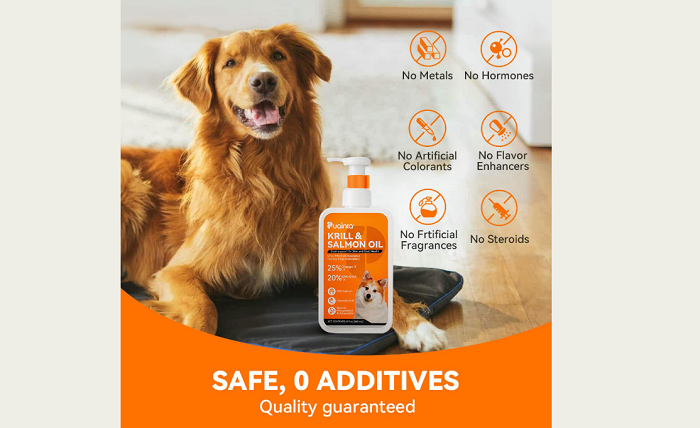
Not all omega-3 supplements are created equal. When selecting a product for your dog, prioritize purity, potency, and bioavailability. Look for supplements derived from wild-caught, cold-water fish like salmon, sardines, or anchovies. Avoid those containing fillers, artificial preservatives, or excessive omega-6s.
The label should clearly state the amounts of EPA and DHA per serving. A general guideline is to provide 20–50 mg of combined EPA and DHA per pound of body weight daily. For example, a 50-pound dog would need 1,000–2,500 mg per day.
Liquid fish oil is often preferred over capsules because it’s easier to dose and absorb. Always store omega-3 supplements in a cool, dark place to prevent oxidation, which can render them ineffective or even harmful.
Consult your veterinarian before starting any new supplement, especially if your dog has a pre-existing condition or is on medication. Some drugs, like blood thinners, can interact with high doses of omega-3s.
Foods Rich in Omega-3 for Dogs
While supplements are the most reliable way to ensure adequate intake, you can also incorporate omega-3-rich foods into your dog’s diet. Fresh, cooked salmon (with bones removed) is an excellent source of EPA and DHA. Sardines and mackerel are also great options, provided they’re low in mercury and served in moderation.
Plant-based sources like flaxseed, chia seeds, and hemp seeds contain ALA, but as mentioned earlier, dogs convert ALA to EPA and DHA very inefficiently. These can be included as part of a balanced diet but should not be relied upon as the primary source of omega-3s.
Some high-quality commercial dog foods now include added fish oil or algae oil. Check the ingredient list and guaranteed analysis to confirm the levels of EPA and DHA. Avoid products that list “fish oil” without specifying the fatty acid content.
How Long Until You See Results?
Patience is key when introducing omega-3s. Most dogs begin to show improvements in skin and coat health within 4–6 weeks. Joint mobility and cognitive function may take longer—up to 8–12 weeks—to show noticeable changes.
Consistency is crucial. Omega-3s work cumulatively, meaning their benefits build over time. Skipping doses or using low-quality products will delay results and may lead to frustration.
Keep a journal to track your dog’s progress. Note changes in scratching frequency, coat shine, energy levels, and overall demeanor. This will help you and your vet determine if the current dosage is effective or needs adjustment.
Key Takeaways
- Dry, flaky skin and a dull coat are common signs your dog needs more omega 3 in diet.
- Excessive scratching, ear infections, and slow wound healing may indicate an omega-3 deficiency.
- Omega-3s support joint health, cognitive function, and immune regulation in dogs.
- Choose high-quality fish oil with clear EPA and DHA content for best results.
- Supplementation should be consistent and monitored over 8–12 weeks for full benefits.
FAQ
Can I give my dog human fish oil?
It’s not recommended. Human fish oil supplements often contain higher concentrations of EPA and DHA than necessary for dogs and may include additives like vitamin A or D that can be toxic in large amounts. Always use a pet-specific formula designed for canine physiology.
How much omega-3 should I give my dog?
The dosage depends on your dog’s weight, health status, and the concentration of the supplement. A general rule is 20–50 mg of combined EPA and DHA per pound of body weight daily. For example, a 40-pound dog would need 800–2,000 mg per day. Consult your vet for personalized advice.
Are there side effects of too much omega-3?
While omega-3s are generally safe, excessive doses can lead to gastrointestinal upset (diarrhea, vomiting) or increased bleeding risk, especially in dogs on blood-thinning medications. Stick to recommended dosages and monitor your dog closely when starting supplementation.
Conclusion
Recognizing the signs your dog needs more omega 3 in diet is the first step toward improving their overall health and well-being. From skin and coat issues to joint stiffness and behavioral changes, omega-3 deficiency can manifest in numerous ways. By addressing this nutritional gap with high-quality supplements or omega-3-rich foods, you can support your dog’s long-term vitality.
Always work with your veterinarian to determine the best approach for your pet’s individual needs. With consistent care and attention to nutrition, your dog can enjoy a shinier coat, healthier skin, better mobility, and a happier, more comfortable life.