How to Use Manuka Honey on Dog Wounds: A Complete Guide for Pet Owners
Is your dog dealing with a cut, scrape, or slow-healing wound? You might be surprised to learn that how to use manuka honey on dog wounds is one of the most effective natural remedies veterinarians and pet owners are turning to. Known for its powerful antibacterial and healing properties, medical-grade manuka honey can accelerate recovery, reduce infection risk, and soothe irritated skin—all without harsh chemicals.
This comprehensive guide walks you through everything you need to know about safely and effectively applying manuka honey to your dog’s wounds. From understanding what makes this honey special to step-by-step application instructions, we’ll cover the science, safety tips, and real-world best practices so you can support your pet’s healing at home.
What Is Manuka Honey and Why Is It Effective for Dog Wounds?
Manuka honey comes from the nectar of the manuka bush (Leptospermum scoparium), native to New Zealand. Unlike regular honey, it contains high levels of methylglyoxal (MGO), a compound responsible for its strong antimicrobial activity. This unique property makes it especially effective against bacteria like Staphylococcus aureus and E. coli—common culprits in infected dog wounds.
Veterinary studies have shown that manuka honey promotes wound healing by maintaining a moist environment, reducing inflammation, and stimulating tissue regeneration. It also forms a protective barrier over the wound, shielding it from dirt and bacteria while allowing oxygen to reach the skin.
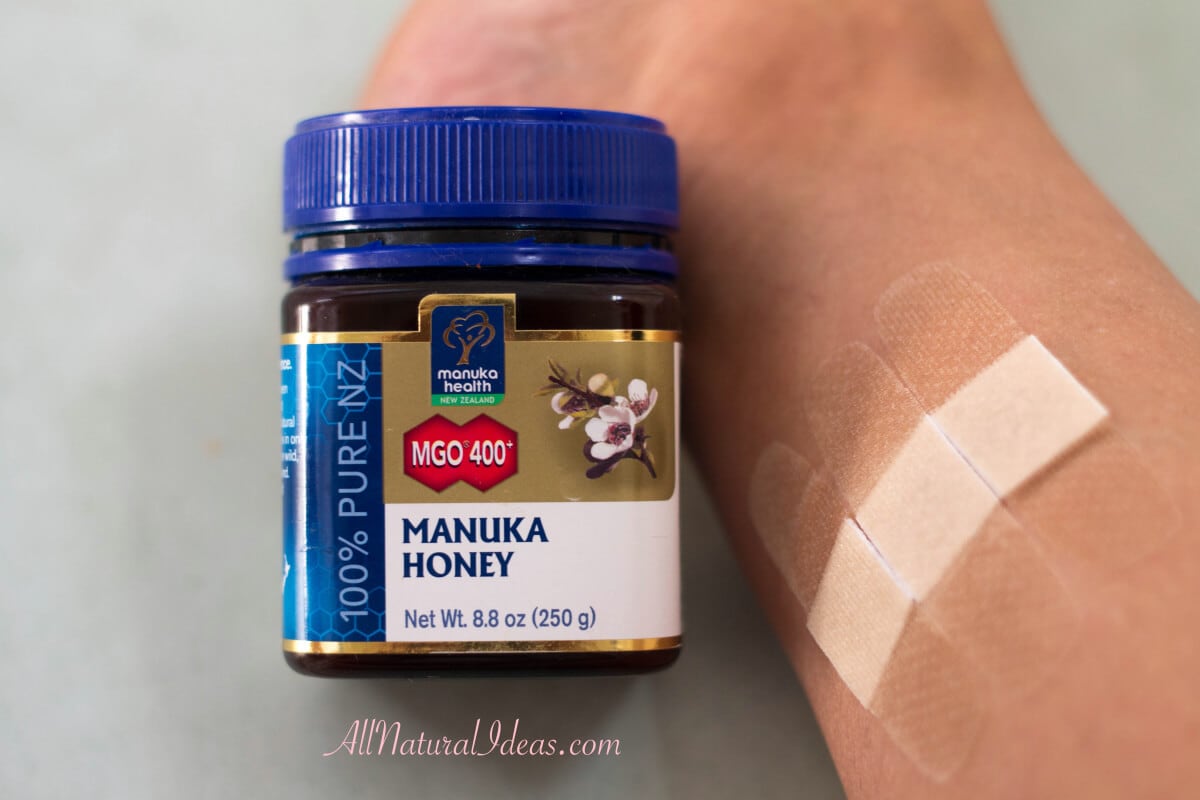
Not all manuka honey is created equal. For medical use, look for products labeled with a UMF (Unique Manuka Factor) rating of 10+ or an MGO rating of 250+. These ratings indicate sufficient antibacterial strength for therapeutic applications. Always choose raw, unpasteurized, medical-grade manuka honey—never the processed kind found in grocery stores.
When Should You Use Manuka Honey on Dog Wounds?
Manuka honey is ideal for treating a variety of minor to moderate skin injuries in dogs. It works well on superficial cuts, abrasions, hot spots, surgical incision sites (once cleared by your vet), and even minor burns. It’s particularly useful for wounds that are slow to heal or show early signs of infection, such as redness, swelling, or mild discharge.
However, it’s not suitable for deep puncture wounds, severe lacerations, or wounds near the eyes, mouth, or genitals. In these cases, immediate veterinary attention is essential. Manuka honey should complement—not replace—professional care when serious injury is involved.
If your dog has diabetes or a compromised immune system, consult your veterinarian before using any topical treatment, including manuka honey. While generally safe, individual health conditions may affect how your pet responds to natural remedies.
Signs Your Dog’s Wound May Benefit from Manuka Honey
- Minor cuts or scrapes that aren’t bleeding heavily
- Hot spots (acute moist dermatitis) that are oozing or inflamed
- Post-surgical wounds during the healing phase (with vet approval)
- Chronic skin ulcers or non-healing lesions
- Mild burns from heat or chemicals (after initial cooling and cleaning)
How to Safely Apply Manuka Honey to Your Dog’s Wound
Using manuka honey correctly is key to maximizing its benefits and avoiding complications. Follow these steps for safe and effective application:
Step 1: Clean the Wound Thoroughly
Before applying honey, gently clean the affected area with lukewarm water and a mild, pet-safe antiseptic solution. Avoid hydrogen peroxide or alcohol, as these can damage healthy tissue and delay healing. Use a clean cloth or gauze to remove debris, dried blood, or discharge.
If the wound is hairy, carefully trim the surrounding fur with blunt-tipped scissors to prevent contamination and make application easier. Never shave the area aggressively, as this can irritate the skin further.
Step 2: Dry the Area Gently
Pat the wound and surrounding skin dry with a clean towel. Moisture can dilute the honey and reduce its effectiveness. Ensure the area is completely dry before proceeding.
Step 3: Apply a Thin Layer of Manuka Honey
Using a sterile cotton swab or gloved finger, apply a thin, even layer of medical-grade manuka honey directly onto the wound. Cover the entire affected area, including a small margin of healthy skin around the edges. A little goes a long way—too much honey can attract dirt and make cleanup difficult.
For deeper wounds or cavities, you can pack a small amount of honey into the wound bed using a sterile applicator. Avoid over-packing, as this may hinder drainage.
Step 4: Cover the Wound (If Necessary)
Depending on the location and your dog’s behavior, you may need to cover the wound with a non-stick gauze pad and secure it with a light bandage. This prevents licking, scratching, or contamination. However, avoid tight wraps that restrict circulation.
For wounds on paws, legs, or areas hard to bandage, consider using a protective cone (Elizabethan collar) to stop your dog from interfering with the treatment.
Step 5: Reapply Regularly
Manuka honey should be reapplied every 12 to 24 hours, depending on the wound’s condition. For heavily exuding wounds, you may need to change the dressing more frequently. Always clean the area gently before each new application.
Monitor the wound closely for signs of improvement, such as reduced redness, less swelling, and new tissue growth. If there’s no progress after 3–5 days, or if symptoms worsen, seek veterinary advice immediately.
Safety Tips and Precautions When Using Manuka Honey on Dogs
While manuka honey is natural and generally safe, there are important precautions to keep in mind:
Never use manuka honey on open, deep, or heavily bleeding wounds without veterinary guidance. It’s best suited for clean, superficial injuries.
Avoid letting your dog lick the honey. While small amounts are not toxic, excessive ingestion can lead to digestive upset or, in rare cases, botulism—especially in puppies or immunocompromised dogs. Use an Elizabethan collar if necessary.
Do not use manuka honey on wounds caused by animal bites unless directed by a vet. These injuries carry a high risk of infection and often require antibiotics.
Always store manuka honey in a cool, dry place and check the expiration date. Expired or improperly stored honey may lose its potency or become contaminated.
What to Look for When Buying Manuka Honey for Dogs
Not all manuka honey is appropriate for wound care. To ensure you’re getting a product that’s safe and effective, pay attention to these key factors:
- UMF or MGO Rating: Choose a product with a UMF of 10+ or MGO of 250+. Higher ratings (e.g., UMF 15+ or MGO 500+) offer stronger antibacterial action.
- Medical-Grade Labeling: Look for honey specifically labeled for medicinal or wound care use. Cosmetic or food-grade honey may not meet the same purity standards.
- Raw and Unfiltered: Processed honey loses many of its beneficial enzymes and compounds. Raw honey retains its natural healing properties.
- Reputable Brand: Purchase from trusted suppliers with transparent sourcing and third-party testing. Avoid counterfeit products, which are common in the manuka honey market.
Popular veterinary-recommended brands include Manuka Health, Comvita, and Wedderspoon. Always read labels carefully and avoid products with added sugars, preservatives, or artificial ingredients.
Real-World Success: How Manuka Honey Helps Dogs Heal
Many pet owners and veterinarians have reported remarkable results using manuka honey on dog wounds. One case involved a Labrador with a persistent hot spot that resisted conventional treatments. After switching to daily manuka honey applications, the lesion began to dry and heal within a week.
Another example is a senior dog recovering from surgery. The vet recommended manuka honey to support incision healing and prevent infection. The owner applied it twice daily, and the wound closed cleanly without complications.
These outcomes are supported by scientific research. A 2020 study published in Veterinary Sciences found that manuka honey significantly reduced bacterial load and improved healing time in canine skin wounds compared to standard treatments.
While results can vary based on the wound type and individual dog, manuka honey consistently ranks as a gentle, effective, and affordable option for at-home wound care.
Alternatives and Complementary Treatments
While manuka honey is highly effective, it’s not the only tool in your pet care arsenal. Some owners combine it with other natural remedies for enhanced results:
Chlorhexidine solution can be used for initial wound cleaning, followed by manuka honey application. This two-step approach ensures thorough disinfection before promoting healing.
Colloidal silver is another antimicrobial option, though it lacks the tissue-regenerating properties of manuka honey. Use with caution and only under veterinary supervision.
For inflamed or itchy wounds, aloe vera gel (pet-safe, without alcohol) can soothe the skin when applied after honey. Always patch-test first to rule out allergic reactions.
Never mix multiple topical treatments without consulting your vet. Overloading the wound with different products can interfere with healing or cause irritation.
Key Takeaways: Using Manuka Honey on Dog Wounds
- Manuka honey is a scientifically backed, natural remedy for minor dog wounds due to its antibacterial and healing properties.
- Only use medical-grade manuka honey with a UMF 10+ or MGO 250+ rating for best results.
- Clean the wound thoroughly before applying a thin layer of honey, and reapply every 12–24 hours.
- Protect the area from licking with a bandage or cone, and monitor for signs of infection or improvement.
- Always consult your veterinarian for deep, infected, or non-healing wounds—manuka honey is not a substitute for professional care.
FAQ: Common Questions About Manuka Honey and Dog Wounds
Can I use regular honey instead of manuka honey on my dog’s wound?
Regular honey has some antibacterial properties, but it lacks the high levels of methylglyoxal found in manuka honey. For wound care, manuka honey is significantly more effective. Always choose medical-grade manuka honey for optimal results.
Is manuka honey safe if my dog licks it?
Small amounts are generally not harmful, but frequent licking can delay healing and introduce bacteria. Use an Elizabethan collar or bandage to prevent access. Puppies and dogs with weakened immune systems should avoid ingestion due to the rare risk of botulism.
How long does it take for manuka honey to work on a dog’s wound?
Improvement is often seen within 2–3 days, with reduced redness, swelling, and discharge. Full healing depends on the wound’s severity, but many minor injuries heal completely within 1–2 weeks with consistent treatment.
Conclusion: A Natural, Trusted Solution for Dog Wound Care
Learning how to use manuka honey on dog wounds empowers you to support your pet’s recovery with a safe, natural, and scientifically supported remedy. Its unique ability to fight infection, reduce inflammation, and promote tissue repair makes it a valuable addition to any pet first-aid kit.
Remember, while manuka honey is highly effective for minor injuries, it’s not a cure-all. Always assess the severity of your dog’s wound and consult your veterinarian when in doubt. With proper use, manuka honey can help your furry friend heal faster, feel more comfortable, and get back to their happy, active self.
Ready to give it a try? Choose a high-quality medical-grade manuka honey, follow the steps outlined above, and watch your dog’s wound heal naturally—one soothing application at a time.